ERP Built for Saudi Businesses

Request a demo
Request a demo

7 Best CRM Software for Small Business Sales in Saudi Arabia (2026)

7 Best CRM Software for Small Business Sales in Saudi Arabia (2026)

Published By

Mohammed Ali Khan
sales
Apr 17, 2026

Is your small business losing sales simply because leads are slipping through the cracks?

According to the Mastercard SME Confidence Index 2025, 97% of Saudi SMEs now recognize that better data and analytics are critical to strengthening their businesses. Yet most are still tracking leads in WhatsApp chats, spreadsheets, or even sticky notes.

The result? Missed follow-ups, no visibility into your pipeline, and a sales team that cannot scale. For a growing business in Saudi Arabia, it is costing you money. 

With Vision 2030 pushing digital adoption and 99% of Saudi SMEs now accepting digital payments (up from 88% in 2023), customer expectations have changed. So, your sales process needs to keep up.

This blog explores the top CRM for small business sales in KSA in 2026, what makes each one tick, and most importantly, which one actually fits the needs of Saudi businesses.

Key Takeaways

  • CRM software is no longer optional for small businesses in Saudi Arabia. It's a growth necessity, especially as Vision 2030 drives digital transformation across industries.
  • Most global CRM tools are powerful but lack Arabic language support, ZATCA compliance, and local integration, creating friction for KSA-based teams.
  • HAL ERP stands out as the only CRM + ERP solution purpose-built for KSA SMEs, with built-in ZATCA compliance, WhatsApp CRM, Arabic support, and industry-specific workflows for contracting, retail, manufacturing, and services.
  • The best sales CRM for a small business in Saudi Arabia is one that connects your entire sales pipeline to your operations, not just a standalone contact tool.
  • Pricing, ease of use, Arabic interface, and local compliance are the top four factors KSA SMEs should prioritize when choosing a sales CRM in 2026.

Why CRM Is Important for Small Business Sales in Saudi Arabia

Saudi Arabia's SME are going to contribute 20% to 30% to the GDP by 2030. Also, with growing digital commerce, the pressure to manage customer relationships efficiently has never been higher.

Here is why a dedicated CRM is essential for KSA small businesses right now:

  • Sales visibility you cannot fake: Without a CRM, there is no reliable way to track where every lead is in your pipeline. Deals get forgotten. Opportunities get lost.
  • Speed matters in competitive markets: In sectors like contracting and trading, the first business to follow up usually wins. A CRM automates that follow-up so nothing is missed.
  • ZATCA compliance is now table stakes: As Saudi Arabia enforces e-invoicing across SMEs, your CRM must connect cleanly to your invoicing and finance workflow, or you face compliance gaps.
  • Data over guesswork: CEOs and CFOs of small businesses need real-time sales data to make confident decisions. A CRM gives you that dashboard.
  • Vision 2030 is raising the bar: Saudi customers expect professional, personalized experiences. A CRM helps even a 10-person sales team deliver that consistently.
  • Arabic-first workflows: Many global CRMs are not designed for bilingual or Arabic-only teams. Local CRMs with Arabic support reduce onboarding friction significantly.
  • Scale without chaos: As your SME grows from 10 to 50 employees, your sales process must scale with it. A good CRM is the infrastructure that makes that possible.

A CRM is not just a software tool. For KSA small businesses, it is the bridge between your current chaos and your next stage of growth.

Also Read: 13 Reasons Your Sales Will Skyrocket With the Right CRM

Now that you understand why CRM matters, let's look at which tools actually work best for small businesses in Saudi Arabia today.

Top 7 CRM Software for Small Business Sales in Saudi Arabia in 2026

Not all CRMs are created equal, especially when your business operates in Saudi Arabia. We evaluated each tool on features, pricing, ease of use, and KSA-specific fit. Here is what you need to know.
1. HAL ERP

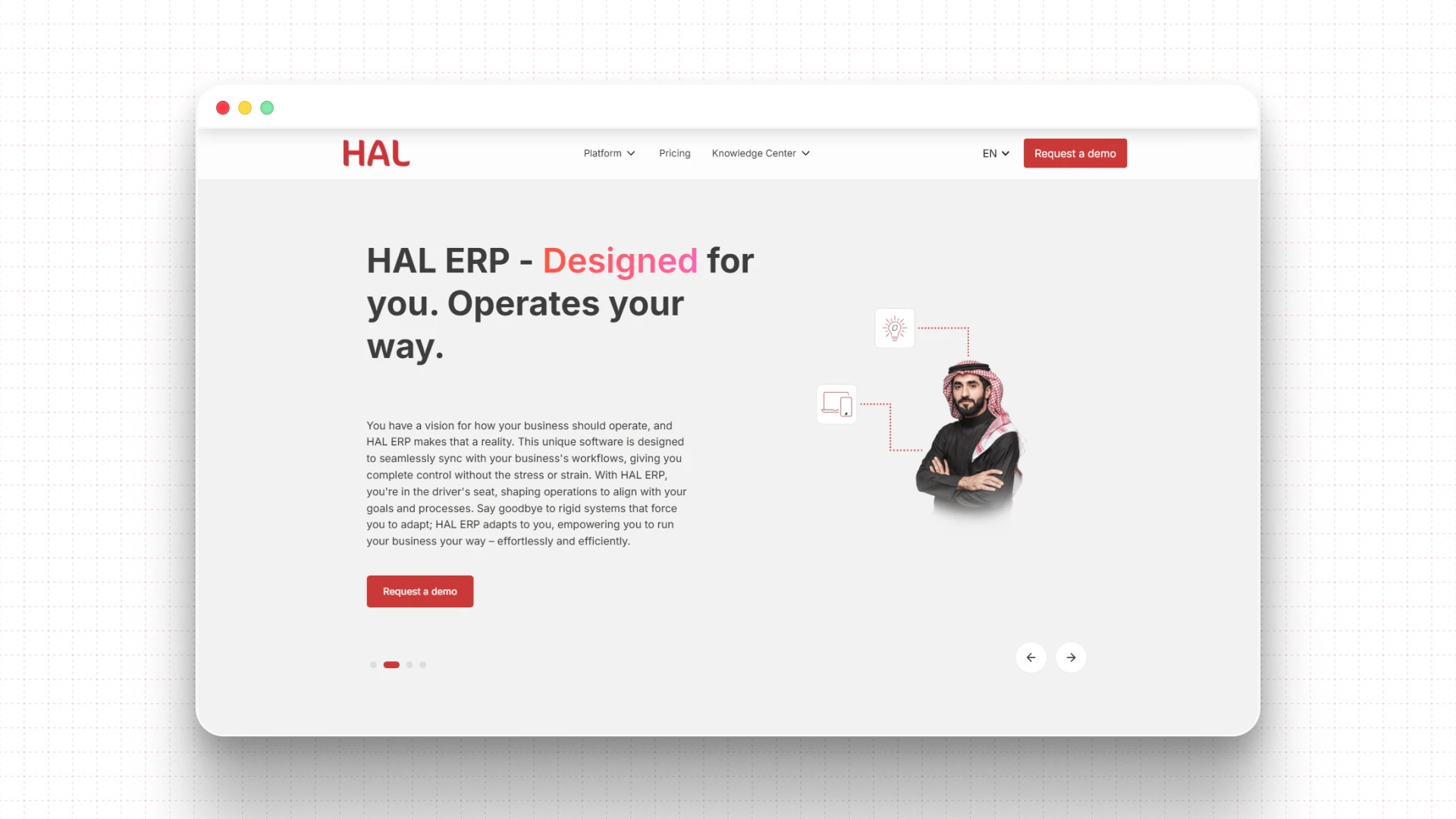
HAL ERP

Best For: Small and mid-sized businesses in contracting, retail, manufacturing, trading, and services across KSA

HAL ERP is not a standalone CRM. It is a full business management platform built specifically for Saudi Arabia. Its CRM module is deeply integrated with sales, procurement, HR, finance, and operations, so your entire revenue cycle is connected in one place.

What It Does Well:

  • End-to-end sales pipeline management linked to quotations, invoices, and delivery.
  • With WhatsApp-based CRM (via Hala AI), your team can manage leads, get updates, and share reports directly on WhatsApp.
  • Arabic and English bilingual interface with full compliance with ZATCA e-invoicing.
  • Industry-specific modules: contracting project costing, retail POS, manufacturing work orders, and service timesheets, all feeding into your CRM data.
  • Real-time dashboards for CEOs and CFOs with sales, pipeline, and profitability in one view.
  • Cloud-hosted with data residency in Saudi Arabia, SAMA-compliant.

Pricing:

  • Gold Plan: SAR 1,999 per user/year (accounting + sales + procurement)
  • Platinum Plan: SAR 4,999 per user/year (full suite including CRM, HR, project management)
  • Enterprise: Custom pricing

Here’s a case study that could show you how HAL can help:

HAL Case Study: Masaahaat, 10x ROI with Integrated CRM and Sales Automation

Masaahaat, a leading Saudi marketing agency managing 500+ FMCG events, was struggling with disconnected systems, manual invoicing, and no visibility into quotation conversion rates. Their sales team had no idea which leads were progressing or why deals were being lost.

After implementing HAL ERP, the company automated quotations, invoicing, and financial postings, all feeding into a unified CRM dashboard. Real-time data gave their leadership team instant visibility into pipeline health and vendor payments.

Results: 

  • Over 40 million SAR saved through automation
  • A 10x return on investment, with faster collections and stronger vendor relationships.

HAL is the only CRM in KSA that connects your sales pipeline directly to ZATCA-compliant invoicing, WhatsApp communication, and full ERP operations.

Book a Demo

2. HubSpot CRM

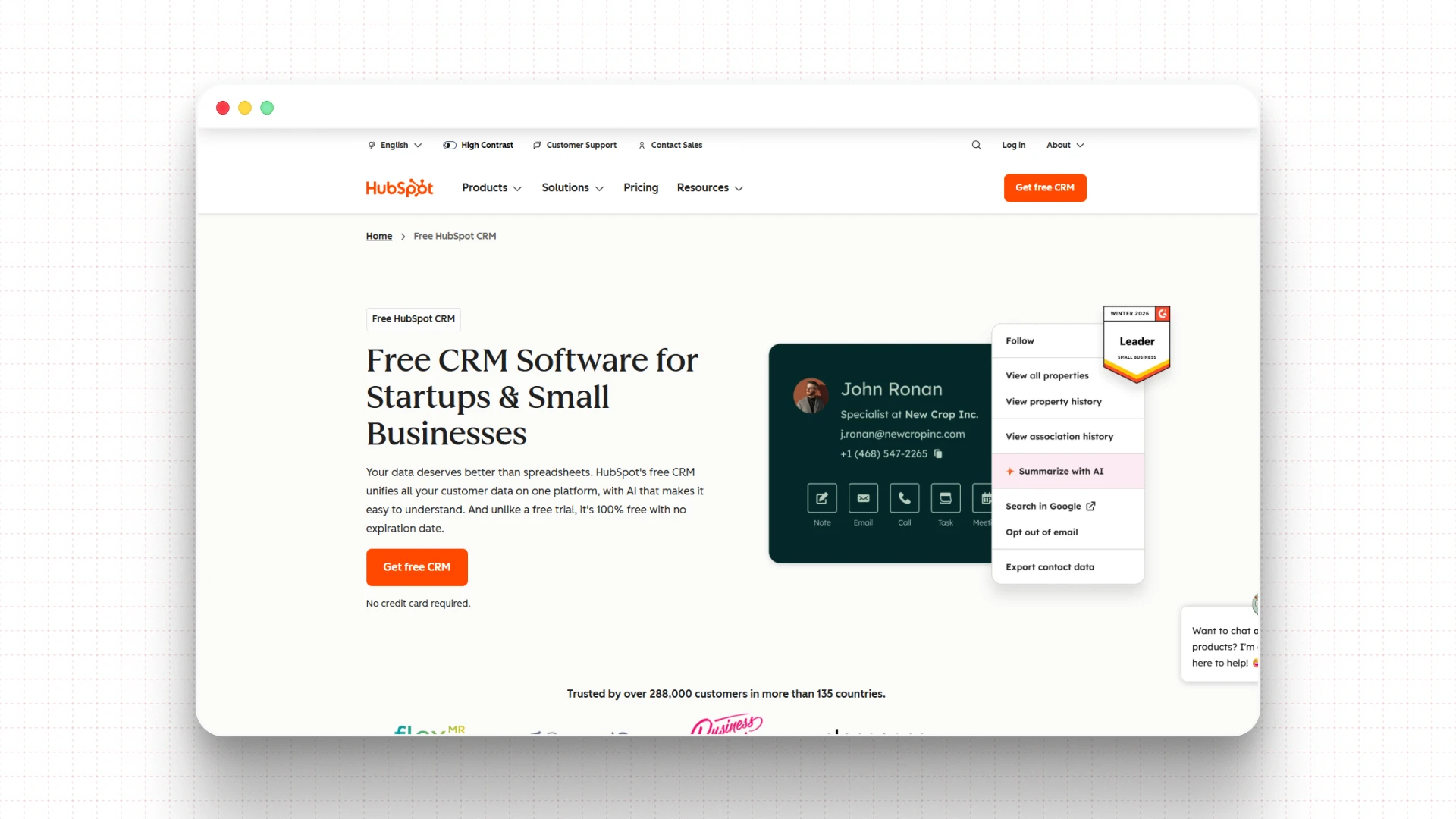
HubSpot CRM

Source Link

Best For: Small teams with a strong inbound marketing focus and English-speaking operations

HubSpot CRM is one of the most popular entry-level CRMs globally. Its free tier is genuinely functional, making it attractive for startups and small businesses testing the water.

What It Does Well:

  • Clean, intuitive UI that sales teams adopt quickly.
  • Strong email marketing and lead nurturing tools.
  • Free core CRM with paid upgrades for automation and reporting.
  • Large ecosystem of integrations.

KSA Limitations:

  • No Arabic interface, so onboarding friction for Arabic-speaking teams.
  • No ZATCA or VAT compliance built in.
  • Data hosted outside Saudi Arabia, so potential concern for regulated industries.
  • Pricing in USD adds currency conversion unpredictability for SMEs.

Pricing: Free plan available; paid plans start at ~USD 15/seat/month.
3. Salesforce Essentials

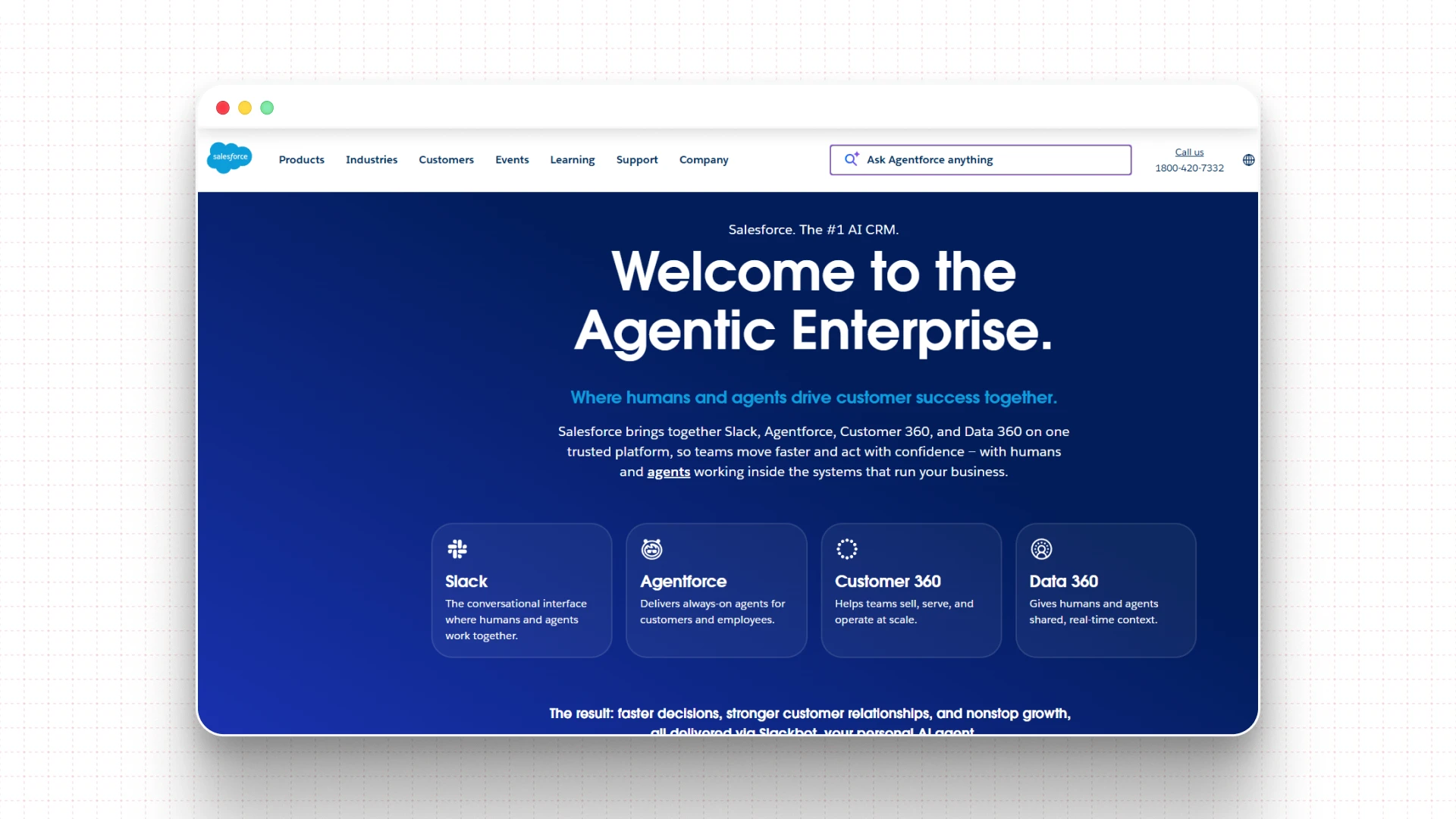
Salesforce Essentials

Source Link

Best For: Tech-forward SMEs with budget and an eye on international expansion

Salesforce Essentials is the stripped-down version of the world's most powerful CRM. It brings enterprise-grade functionality to smaller teams if they can handle the complexity.

What It Does Well:

  • Highly customizable pipelines and automation flows.
  • Best-in-class reporting and analytics.
  • Massive integration ecosystem (Slack, email, ERP connectors).
  • Mobile-first access.

KSA Limitations:

  • Steep learning curve. Most SMEs need a certified consultant to implement.
  • No native Arabic language support.
  • No ZATCA compliance, so you require third-party workarounds.
  • Cost can escalate quickly once add-ons are included.

Pricing: Starts at USD 25/user/month

4. Hollat

Hollat

Source Link

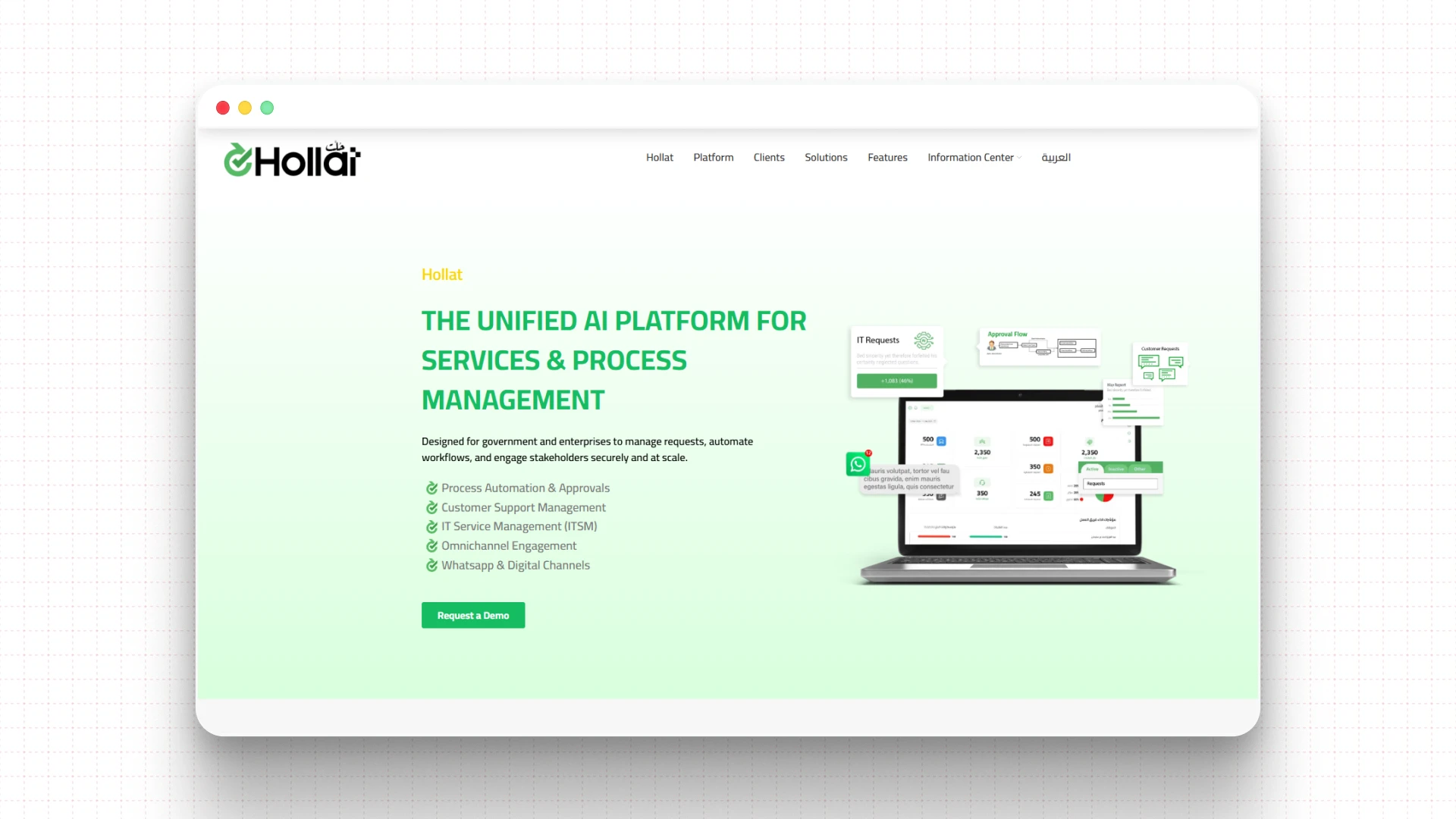
Best For: Arabic-speaking SMEs in KSA needing a simple, local CRM

Hollat is a Saudi-based CRM platform built for the local market. Its Arabic interface and local customer support make it accessible for teams not comfortable with English-only tools.

What It Does Well:

  • Full Arabic interface and support
  • Local pricing in SAR
  • Simple UI suitable for non-technical users
  • Saudi-based customer support

KSA Limitations:

  • Limited integrations compared to global tools.
  • Fewer advanced automation features.
  • Less suited for complex industries like manufacturing or contracting.
  • Smaller ecosystem and fewer third-party connections.

Pricing: Competitive local pricing. Contact for current tiers.
5. Zoho CRM

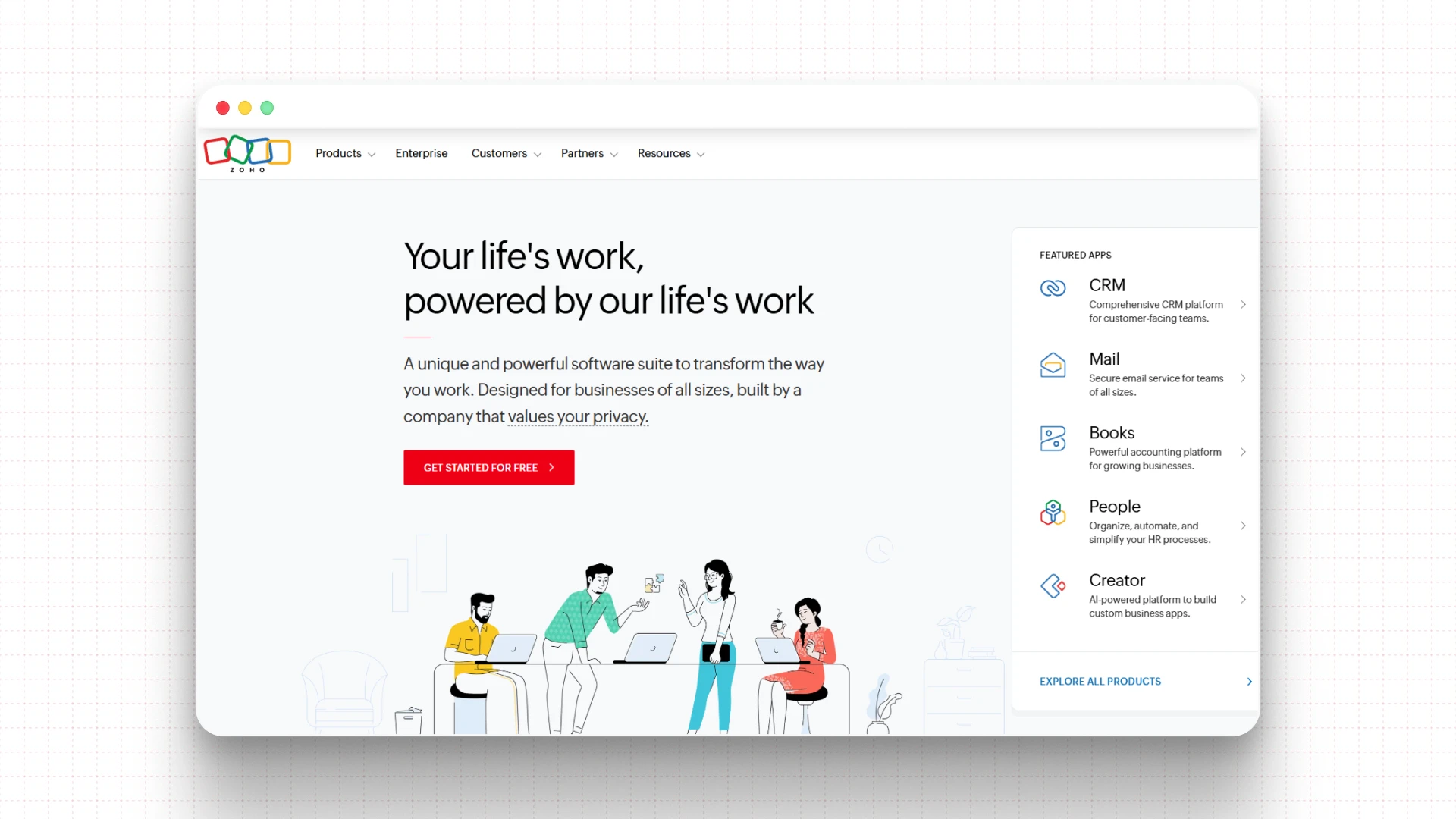
Zoho CRM

Source Link

Best For: Cost-sensitive SMEs needing a broad feature set at a low price

Zoho CRM is well-known for its affordability and wide feature set. It is one of the few global CRMs with an Arabic interface option, giving it an edge in the KSA market.

What It Does Well:

  • Arabic language support available.
  • Competitive pricing with a generous free tier.
  • Good automation features for the price point.
  • Wide integrations including email, WhatsApp (via third-party), and telephony.

KSA Limitations:

  • Arabic support is available, but not always consistent across all modules.
  • No ZATCA compliance built in.
  • Data residency in Saudi Arabia is not guaranteed by default.
  • Customer support quality varies. Local presence is limited.

Pricing: Free for up to 3 users; paid plans from USD 14/user/month
6. Arqam

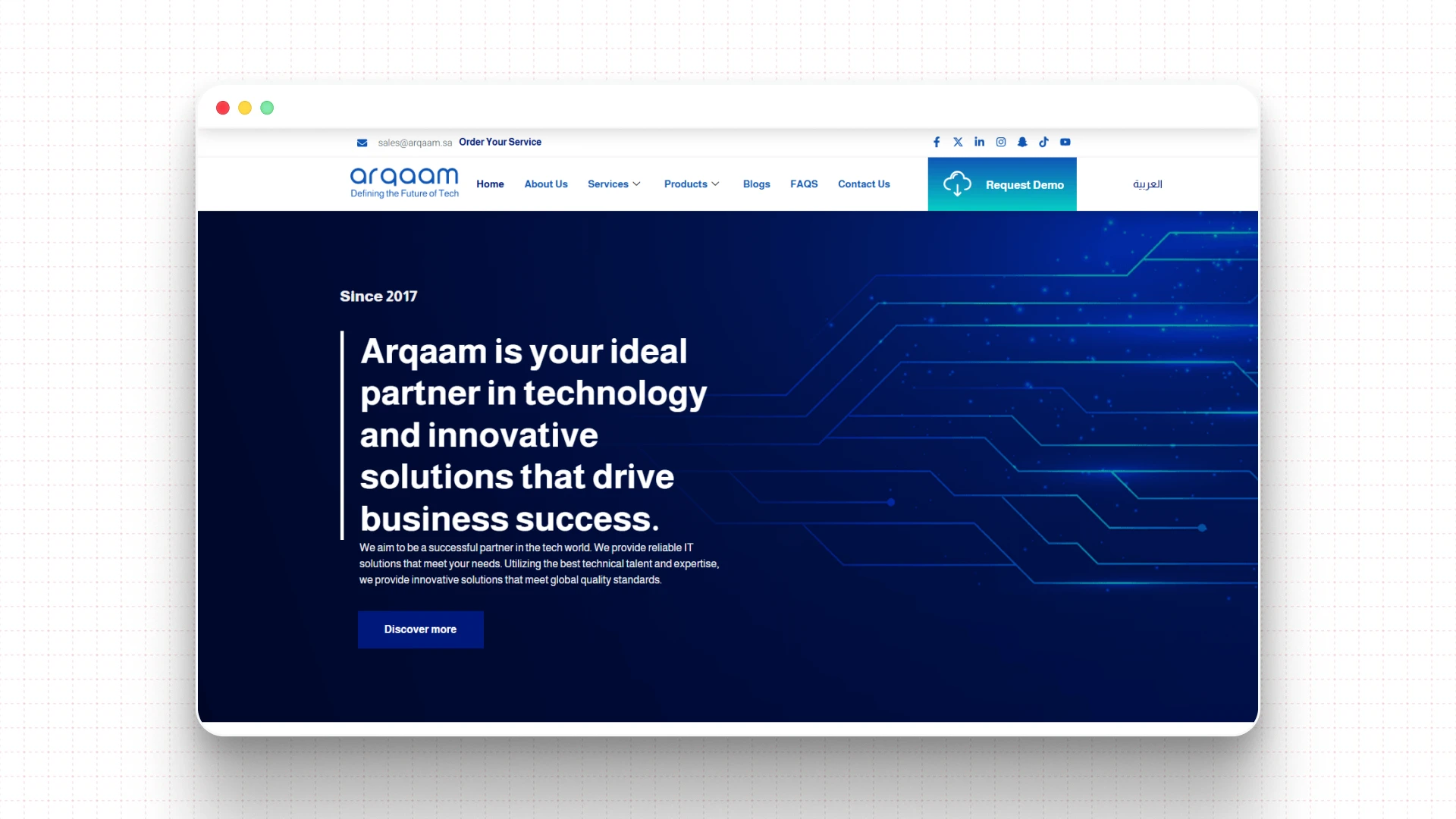
Arqam

Source Link

Best For: SMEs in the trading and retail sectors looking for a KSA-native option

Arqam is a Saudi-born business platform that includes CRM functionality alongside accounting and operations. Its Arabic-first design and local compliance focus make it relevant for smaller businesses.

What It Does Well:

  • Designed for the Saudi market with Arabic as the primary interface
  • Includes accounting and basic CRM features in one product
  • VAT-ready invoicing
  • Affordable entry pricing for very small teams

KSA Limitations:

  • Limited scalability for growing businesses beyond 20-30 employees.
  • CRM features are basic compared to dedicated platforms.
  • Limited integrations with e-commerce, POS, or external systems.

Pricing: Contact the vendor for current pricing.
7. Pipedrive

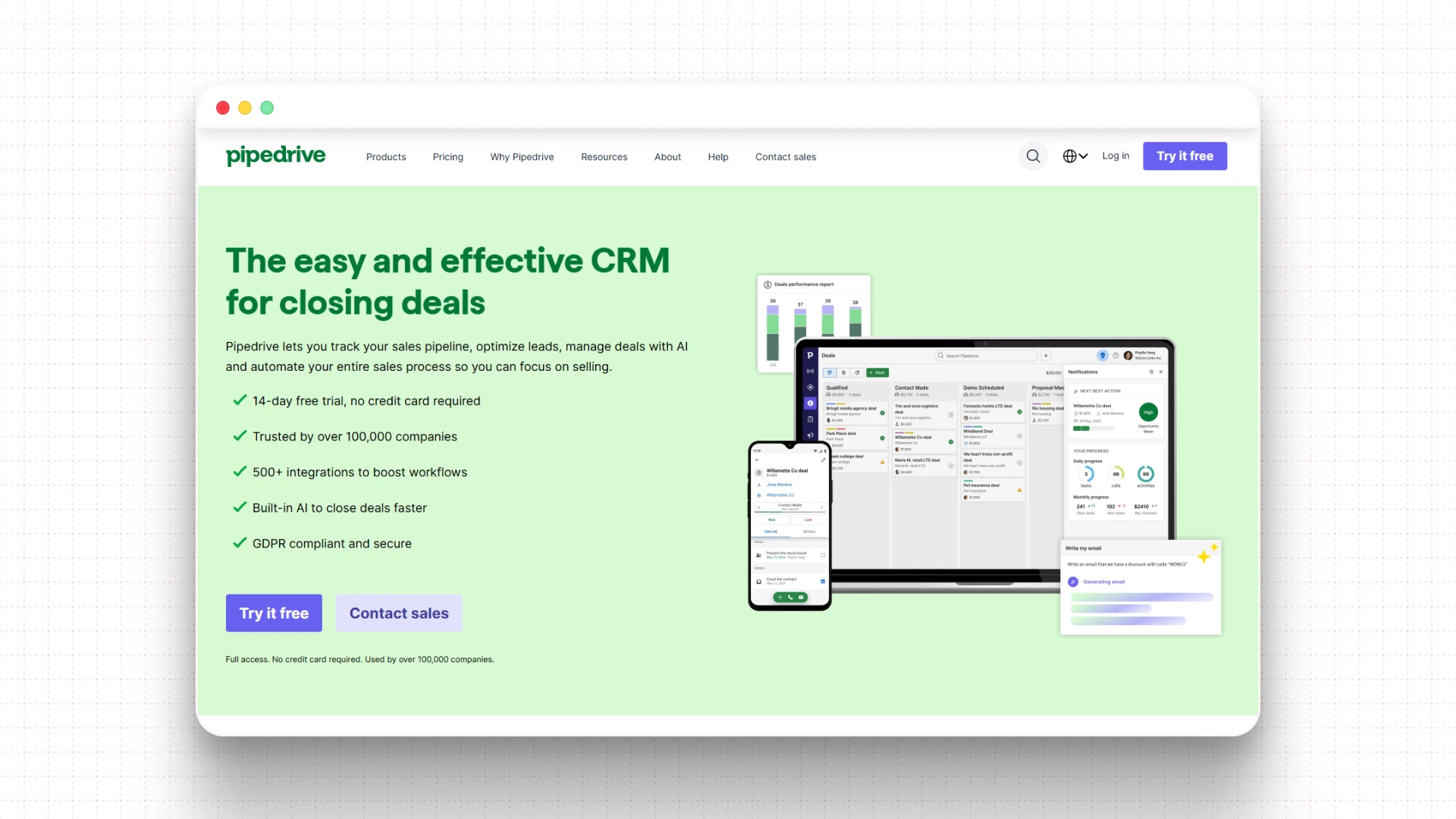
Pipedrive

Source Link

Best For: Small sales teams that want a clean, visual pipeline tool without complexity

Pipedrive is built purely for sales pipeline management. It is one of the easiest CRMs to set up and adopt, making it popular with small sales teams globally.

What It Does Well:

  • Extremely intuitive visual pipeline, easy for any salesperson to learn
  • Strong deal tracking and activity reminders
  • Good mobile app for on-the-go sales reps

KSA Limitations:

  • No Arabic language support.
  • No ZATCA or VAT compliance.
  • Does not connect to ERP or finance modules. Data stays siloed.
  • Minimal local support or presence in Saudi Arabia.

Pricing: From USD 14/user/month

So now you have seen the options. But which features actually matter most when choosing a sales CRM as a small business in Saudi Arabia? Let's break it down.

Also Read: Top 5 Agentic AI CRM Platforms Redefining Customer Engagement in 2026

What Makes the Best CRM for Small Businesses in KSA?

Choosing a CRM is not just about features on a spec sheet. For a small or mid-sized business operating in Saudi Arabia, there are specific factors that separate a tool that works from one that collects dust.

Here is what the best sales CRM for a small business in KSA must deliver:

  • Arabic language and bilingual support: Your sales team likely works in Arabic. A CRM without a proper Arabic interface creates friction, slows adoption, and leads to workarounds. Look for a tool where the full interface, not just a partial translation, works in Arabic.
  • ZATCA-compliant invoicing integration: Every Saudi SME above the revenue threshold must issue ZATCA-compliant e-invoices. If your CRM does not connect to a compliant invoicing system, you face compliance risk at the worst possible moment, when a deal closes.
  • Local data hosting in Saudi Arabia: Certain industries and regulated businesses must keep data within KSA. Global CRM providers often host data outside the country by default. Always verify where your data lives.
  • WhatsApp integration: WhatsApp is how business is done in Saudi Arabia. A CRM that integrates natively with WhatsApp, for lead capture, follow-up, and reporting, is far more practical than one that relies on email alone.
  • Industry-specific workflows: A contracting company tracks projects and milestones. A retailer manages SKUs and promotions. A services firm bills by timesheet. The best CRM adapts to your industry.
  • Connected to your ERP and finance: A standalone CRM that does not talk to your accounting or procurement system creates data silos. Look for a tool that connects your pipeline all the way through to invoicing and cash collection.
  • Affordable SAR pricing: USD-denominated SaaS tools create budgeting unpredictability for KSA SMEs. Pricing in SAR with local payment options is a practical advantage for small businesses managing tight cash flow.
  • Fast implementation and local support: Small businesses cannot afford a six-month CRM implementation. Look for vendors with Saudi-based support teams, Arabic-speaking consultants, and a proven track record of quick go-lives in KSA.

If a CRM checks all these boxes, it is a competitive advantage built specifically for the Saudi market.
Book a Demo

Conclusion

Choosing the right CRM for small business sales in Saudi Arabia in 2026 comes down to one core question: Does it actually fit how your business operates? Global tools like HubSpot, Salesforce, and Pipedrive are powerful, but they were not built for the Arabic-speaking, ZATCA-compliant, WhatsApp-driven reality of KSA's SME market. 

Local tools like Zoho and Hollat close some of that gap, but often lack the depth to support growing businesses across manufacturing, contracting, or retail.

That is where HAL ERP is different. We are the only CRM and ERP platform purpose-built for Saudi SMEs, combining a full sales pipeline, WhatsApp CRM via Hala AI, ZATCA-compliant invoicing, Arabic and English interface, and industry-specific modules for contracting, retail, manufacturing, and services.

Ready to see how HAL can transform your sales operations? Get in touch today and get your quote.

Frequently Asked Questions (FAQs)

What is the difference between a CRM and an ERP for small businesses?

A CRM (Customer Relationship Management) tool focuses specifically on managing leads, contacts, and the sales pipeline. An ERP (Enterprise Resource Planning) system covers the entire business, finance, HR, procurement, inventory, and operations. HAL ERP includes a CRM module inside a full ERP, so small businesses in KSA get both without needing two separate tools.

Is CRM software suitable for a business with fewer than 10 employees?

Yes. In fact, small teams benefit most from CRM software because every lead and every follow-up counts more at this stage. Tools like HAL ERP offer scalable plans that start small and grow with your business. You do not need a large team to justify using a CRM. You just need to be serious about not losing sales.

Does my sales CRM need to be ZATCA compliant in Saudi Arabia?

Your CRM itself does not need to be ZATCA compliant, but it must connect to a system that is. When a deal closes, your CRM should trigger a compliant e-invoice through your finance or ERP system. If there is a gap between your CRM and your invoicing, you risk late or non-compliant invoices. HAL ERP handles this natively.

Can I use a free CRM for my small business in Saudi Arabia?

Free CRM tools like HubSpot's free plan or Zoho's free tier can work for very early-stage businesses. However, they typically come with significant limitations. No Arabic support, no ZATCA integration, limited automation, and data hosted outside KSA. As your business grows, the cost of gaps like these usually outweighs any savings from a free plan.

Which industries in Saudi Arabia benefit most from a small business CRM?

CRM software adds value across all B2B and B2C industries. In KSA, the highest impact is seen in contracting (project-based sales tracking), retail (customer loyalty and repeat purchases), manufacturing (order management and customer follow-up), trading (quotation-to-invoice speed), and services (timesheet-linked billing). HAL ERP has purpose-built modules for all of these industries.


Mohammed Ali Khan
Mohammed Ali Khan is a seasoned ERP Implementation Consultant with over 100 successful projects across Saudi Arabia. With expertise across diverse industries, he has spearheaded large-scale retail implementations for hundreds of stores, bringing deep knowledge of omnichannel commerce, payment integrations, and the unique challenges of retail operations in KSA.