

Production delays. Inventory numbers that don’t match the warehouse. Teams are relying on spreadsheets to track work orders.
For many manufacturers, these problems point to the same root cause: an ERP system that can no longer keep up with growing operational complexity.
This challenge is becoming more urgent in Saudi Arabia. The Kingdom had more than 11,549 industrial facilities in 2023, according to the Ministry of Industry and Mineral Resources, with thousands more expected as Vision 2030 accelerates industrial growth. As factories scale, the systems running production, inventory, and procurement must scale with them.
That’s why many manufacturers are reassessing their ERP systems in 2026. In this guide, we compare seven ERP platform manufacturers currently under evaluation, based on production capabilities, implementation effort, and operational fit, to help you identify the right option for your factory.
Many ERP systems claim to support manufacturing, but gaps often emerge as operations grow more complex. These limitations typically surface not during initial setup, but once production volumes increase, processes evolve, and real-time visibility becomes critical.
Common challenges manufacturers face include:
Also Read: 9 Critical Success Factors for ERP Implementation in Your Business
Shortlisting the right ERP comes down to how well a system supports production, inventory, quality, and compliance as manufacturing operations scale. The ERP systems below represent the options most commonly evaluated by manufacturers in 2026, each with different strengths depending on operational complexity and regional requirements.
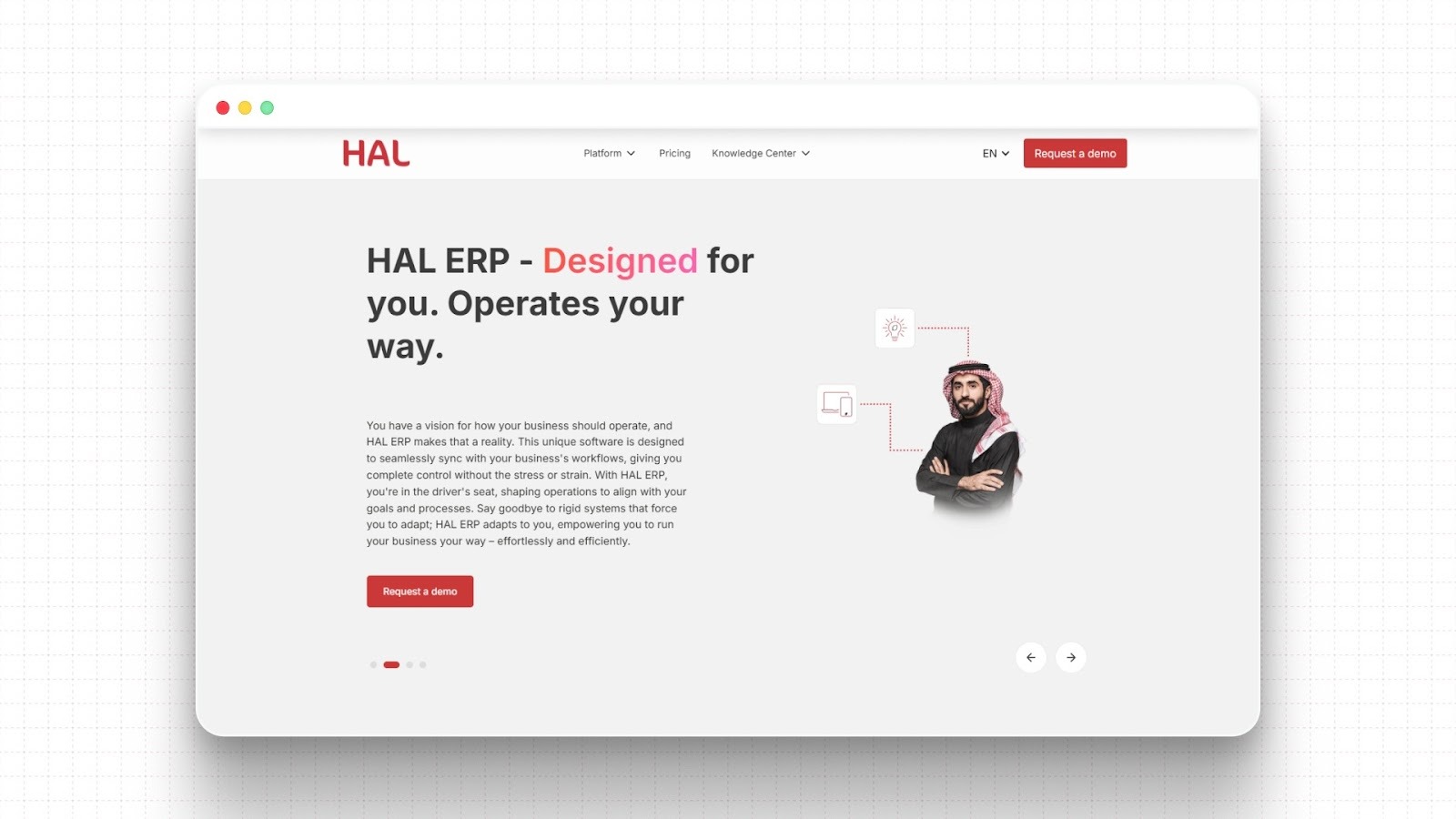
HAL ERP is an integrated enterprise platform with a clear focus on helping manufacturing businesses run complex operations without the overhead of traditional ERP systems. Within the HAL ERP ecosystem, HAL Manufacturing is purpose-built to support production-driven businesses that require real-time visibility, automation, and operational control.
Rather than adapting a global ERP to local requirements later, HAL ERP is designed with regional business realities in mind from the outset. This approach allows manufacturers to deploy faster, reduce post-go-live friction, and operate with systems that closely align with how factories in the region actually operate.
Pan Gulf Optics (PGO), a leading lens manufacturer in Saudi Arabia, implemented HAL Manufacturing ERP to address ordering errors, poor inter-departmental communication, and limited visibility into orders and materials.
By automating work orders with barcode scanning, enabling customer order tracking through a portal, and improving cross-departmental coordination, PGO significantly streamlined its operations.
Results:
Best for: Mid-sized manufacturers in Saudi Arabia across food production, chemicals, electronics assembly, garments, and industrial goods who need fast deployment, built-in compliance, and a local support team.
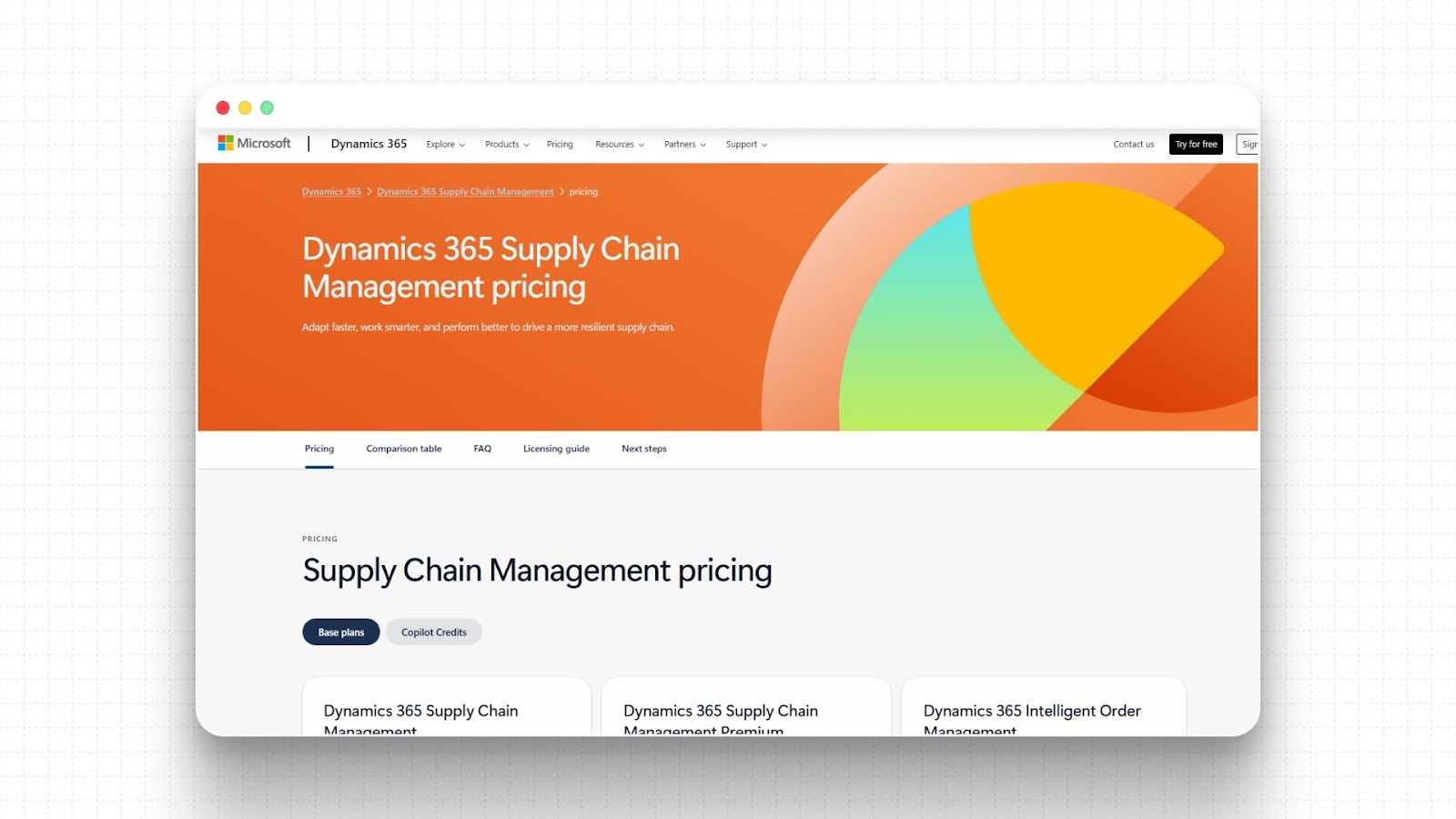
Supply Chain Management Pricing | Microsoft Dynamics 365
Microsoft Dynamics 365 is a cloud-based ERP platform widely adopted by manufacturing businesses that require flexibility, scalability, and structured process control. It supports manufacturing operations through a dedicated supply chain and production modules that help organizations manage planning, inventory, and execution as operations grow.
Designed as a modular system, Dynamics 365 allows manufacturers to configure functionality based on operational needs, making it a common choice for businesses transitioning from fragmented systems to a centralized ERP platform.
Manufacturing-focused capabilities
Best for: Larger enterprises with existing Microsoft infrastructure, dedicated IT teams, and multi-country or multi-entity operations.
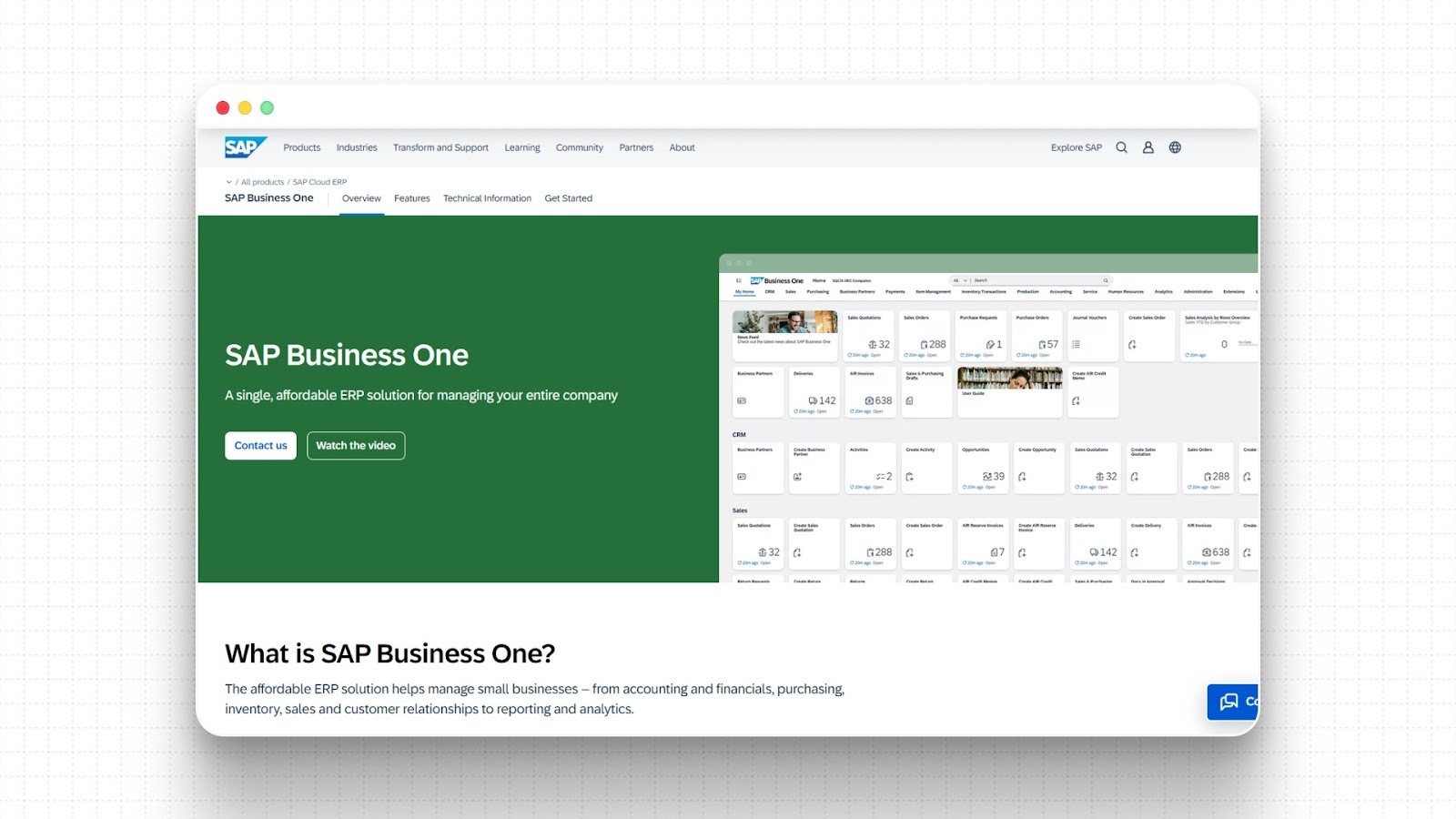
SAP Business One | ERP Software for Small Businesses
SAP Business One is an ERP system built to support structured manufacturing operations with strong control over production, inventory, and supply chain processes. It is widely used by manufacturing businesses that require standardized workflows, consistent data handling, and reliable operational reporting.
The platform integrates SAP’s manufacturing and planning logic into a streamlined ERP environment, enabling organizations to manage production activities with greater visibility and discipline.
Manufacturing-focused capabilities
The platform works well for manufacturers who prefer structured, process-driven workflows. Customization beyond standard configurations adds time and cost. Support quality varies depending on the selected implementation partner.
Best for: Mid-market manufacturers who want a well-documented, structured ERP backed by a regional partner ecosystem.
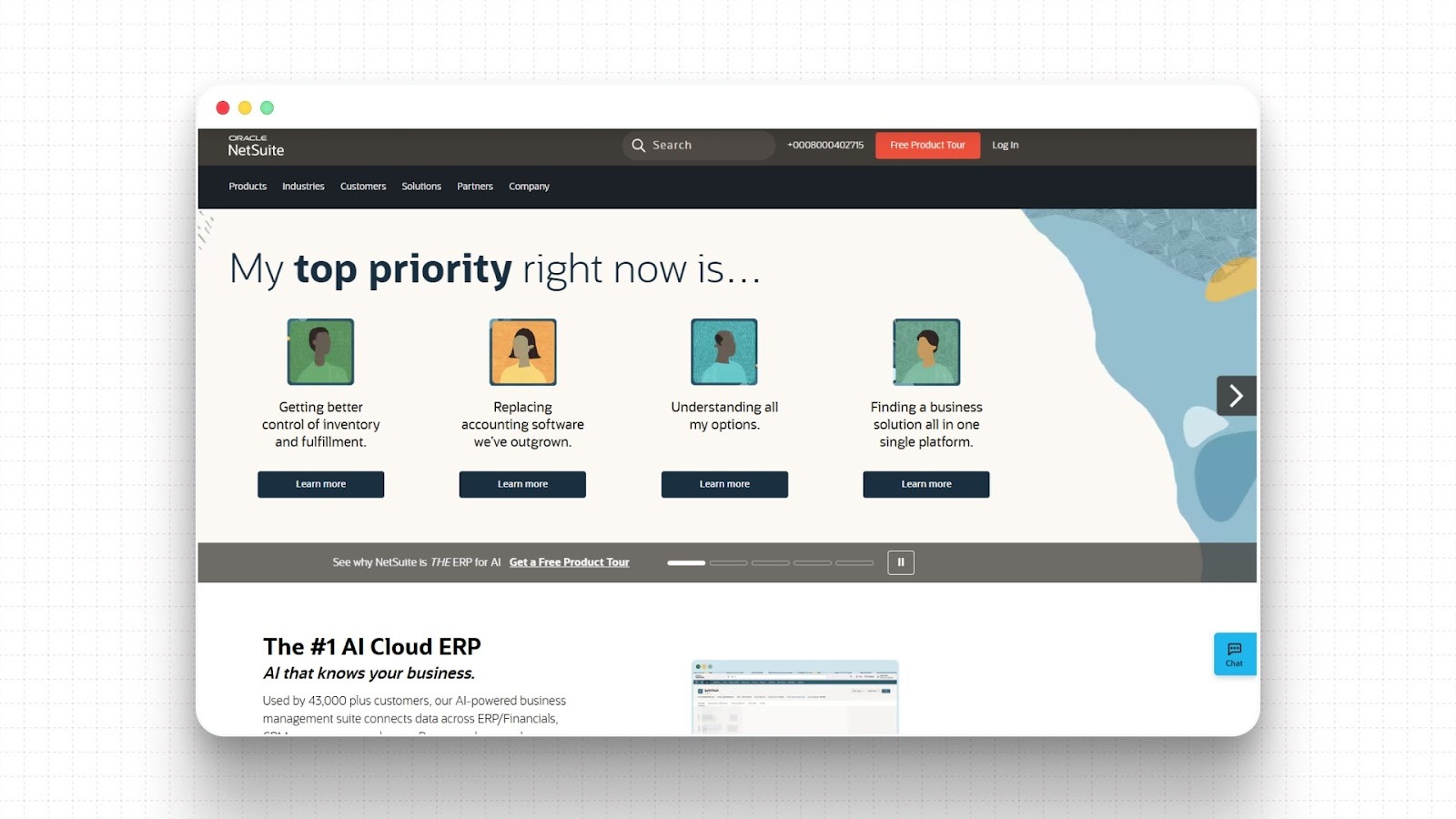
Business Software, Business Management Software | NetSuite
Oracle NetSuite is a cloud-native ERP platform designed to support manufacturing organizations that require centralized control, standardized processes, and real-time visibility across operations. Built as a single-instance cloud system, NetSuite enables manufacturers to manage production and inventory across multiple sites from a single unified environment.
NetSuite is often evaluated by manufacturing businesses that prioritize operational consistency, cross-location visibility, and cloud-first deployment.
Manufacturing-focused capabilities
Best for: Growth-stage manufacturers with multi-entity structures or international operations who prioritize scalability and financial visibility.
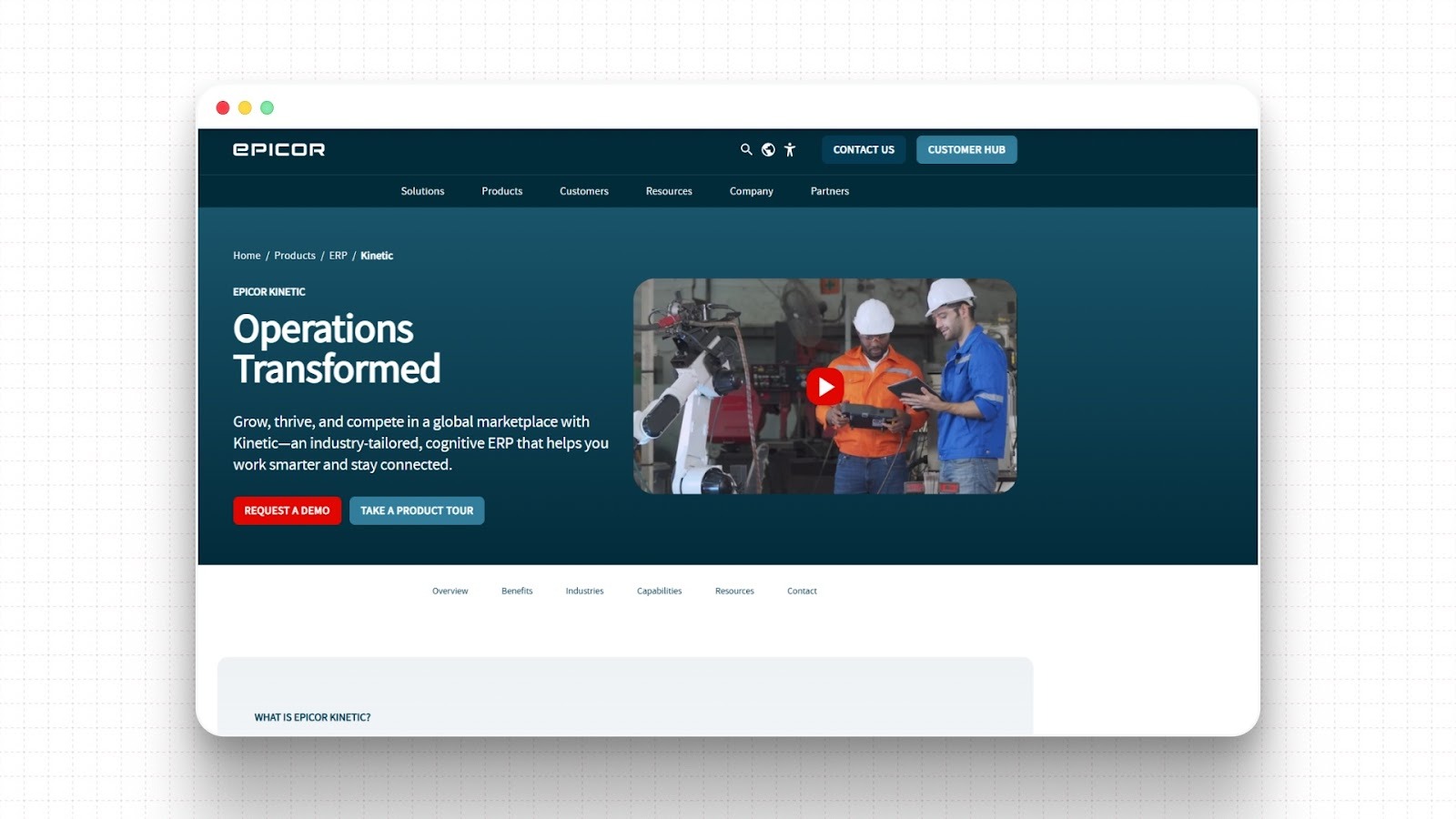
Epicor Kinetic is an ERP system purpose-built for manufacturing operations, with a strong emphasis on shop-floor execution, production control, and operational visibility. It is designed to support manufacturers that require detailed control over how work orders move through production and how resources are utilized on the floor.
Rather than positioning itself as a broad, cross-industry ERP, Epicor Kinetic focuses on manufacturing execution and supply chain coordination, making it a common choice for production-driven environments.
Manufacturing-focused capabilities
Epicor's Middle East presence is more limited than in global markets. Businesses in Saudi Arabia should verify their regional compliance capabilities and plan carefully for partner selection before committing.
Best for: Complex discrete manufacturers, particularly engineer-to-order and make-to-order operations, where advanced scheduling depth is the primary requirement.
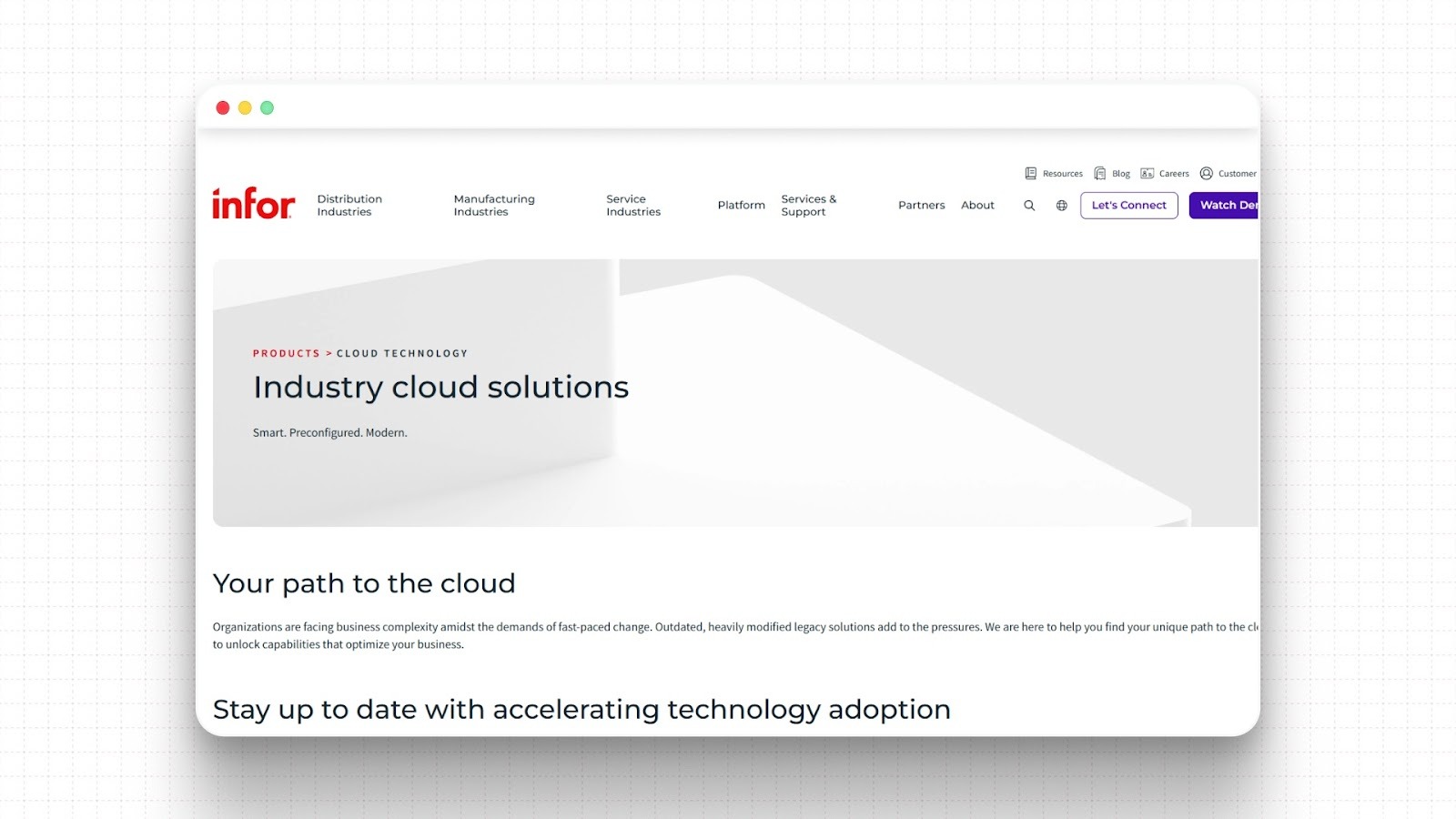
Infor CloudSuite | ERP Cloud Solutions | Infor
Infor CloudSuite Industrial (often referenced as SyteLine) is an ERP solution purpose-built to support both discrete and process manufacturing operations, offering end-to-end functionality across production, inventory, supply chain, and operational reporting. It is designed to help manufacturing companies streamline workflows, gain real-time visibility, and scale processes efficiently.
Manufacturing-focused capabilities
Best for: Industrial and process manufacturers with multi-site production environments who want an industry-built platform foundation.
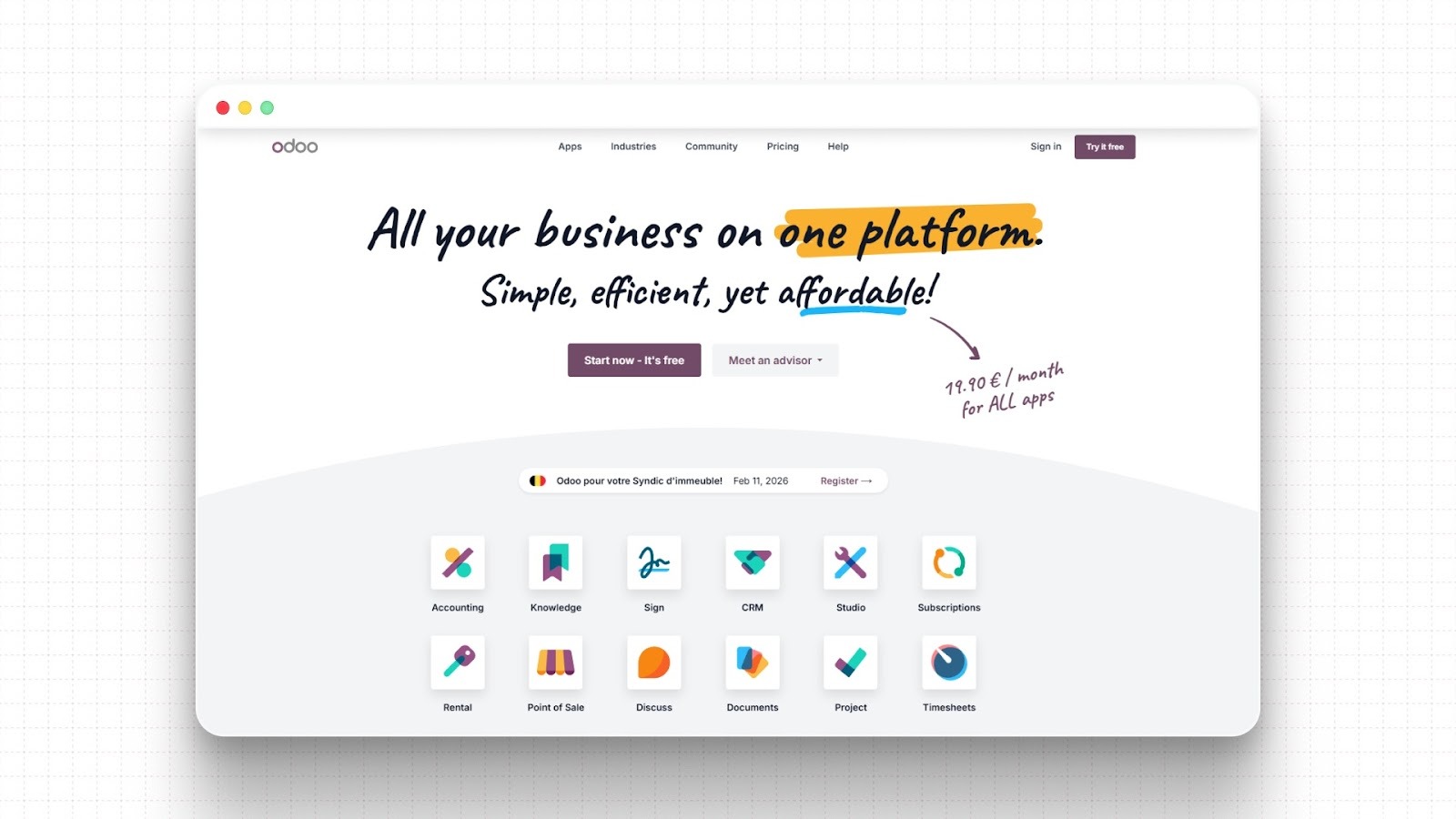
Open Source ERP and CRM | Odoo
Odoo is a modular ERP platform that lets businesses assemble only the functional apps they need, including manufacturing, inventory, and purchasing. Its open-core design means modules can be added over time, offering flexibility for manufacturers that want to adopt ERP capabilities incrementally rather than all at once.
While Odoo is known for its flexibility and customization, its impact on manufacturing often depends on how modules are configured and extended. For manufacturers transitioning from basic tools, Odoo’s modular approach enables building a tailored system without the licensing overhead of unused features.
Manufacturing-focused capabilities
Best for: Micro and small businesses needing basic manufacturing and inventory coverage. Not the recommended choice for mid-sized manufacturers with complex operations, multi-location needs, or ZATCA compliance requirements.
Also Read: How Agentic AI is Transforming ERP Systems
Also Read: How To Create An ERP Business Requirements Document: A Complete Checklist

The ERP selection process gets most of the attention. But implementation is where projects succeed or fail.
Here is what a typical manufacturing ERP implementation involves:
For manufacturing businesses, minimizing disruption during go-live is critical. Choosing an ERP with a local implementation team significantly reduces the risk of extended downtime or misaligned configurations.
Want to see a manufacturing ERP go-live that fits your timeline? Talk to the HAL team and build a realistic implementation plan tailored to your operations.

Before you finalize your ERP shortlist, work through these questions with your internal team.
Also Read: ERP Implementation Life Cycle Explained: Phases & Best Practices
Finding the best ERP for manufacturing is not about picking the most recognized brand. It is about finding the system that fits how your factory actually runs, supports Saudi compliance requirements, and deploys fast enough to deliver value before your competitors do.
For manufacturers in Saudi Arabia, the gap between a well-implemented local ERP and a heavily customized global platform is measured in months of lost productivity and hundreds of thousands of riyals in avoidable costs.
HAL ERP was built for this market. It brings together manufacturing-specific functionality, native ZATCA compliance, Arabic-language support, and a local implementation team in one platform designed for businesses like yours. Request a free demo today to see how it works.
A general ERP covers business functions like finance, HR, and sales. A manufacturing ERP adds production planning, bill of materials management, shop floor control, quality inspection, and maintenance scheduling. For manufacturers, these modules are not optional extras; they are core to daily operations.
It depends on the system and scope. For HAL ERP, basic setup and training take 2 to 4 weeks. Full implementation, including data migration and customization, takes 8 to 12 weeks. Larger global ERPs typically require 6 to 18 months, depending on complexity.
ZATCA requires businesses to use e-invoicing systems that meet its technical specifications, including XML formatting, QR codes, and real-time integration with ZATCA's platform. Your ERP must support these requirements, either natively or through a certified integration.
Odoo works well for micro and small businesses but faces scalability and customization challenges as operations grow. Mid-sized manufacturers with more than 50 employees and complex workflows often find that Odoo requires significant custom development to meet their needs, thereby increasing long-term maintenance costs.
Look for partners with local teams, manufacturer references in your industry, Arabic-language support capabilities, and demonstrated experience implementing ZATCA compliance. A local partner reduces response time gaps and understands the regulatory environment without requiring lengthy explanations.