

هل تؤدي تأخيرات التوريد، أو عدم اتساق المخزون، أو ارتفاع تكاليف الخدمات اللوجستية إلى تعطيل عمليات التجزئة لديك؟
يواجه العديد من تجار التجزئة في السعودية التحدي نفسه مع نمو الطلب وتوسع شبكات التوريد. ففي عام 2024، ارتفع إنفاق المستهلكين في المملكة بنسبة 7% ليصل إلى 1.41 تريليون ريال سعودي، مما يعكس نموًا سريعًا في قطاع التجزئة يضع سلاسل التوريد الحالية أمام اختبار حقيقي.
وفي ظل رؤية 2030، يدفع هذا النمو نحو التوسع في مراكز التسوق والتجارة الإلكترونية والبنية التحتية اللوجستية، لكنه في الوقت نفسه يزيد الضغط على تجار التجزئة لتبسيط عملياتهم. ويتعين على تجار التجزئة الآن تعزيز أساليب التنبؤ بالطلب، والتوريد، ونقل المنتجات، وإدارة المخزون لمواكبة ارتفاع الطلب وتوقعات المشترين.
ومن خلال الأنظمة الأكثر ذكاءً، والرؤية الأفضل، والأدوات الحديثة، يمكن لتجار التجزئة بناء إطار أقوى لإدارة سلسلة التوريد في قطاع التجزئة، بما يدعم النمو بدلًا من إبطائه.
في هذا الدليل، ستتعرف على المكونات الأساسية لإدارة سلسلة التوريد في قطاع التجزئة، والتحديات التي يجب على تجار التجزئة التغلب عليها، والاستراتيجيات التي تساعدك على الحفاظ على قدرتك التنافسية في عام 2026.
يشهد قطاع التجزئة في السعودية توسعًا بوتيرة غير مسبوقة في المنطقة. وتعيد مراكز التسوق الجديدة، والمتاجر ذات المساحات الأكبر، وشركات التجارة الإلكترونية سريعة النمو تشكيل الطريقة التي تنتقل بها المنتجات من الموردين إلى الأرفف. وسيواجه تجار التجزئة الذين يتعاملون مع عمليات سلسلة التوريد باعتبارها أمرًا ثانويًا صعوبة في مواكبة سرعة عام 2026 وحجمه وتوقعات العملاء.
وتقود الرياض جزءًا كبيرًا من هذا النمو، حيث تستحوذ على 2.2 مليون متر مربع من إجمالي 4.9 مليون متر مربع من مساحات التجزئة الجديدة المخطط لها في أكبر 5 مدن بالمملكة بحلول عام 2030. وفي سوق بهذه الدرجة من التنافسية، تصبح الإدارة القوية لسلسلة التوريد في قطاع التجزئة العمود الفقري لاستقرار العمليات وتحقيق الربحية.
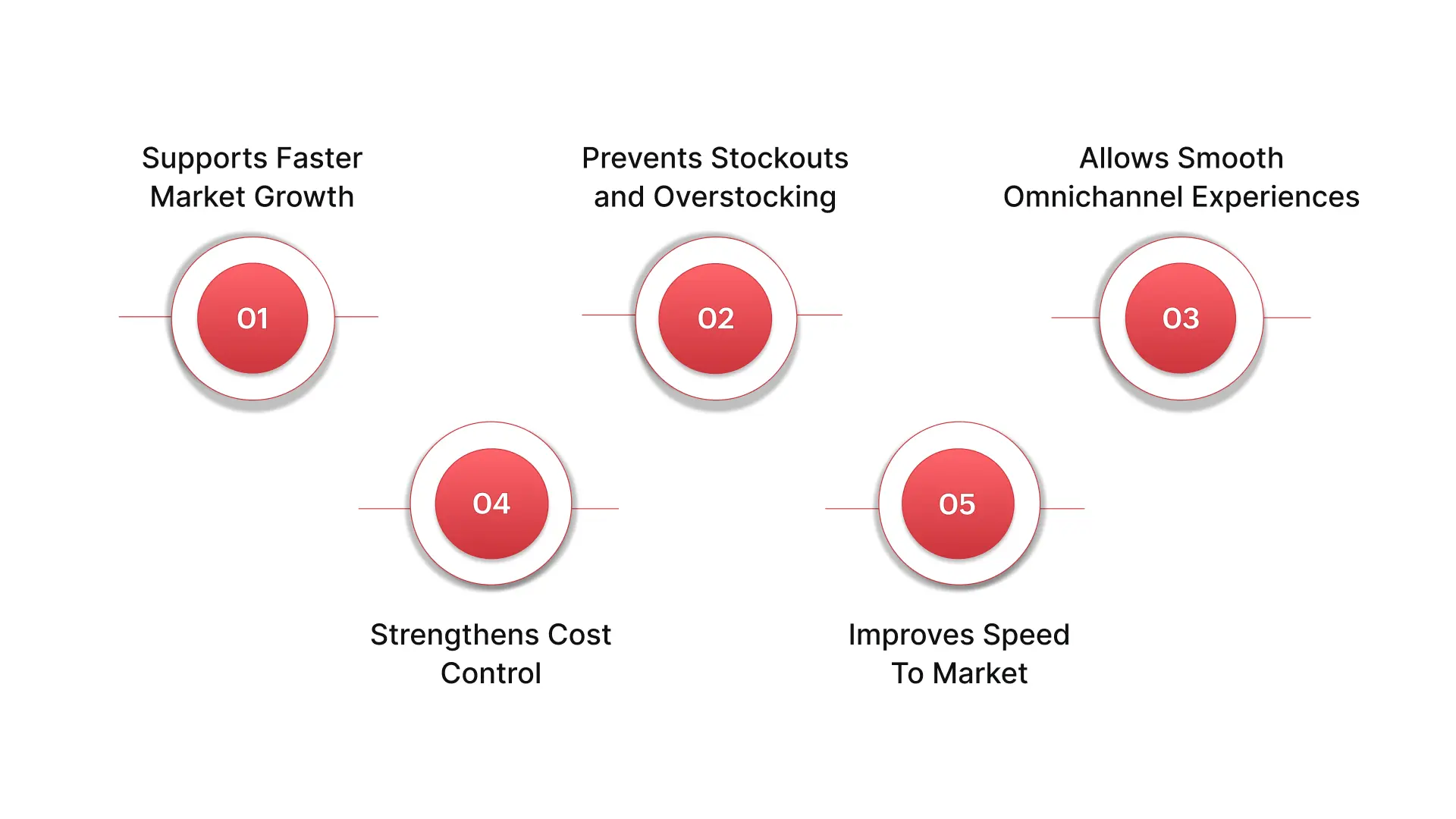
إليك أهم الأسباب التي تجعلها مهمة:
توفر إدارة سلسلة التوريد في قطاع التجزئة لتجار التجزئة المرونة والتحكم اللازمين للنمو في سوق سعودية تزداد تنافسية. ومع تطور السوق، يصبح فهم العناصر التي تشكل سلسلة توريد فعّالة أمرًا ضروريًا.
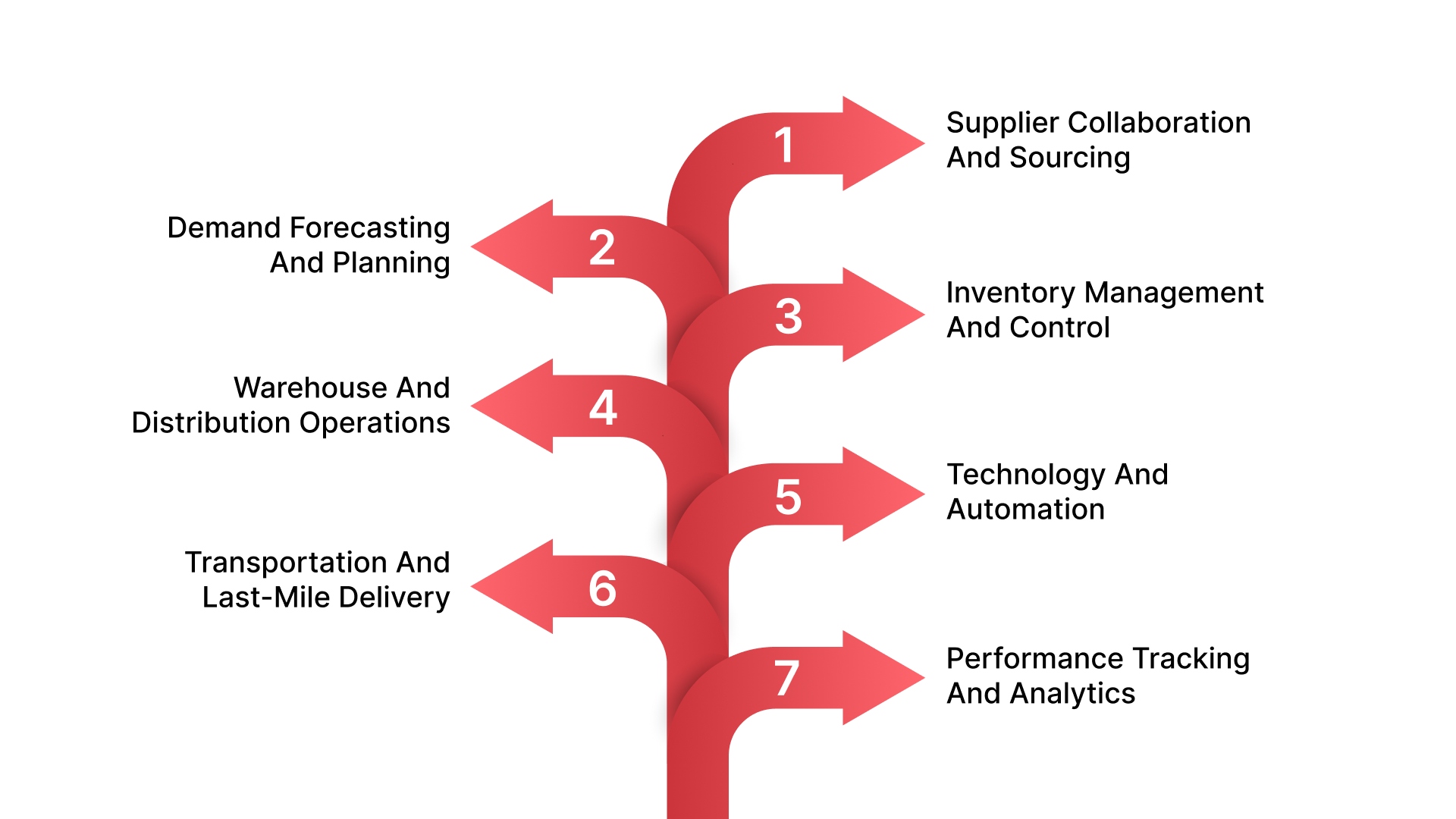
مع استمرار توسع قطاع التجزئة في السعودية، يجب أن تصبح سلسلة التوريد التي تدعمه أسرع وأكثر ذكاءً وتنسيقًا. وتضمن الأسس القوية انتقال المنتجات بسلاسة من الموردين إلى الأرفف، مع دعم نمو التجارة متعددة القنوات، والربحية، وتلبية توقعات العملاء.
فيما يلي العناصر الأساسية التي تحدد إدارة سلسلة توريد عالية الأداء في قطاع التجزئة لعام 2026:
توفر سلسلة التوريد المبنية على هذه المكونات السرعة والدقة والكفاءة في التكاليف، وهي جميعًا مزايا أساسية في سوق التجزئة السعودي سريع التوسع.
ولكن حتى مع وجود هيكل مناسب لإدارة سلسلة التوريد في قطاع التجزئة، غالبًا ما يواجه تجار التجزئة عقبات تشغيلية تؤدي إلى إبطاء الأداء.
قد يؤدي نمو قطاع التجزئة في المملكة العربية السعودية إلى ضغوط تشغيلية حقيقية. فحتى الفرق المنظمة جيدًا تواجه صعوبات عندما يتغير الطلب، أو يتأخر الموردون، أو تنخفض وضوح الرؤية حول المخزون. وغالبًا ما تؤدي هذه المشكلات إلى إبطاء عمليات التسليم، وزيادة التكاليف، وإضعاف ثقة العملاء، خاصة في سوق تستمر فيه التوقعات بالارتفاع.
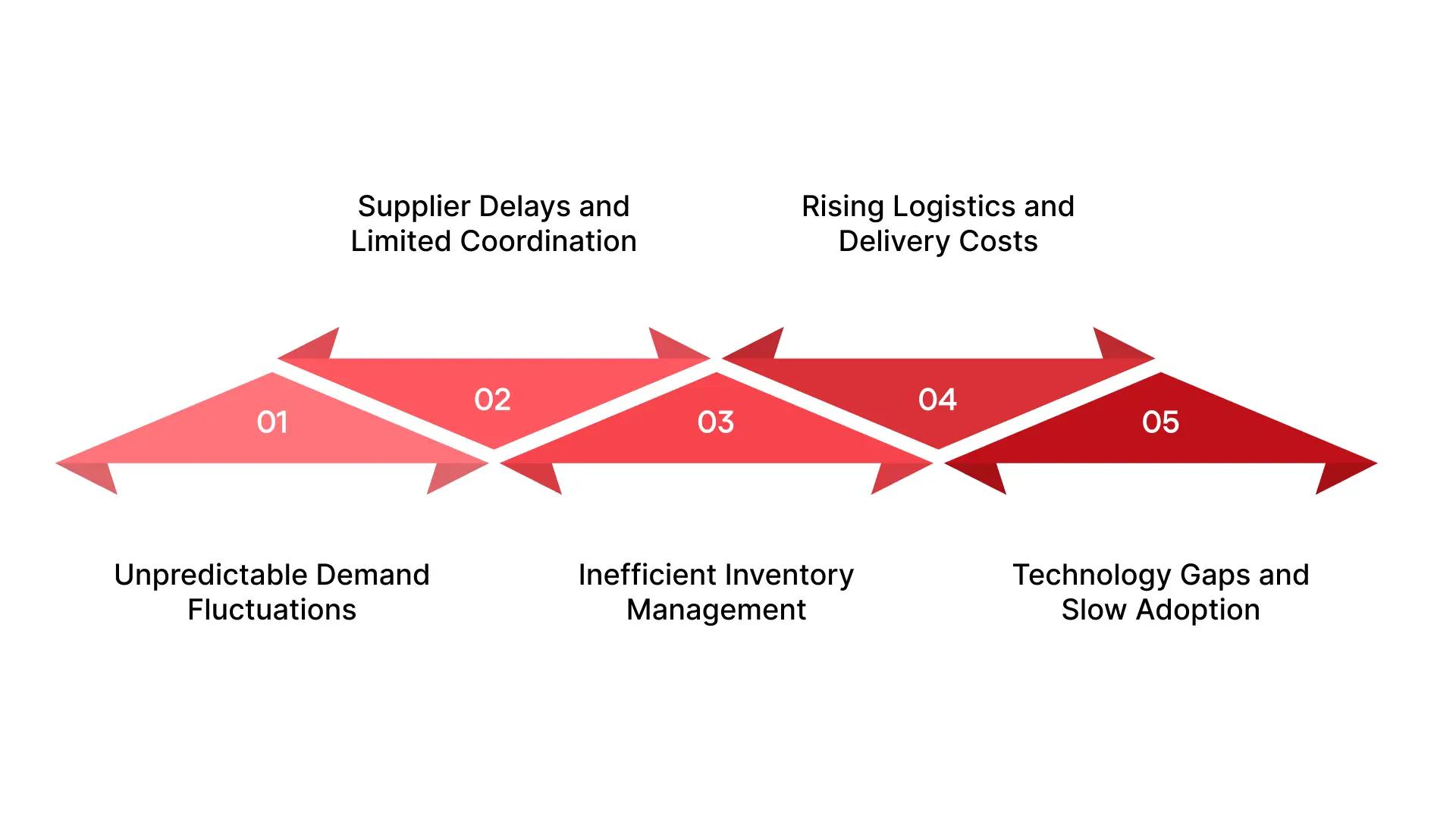
فيما يلي أكثر 5 تحديات شيوعًا يجب عليك معالجتها لبناء نظام أقوى وأكثر مرونة لإدارة سلسلة التوريد في قطاع التجزئة:
تقلبات الطلب غير المتوقعة: تؤدي التغيرات السريعة في سلوك الشراء، بما في ذلك ذروة المواسم، والعروض الترويجية، واتجاهات السوق، إلى ارتفاع وانخفاض متكرر في الطلب. وغالبًا ما ينتج عن ذلك تكدس المخزون أو نفاده.
استخدم أدوات التنبؤ بالطلب، وتابع معدلات تصريف المنتجات أسبوعيًا، واعتمد على لوحات معلومات المبيعات الفورية للبقاء في مقدمة التقلبات.
تأخيرات الموردين وضعف التنسيق: يؤدي ضعف التواصل وطول المدد الزمنية للتوريد من الموردين إلى تعطيل تدفق المخزون وزيادة تكاليف الاحتفاظ به.
اعمل على بناء اتفاقيات أقوى مع الموردين، وتوحيد قنوات التواصل، واعتماد بطاقات تقييم الموردين لمتابعة مستوى الموثوقية والأداء.
عدم كفاءة إدارة المخزون: يؤدي ضعف الرؤية للمخزون عبر المتاجر والمستودعات والقنوات الإلكترونية إلى تراكم المخزون الراكد، وانكماش المخزون، وفقدان المبيعات.
اعتمد أنظمة آلية لإدارة المخزون، وتتبع المنتجات باستخدام الرموز الشريطية، وإجراء عمليات جرد دورية للحفاظ على دقة مستويات المخزون.
ارتفاع تكاليف الخدمات اللوجستية والتوصيل: تستمر تكاليف النقل في المملكة العربية السعودية في الارتفاع بسبب أسعار الوقود، ونقص السائقين، وتعقيدات التوصيل في المرحلة الأخيرة.
حسّن مسارات النقل، وادمج عمليات التسليم، واستخدم مراكز توزيع إقليمية لتقليل المسافات غير الضرورية.
فجوات التكنولوجيا وبطء تبنيها: لا يزال العديد من تجار التجزئة يعتمدون على أدوات قديمة أو عمليات يدوية تؤدي إلى الأخطاء والتأخيرات والتوقفات في إدارة سلسلة التوريد بقطاع التجزئة.
استثمر في أنظمة قابلة للتوسع مثل أنظمة إدارة المستودعات (WMS)، وERP، وأدوات الأتمتة التي تبسط سير العمل وتحسن الدقة.
هذه التحديات شائعة، ولكن يمكن إدارتها باستخدام الأدوات المناسبة، والرؤية الواضحة، والتخطيط الجيد. وقد نجحت شركات التجزئة السعودية الرائدة بالفعل في خفض تكاليفها التشغيلية بمقدار 70 مليون ريال سعودي وتحسين الكفاءة بنسبة 61%**. اطلب استشارتك المخصصة من HAL Retail.
%20(1).png)
عندما تفهم ما الذي يعيق سلسلة التوريد لديك، يمكنك اتخاذ إجراءات استراتيجية لتعزيز السرعة والموثوقية.
يتطور قطاع التجزئة في المملكة العربية السعودية بسرعة، مدفوعًا بارتفاع توقعات المستهلكين ودفع رؤية 2030 نحو التحديث. وللحفاظ على القدرة التنافسية، يحتاج تجار التجزئة إلى أنظمة أكثر ذكاءً، وسير عمل أسرع، ونهج مرن ومستدام في العمليات اليومية.
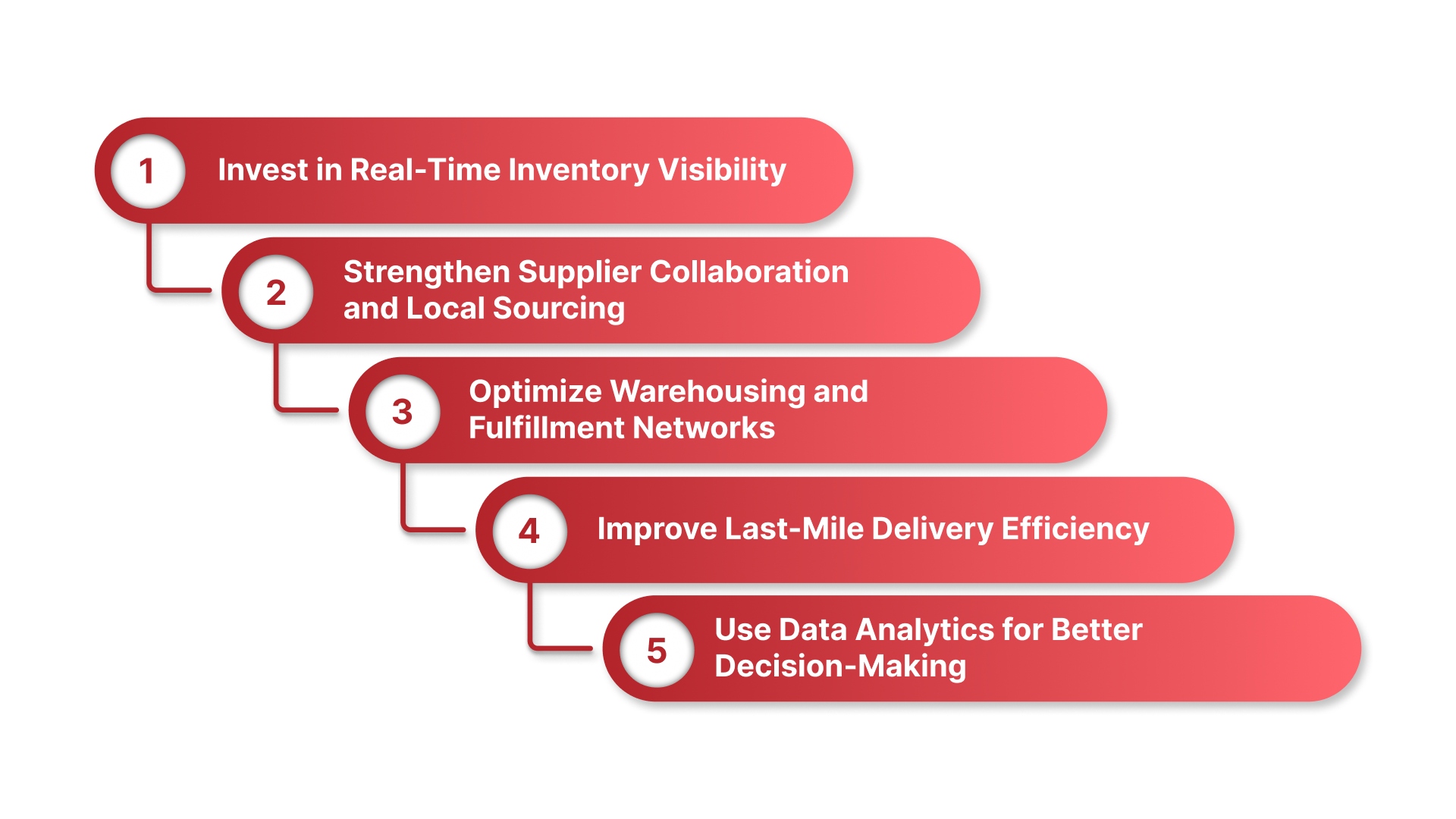
فيما يلي بعض الاستراتيجيات العملية التي تساعد على تعزيز إدارة سلسلة التوريد في قطاع التجزئة وتحقيق الاتساق عبر كل حلقة من حلقات السلسلة:
الاستثمار في الرؤية الفورية للمخزون: يساعد التتبع الفوري تجار التجزئة على تجنب نفاد المخزون، وتقليل المخزون الراكد، ودعم اتخاذ القرارات بشكل أسرع. وعندما تكون جميع المتاجر والمستودعات متصلة، تتمكن الفرق من الاستجابة بسرعة أكبر لتغيرات الطلب.
على سبيل المثال، يمكن لتجار الأزياء الرائدين في الرياض استخدام علامات RFID عبر المتاجر الرئيسية لمراقبة المنتجات سريعة الحركة، خاصة قبل المواسم مثل رمضان وموسم العودة إلى المدارس.
تعزيز التعاون مع الموردين والتوريد المحلي: يساهم الموردون الموثوقون في تقليل التأخيرات، وتحسين الجودة، وتحقيق استقرار الأسعار. كما تساعد الشراكات المحلية على تقصير المدد الزمنية للتوريد، وهو أمر بالغ الأهمية لتحقيق إدارة مرنة لسلسلة التوريد في قطاع التجزئة.
على سبيل المثال، تعتمد العديد من محلات السوبر ماركت في جدة الآن على المنتجات الطازجة من المزارع المحلية في القصيم لضمان إعادة التوريد في اليوم نفسه وتقليل الاعتماد على الواردات.
تحسين شبكات التخزين وتنفيذ الطلبات: يساعد اختيار مواقع المستودعات بشكل استراتيجي على تقليل وقت النقل، وخفض التكاليف اللوجستية، وتسريع عمليات التسليم. كما تضيف عمليات التجهيز الآلية للطلبات وسير العمل الرقمي مزيدًا من الكفاءة.
على سبيل المثال، يمكن لتجار التجزئة الذين يتوسعون في الدمام الاستفادة من مراكز الخدمات اللوجستية في المدينة بالقرب من مطار الملك فهد الدولي لدعم عمليات التسليم الأسرع في المنطقة الشرقية.
تحسين كفاءة التوصيل في المرحلة الأخيرة: غالبًا ما تكون المرحلة الأخيرة هي الأكثر تكلفة وتعقيدًا. ويساعد تحسين مسارات التوصيل، وتنفيذ الطلبات بالقرب من العملاء، وتوفير فترات توصيل مرنة على ضمان إرسال الطلبات في الوقت المحدد مع التحكم في التكاليف.
على سبيل المثال، يمكن لعلامات التجارة الإلكترونية في الرياض استخدام مراكز محلية لتنفيذ الطلبات في العليا والدرعية لتوصيل الطلبات في اليوم نفسه إلى الأحياء ذات الطلب المرتفع.
استخدام تحليلات البيانات لاتخاذ قرارات أفضل: يدعم التخطيط القائم على البيانات عمليات التنبؤ بالطلب، والتسعير، والعروض الترويجية، والمشتريات. وعندما تعتمد إدارة سلسلة التوريد في قطاع التجزئة على الرؤى المستندة إلى البيانات، تصبح العمليات أكثر قابلية للتنبؤ وأكثر ربحية.
على سبيل المثال، يتابع تجار الأجهزة الإلكترونية في جدة الآن ارتفاع أعداد الزوار خلال عطلات نهاية الأسبوع لتجهيز المنتجات الأكثر طلبًا، مثل الهواتف الذكية وأجهزة الألعاب، مسبقًا في المستودعات القريبة.
يجب قراءته: فهم عملية سلسلة التوريد: الخطوات والمراحل الرئيسية
تساعد هذه الاستراتيجيات تجار التجزئة على بناء إطار أكثر مرونة وتنافسية لإدارة سلسلة التوريد في قطاع التجزئة، قادر على الاستجابة لتحولات السوق دون التضحية بالسرعة أو الدقة. ولكن كيف ستسهم التكنولوجيا في تشكيل مستقبل سوق التجزئة السعودي؟ لنتعرف على ذلك فيما يلي.
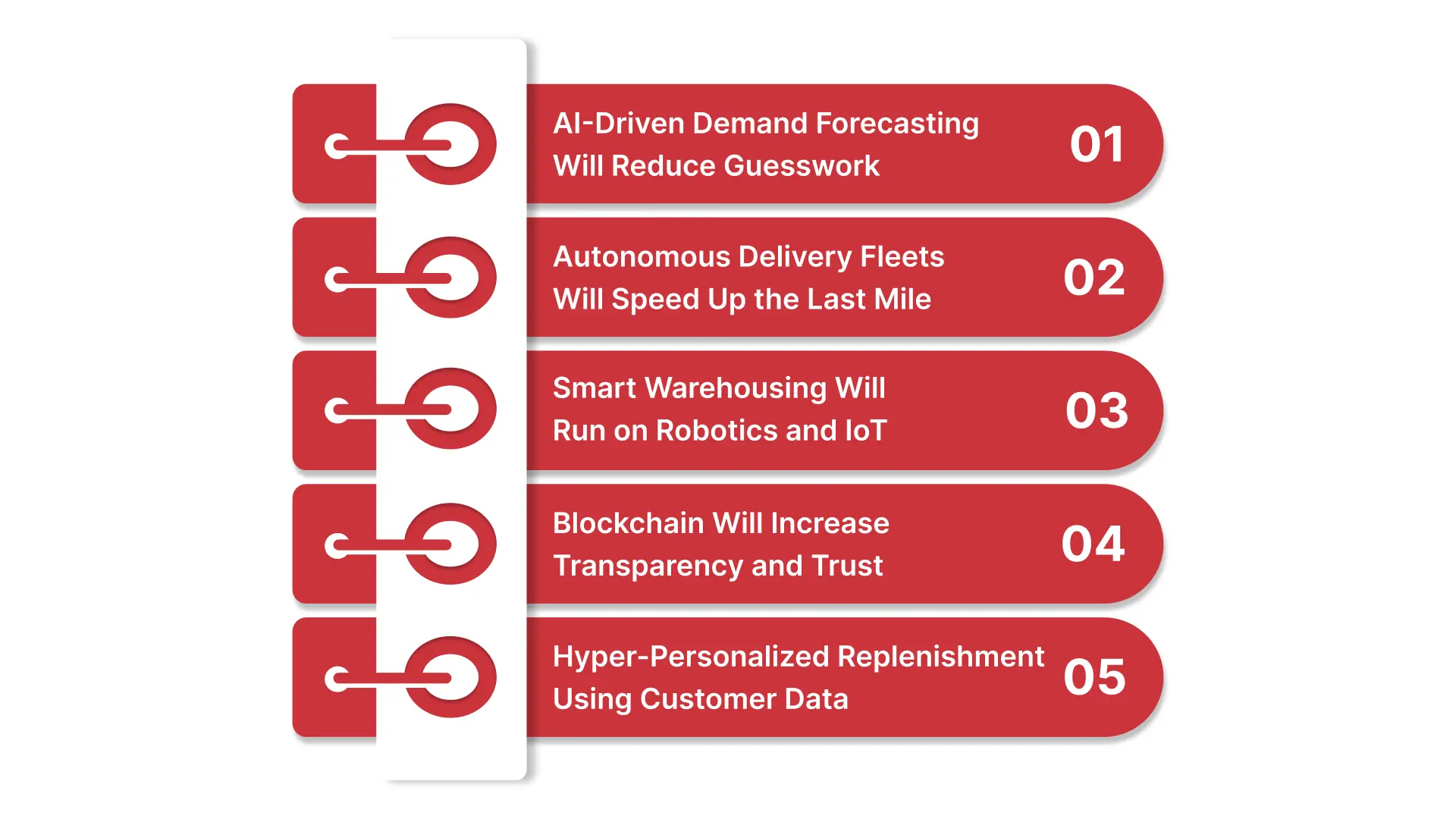
من المتوقع أن تعيد التكنولوجيا تشكيل طريقة تخطيط تجار التجزئة للمنتجات ونقلها وإدارتها. ومع تسريع رؤية 2030 لتبني الحلول الرقمية، ستدفع الموجة القادمة من الابتكار إدارة سلسلة التوريد في قطاع التجزئة نحو مزيد من السرعة والدقة والرؤية الشاملة.
فيما يلي بعض التحولات المستقبلية التي ستعيد تعريف مفهوم سلاسل التوريد الفعّالة في عام 2026.
التنبؤ بالطلب المدعوم بالذكاء الاصطناعي سيقلل من التخمين: ستعمل أدوات الذكاء الاصطناعي على تحليل أنماط الطقس، والفعاليات المحلية، وسلوك العملاء، والمبيعات السابقة للتنبؤ بالطلب بدقة شبه تامة. ولن يضطر تجار التجزئة بعد الآن إلى الاعتماد على التقديرات اليدوية.
على سبيل المثال، يمكن لتجار مستحضرات التجميل في الرياض التنبؤ بالطلب خلال أسبوع عيد الفطر حسب المنتج واللون وموقع المتجر، وملء الأرفف بالمنتجات التي يرغب بها العملاء تحديدًا.
أساطيل التوصيل ذاتية القيادة ستسرّع المرحلة الأخيرة: ستدعم الطائرات بدون طيار، والمركبات ذاتية القيادة، وروبوتات التوصيل عمليات توصيل أسرع وأكثر أمانًا، خاصة في المناطق الحضرية المكتظة.
ويمكن لأسطول من الطائرات بدون طيار توصيل المنتجات خفيفة الوزن عبر كورنيش جدة خلال دقائق، مما يقلل وقت التوصيل التقليدي بأكثر من النصف ويحسن رضا العملاء.
المستودعات الذكية ستعتمد على الروبوتات وإنترنت الأشياء: ستعمل المستودعات باستخدام روبوتات آلية لالتقاط المنتجات، وأجهزة استشعار لإنترنت الأشياء، وأنظمة تخزين متكيفة، وتوائم رقمية تحاكي العمليات في الوقت الفعلي.
وسيتمكن تجار التجزئة من القضاء على أخطاء التقاط المنتجات، وتقليل تكاليف العمالة، والانتقال من معالجة الطلبات على دفعات إلى تنفيذ مستمر على مدار الساعة طوال أيام الأسبوع، مما يعزز إدارة سلسلة التوريد في قطاع التجزئة من البداية إلى النهاية.
ستعزز تقنية البلوك تشين الشفافية والثقة: سيساعد التتبع القائم على البلوك تشين في التحقق من حركة المنتجات من المورد إلى الرف، مما يقلل من الاحتيال، والمنتجات المقلدة، والنزاعات المتعلقة بالشحنات.
ويمكن لتجار الأزياء تقديم شهادة رقمية للعملاء توضح جميع مراحل رحلة المنتج، مما يعزز الثقة في المنتجات الفاخرة والعلامات التجارية المستوردة.
إعادة التوريد فائقة التخصيص باستخدام بيانات العملاء: سيستخدم تجار التجزئة بيانات برامج الولاء، وأنماط الشراء، وسلوكيات العملاء حسب الموقع لأتمتة إعادة التوريد على مستوى المتجر. وستتم إعادة تعبئة الأرفف بناءً على مؤشرات الطلب المحلية الدقيقة.
فعلى سبيل المثال، يمكن لمتجر في الدمام اكتشاف ارتفاع الطلب على علامات تجارية محددة من الوجبات الخفيفة بين المجتمعات السكنية القريبة وإعادة توريدها قبل نفادها.
اقرأ أيضًا: هل تختفي منتجاتك الأكثر مبيعًا في المخازن؟ اختر HAL ERP!
ستدفع هذه التقنيات إدارة سلسلة التوريد في قطاع التجزئة نحو الأتمتة والذكاء وتجارب العملاء السلسة.
والآن، لنناقش كيف يمكن لـ HAL مساعدة تجار التجزئة على تبني هذه القدرات وبناء سلسلة توريد أقوى ومستعدة للمستقبل.
يوفر HAL ERP لتجار التجزئة أساسًا مترابطًا قائمًا على البيانات ويركز على العملاء، لإدارة جميع جوانب سلسلة التوريد في قطاع التجزئة بكفاءة أكبر. فهو يستبدل الأدوات المتفرقة بنظام ذكي واحد مصمم لبيئات التجزئة سريعة الحركة في جميع أنحاء المملكة العربية السعودية.
إليك كيف يعزز HAL Retail سلسلة التوريد لديك من البداية إلى النهاية:
يساعد HAL ERP تجار التجزئة على تحديث إدارة سلسلة التوريد من خلال الأتمتة، والرؤية الشاملة، والامتثال، وتحسين توافق العمليات مع احتياجات العملاء، وهي جميعًا عناصر أساسية للعمل في سوق سعودية تنافسية.
احتاجت مجموعة الحميضي، وهي سلسلة متاجر تجزئة فاخرة عريقة تضم أكثر من 80 متجرًا في جميع أنحاء المملكة العربية السعودية، إلى تحكم أقوى في الأسعار وحركة المخزون والعمليات متعددة الفروع. وكانت فرق العمل تواجه صعوبات بسبب بطء إعداد التقارير، وانفصال الأنظمة، وعدم اتساق تجارب العملاء.
بعد اعتماد HAL ERP، حصلت الشركة على رؤية فورية للعمليات، وتوحيد للمبيعات والمخزون، وسير عمل سلس متعدد القنوات، وامتثال آلي.
النتائج:
هل تؤدي تأخيرات سلسلة التوريد، أو عدم اتساق المخزون، أو مخاوف الامتثال إلى إبطاء نموك؟ تواصل معنا لمعرفة كيف يمكن لـ HAL ERP تبسيط عمليات التجزئة لديك.
%20(1).png)
أصبحت إدارة سلسلة التوريد في قطاع التجزئة اليوم محركًا أساسيًا للنمو والكفاءة ورضا العملاء. وبالنسبة لتجار التجزئة في المملكة العربية السعودية، تضمن سلسلة التوريد المبسطة إعادة التوريد بشكل أسرع، وتنفيذ الطلبات بدقة، وتحقيق ربحية مستقرة، خاصة مع توسع السوق في ظل رؤية 2030.
يعتمد تحقيق أداء قوي على فهم المكونات والاستراتيجيات الرئيسية. وتعمل عناصر مثل التنبؤ بالطلب، وتخطيط المخزون، والتنسيق مع الموردين، والتكامل متعدد القنوات معًا لضمان تدفق المنتجات بسلاسة. وعند دمجها مع الاستراتيجيات الحديثة، مثل التخطيط القائم على البيانات، والأتمتة، والتوريد المحلي، وإعادة التوريد الذكية، والرؤية الفورية، يكتسب تجار التجزئة المرونة اللازمة للمنافسة.
ومع ذلك، لا تزال هناك تحديات قائمة. فقد تؤدي مشكلات مثل عدم دقة التنبؤات، وتأخيرات الموردين، ومتطلبات الامتثال إلى إبطاء النمو. لذلك، يجب على تجار التجزئة تقييم قدرات الأنظمة، ودقة البيانات، وانضباط العمليات، والاستعداد التكنولوجي قبل تطبيق حلول جديدة، لضمان عمل سلسلة التوريد دون أي تعطّل.
إذا كانت تأخيرات سلسلة التوريد، أو فجوات المخزون، أو مشكلات الرؤية تؤثر سلبًا في نموك، فما الذي يمنعك من الترقية إلى نظام تجزئة أكثر ذكاءً؟ تواصل مع خبراء HAL الداخليين اليوم.
1. ما أكبر تحدٍ يواجهه تجار التجزئة اليوم في إدارة سلسلة التوريد؟
يتمثل أحد أكبر التحديات في الحفاظ على رؤية فورية للمخزون والموردين والخدمات اللوجستية. فمن دون بيانات دقيقة، يواجه تجار التجزئة صعوبة في التعامل مع حالات نفاد المخزون أو تكدسه. ويتطلب تعزيز إدارة سلسلة التوريد في قطاع التجزئة أنظمة متكاملة، وتنبؤات موثوقة، ومراقبة مستمرة للحفاظ على سرعة الاستجابة في سوق سريع التغير.
2. كيف تعمل برامج ERP على تحسين أداء إدارة سلسلة التوريد في قطاع التجزئة؟
تبسط أنظمة ERP العمليات من خلال توحيد بيانات المشتريات والمخزون والمستودعات والمبيعات. كما تحسن الدقة، وتعزز التنبؤ بالطلب، وتقلل الأخطاء اليدوية. وبالنسبة لتجار التجزئة، تتيح إدارة سلسلة التوريد المدعومة بأنظمة ERP اتخاذ قرارات أفضل، وإعادة التوريد بشكل أسرع، وتنسيقًا أكثر سلاسة عبر جميع القنوات.
3. كيف يمكن لتجار التجزئة في السعودية الحفاظ على الامتثال للوائح ZATCA؟
يجب على تجار التجزئة استخدام أنظمة جاهزة للفوترة الإلكترونية، والالتزام بإرشادات ضريبة القيمة المضافة، وضمان توافق السجلات الرقمية مع متطلبات المرحلة الثانية من ZATCA. وتساعد الأتمتة على تقليل مخاطر عدم الامتثال، والاستعداد لعمليات التدقيق، والحفاظ على توافق العمليات المالية مع التحديثات التنظيمية، وهو أمر مهم بشكل خاص للشركات التي تتوسع وتتعامل مع أحجام كبيرة من المعاملات.
4. ما التقنيات التي تشكل مستقبل عمليات سلسلة التوريد في قطاع التجزئة؟
تعمل تقنيات مثل التنبؤ بالطلب باستخدام الذكاء الاصطناعي، وتتبع المنتجات بتقنية RFID، والتوائم الرقمية، والتحليلات الفورية على تغيير طريقة تخطيط تجار التجزئة للمخزون ونقله. وتساعد هذه الأدوات على تقليل التأخيرات، وتحسين الدقة، وخفض التكاليف التشغيلية، مما يساعد العلامات التجارية على الحفاظ على قدرتها التنافسية في سوق تستمر فيه توقعات العملاء بالارتفاع.
5. كيف يمكن لتجار التجزئة تقليل حالات نفاد المخزون دون تكديسه؟
يساعد استخدام إعادة التوريد الآلية، والتنبؤ الدقيق بالطلب، ورؤى المبيعات الفورية على الحفاظ على توازن مستويات المخزون. ويمكن لتجار التجزئة أيضًا الاعتماد على قواعد ذكية لمخزون الأمان، والنمذجة الموسمية، والتنسيق الوثيق مع الموردين لتحقيق توافر مستمر للمنتجات دون تجميد رأس مال غير ضروري في المخزون.