

Customer engagement is evolving from automation to autonomy. يمثل الذكاء الاصطناعي الوكيلي جيلًا جديدًا من الذكاء الاصطناعي، يتمتع بالقدرة على التفكير، وتنفيذ سير عمل متعدد الخطوات، والحفاظ على السياق عبر مختلف التفاعلات، مما يتيح للأنظمة العمل بشكل مستقل بدلاً من الاكتفاء بتقديم المساعدة. ويُعيد هذا التطور تشكيل الطريقة التي تدير بها الشركات علاقاتها مع العملاء.
يمثل عام 2026 نقطة تحول واضحة. فقد بدأت المؤسسات تتجاوز روبوتات الدردشة والذكاء الاصطناعي القائم على القواعد، وتتجه نحو منصات الذكاء الاصطناعي الوكيلي القادرة على تأهيل العملاء المحتملين، وإطلاق عمليات المتابعة، وتخصيص التواصل، وحل المشكلات دون الحاجة إلى تدخل بشري مستمر. وتشير الدراسات إلى أنه من المتوقع أن تستخدم أكثر من 75% من الشركات أدوات CRM المدعومة بالذكاء الاصطناعي بحلول عام 2025، مما يسرّع التحول نحو تفاعل أكثر استقلالية.
في مجال إدارة علاقات العملاء (CRM)، يحوّل الذكاء الاصطناعي الوكيلي تفاعلات العملاء إلى سير عمل استباقي وذكي، مما يساهم في تسريع الاستجابة، وتعزيز التخصيص، وتحقيق تأثير ملموس على أداء الأعمال على نطاق واسع.
يشهد مجال إدارة علاقات العملاء تحولًا متسارعًا بفضل الذكاء الاصطناعي الوكيلي، الذي يضيف مستويات جديدة من الاستقلالية والذكاء والتنسيق على نطاق واسع. وتوضح الاتجاهات التالية كيف تعيد الأنظمة المعتمدة على الذكاء الاصطناعي تعريف تفاعل العملاء ورفع الكفاءة التشغيلية خلال عام 2026.
تنتقل خدمة العملاء من تقديم المساعدة إلى حل المشكلات بشكل مستقل بالكامل. إذ تستطيع أنظمة الذكاء الاصطناعي الوكيلي اكتشاف المشكلات، واتخاذ الإجراءات التصحيحية، وإغلاق الحالات من البداية إلى النهاية، مما يقلل زمن المعالجة ويحد من الحاجة إلى التدخل البشري.
يتيح الذكاء الاصطناعي الوكيلي تقديم تجربة موحدة عبر مختلف قنوات التواصل، مثل البريد الإلكتروني، والدردشة، والمكالمات الصوتية، ومنصات التواصل الاجتماعي. ومن خلال الحفاظ على سياق موحد، يقدم وكلاء الذكاء الاصطناعي تفاعلات متسقة ومدروسة بغض النظر عن القناة التي تبدأ منها المحادثة أو تستمر عبرها.
بالاعتماد على البيانات الفورية وتحليلات سلوك العملاء، توفر منصات CRM المدعومة بالذكاء الاصطناعي الوكيلي تفاعلات شخصية وتنبؤية بدرجة عالية. حيث تتوقع احتياجات العملاء، وتقترح أفضل الإجراءات التالية، وتطلق حملات تواصل في الوقت المناسب لتحسين معدلات التحويل والاحتفاظ بالعملاء.
في عام 2026، تعتمد منصات CRM بشكل متزايد على مجموعة من وكلاء الذكاء الاصطناعي الذين يعملون معًا عبر أقسام المبيعات والتسويق والدعم. ويتعاون هؤلاء الوكلاء خلف الكواليس لضمان تنفيذ سلس لسير عمل العملاء، مع إزالة الحواجز بين الفرق المختلفة.
اقرأ أيضًا: تأثير الذكاء الاصطناعي على أنظمة ERP: كيف يُحدث تحولًا في العمليات التجارية.

مع استمرار تطور منصات إدارة علاقات العملاء المدعومة بالذكاء الاصطناعي الوكيلي، لا تقدم جميع الحلول المستوى نفسه من الاستقلالية أو الذكاء. ويتطلب اختيار المنصة المناسبة النظر إلى ما هو أبعد من الأتمتة التقليدية، وتقييم مدى كفاءة وكلاء الذكاء الاصطناعي في التنفيذ، والتكامل، والتوسع.
يُعد مستوى الاستقلالية العامل الأهم في التمييز بين المنصات. فالحلول الرائدة قادرة على تنفيذ سير عمل متعدد الخطوات، مثل تأهيل العملاء المحتملين، وإجراء المتابعات، وحل المشكلات، دون الحاجة إلى تدخل بشري مستمر، مما يسرّع العمليات ويقلل من الأعباء اليدوية.
يعتمد نجاح الذكاء الاصطناعي الوكيلي على الوصول السلس إلى البيانات. لذلك تتكامل أفضل المنصات بعمق مع أنظمة إدارة علاقات العملاء، وأدوات التحليلات، وتطبيقات الجهات الخارجية، مما يتيح لوكلاء الذكاء الاصطناعي اتخاذ قرارات دقيقة استنادًا إلى رؤية موحدة وفورية لبيانات العملاء.
تستفيد المنصات القوية من البيانات لتقديم تفاعل شخصي وتنبؤي عالي الكفاءة، بما يشمل تخصيص المحتوى في الوقت الفعلي، وتقييم العملاء المحتملين بدقة، والتنبؤ باحتمالية فقدان العملاء، وتقديم توصيات ذكية تسهم في زيادة القيمة طويلة الأمد للعملاء.
يجب أن تكون حلول إدارة علاقات العملاء المدعومة بالذكاء الاصطناعي الوكيلي قادرة على مواكبة نمو الأعمال. وتوفر أفضل المنصات دعمًا لسير العمل المعقد في المؤسسات الكبيرة، مع الحفاظ على المرونة التي تناسب الشركات الصغيرة والمتوسطة، وإمكانية التخصيص دون الحاجة إلى عمليات تنفيذ معقدة أو مكلفة.

تمثل هذه المنصات الانتقال من الذكاء الاصطناعي المساعد إلى أنظمة الذكاء الاصطناعي الوكيلي، القادرة على التخطيط، واتخاذ القرارات، وتنفيذ المهام عبر مختلف سير العمل داخل أنظمة إدارة علاقات العملاء (CRM).
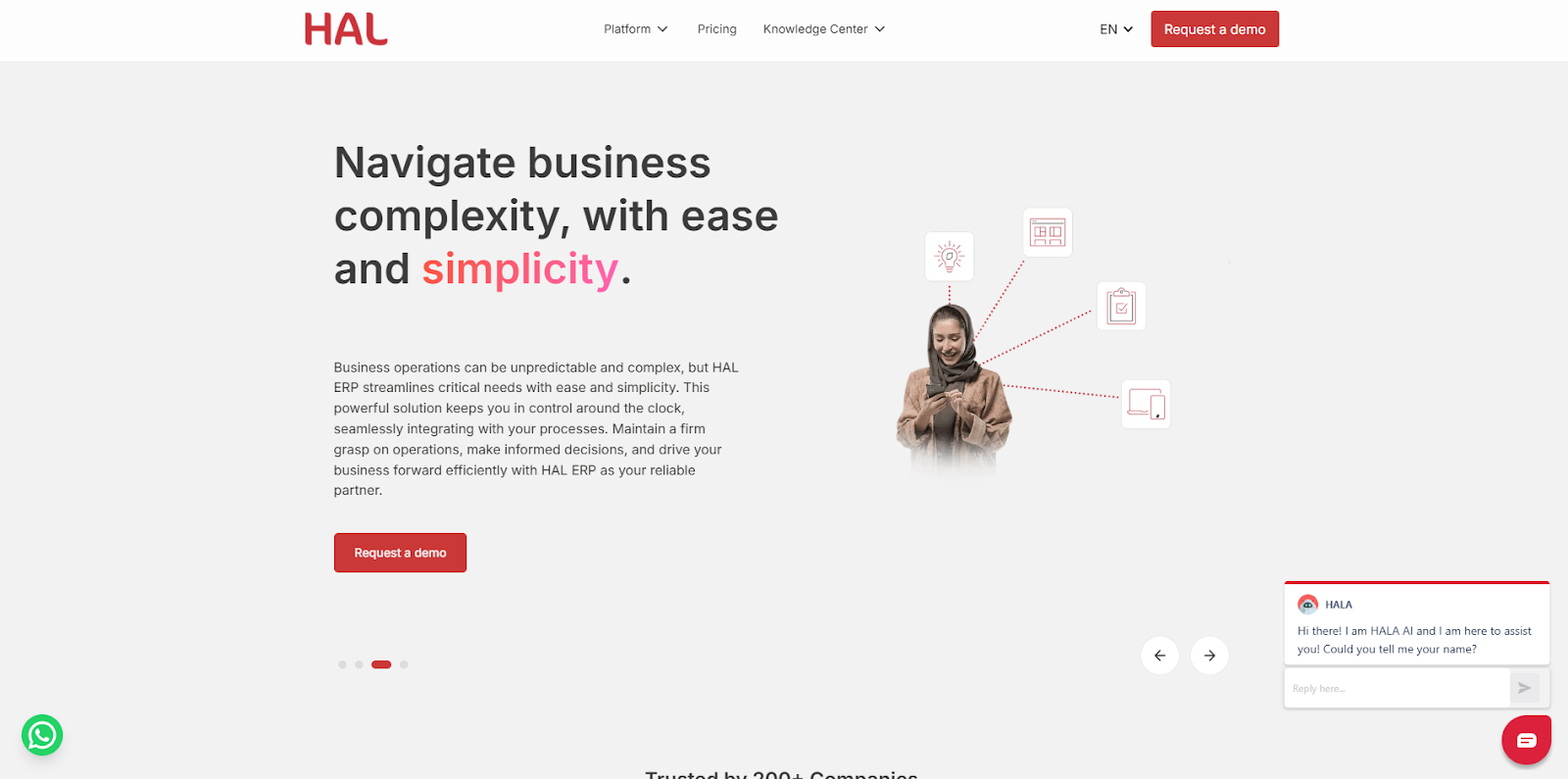
تُعد HAL منصة لإدارة علاقات العملاء (CRM) مدعومة بالذكاء الاصطناعي الوكيلي، صُممت لأتمتة تفاعل العملاء وسير العمل الداخلي عبر أقسام المبيعات والتسويق والدعم. وتركّز المنصة على تمكين وكلاء الذكاء الاصطناعي من تنفيذ الإجراءات الفعلية، وليس مجرد تقديم الرؤى، وذلك بالاعتماد على بيانات عملاء موحدة وأتمتة ذكية.
تركّز HAL على تقليل الجهد اليدوي من خلال تمكين وكلاء الذكاء الاصطناعي من إدارة العمليات متعددة الخطوات بشكل مستقل، مثل تنفيذ رحلات العملاء وسير عمل التفاعل. وهذا يجعلها خيارًا مناسبًا للفرق التي تبحث عن عمليات CRM استباقية تعتمد على الذكاء الاصطناعي، بدلاً من الاكتفاء بأدوات الأتمتة التقليدية.
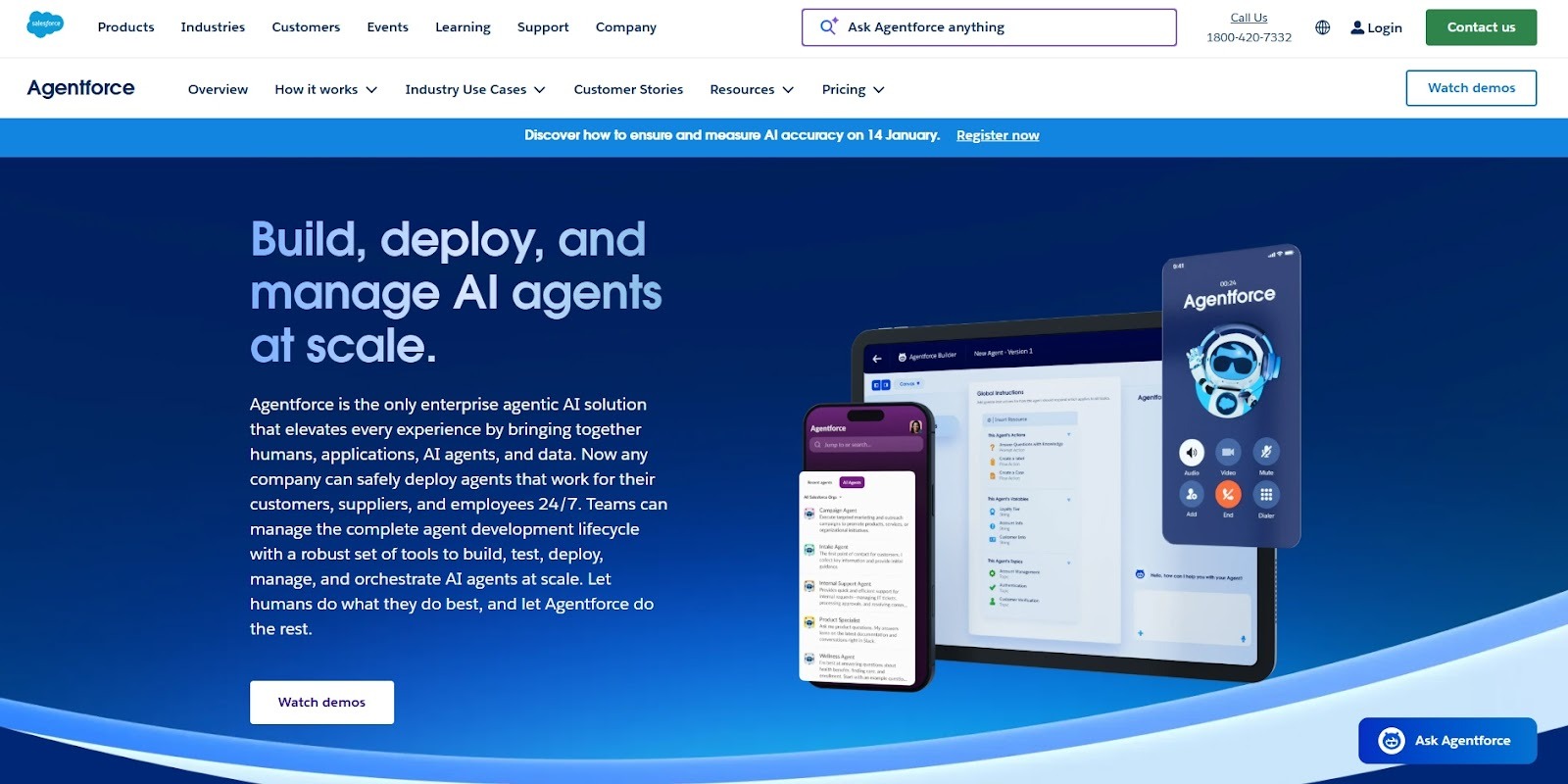
تدمج Salesforce الذكاء الاصطناعي الوكيلي من خلال Einstein وAgentforce، مما يتيح لوكلاء الذكاء الاصطناعي تحليل بيانات إدارة علاقات العملاء (CRM) واتخاذ الإجراءات اللازمة عبر سير عمل المبيعات، وخدمة العملاء، والتسويق، مباشرةً داخل منصة Salesforce.
يرتكز نهج Salesforce على دمج وكلاء الذكاء الاصطناعي بشكل عميق داخل منظومة CRM الخاصة بها، مما يتيح تنفيذ عمليات مؤتمتة ومتكاملة من البداية إلى النهاية عبر جميع الفرق التي تتعامل مع العملاء.
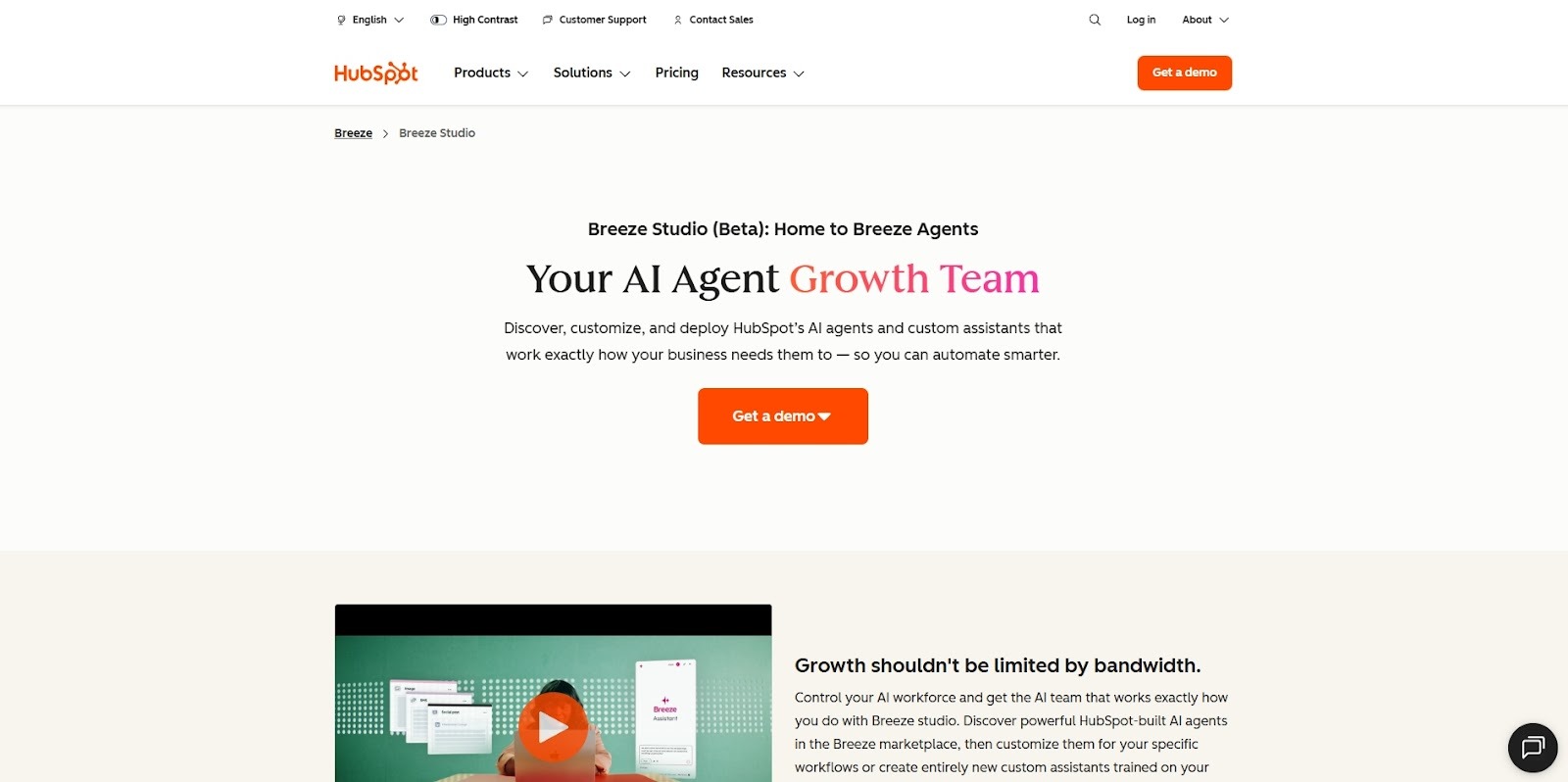
تدمج HubSpot وكلاء الذكاء الاصطناعي وBreeze Copilot داخل نظام إدارة علاقات العملاء الخاص بها لدعم التفاعل المؤتمت، وإنشاء المحتوى، وإدارة الصفقات، مع الحفاظ على البساطة وسهولة الاستخدام.
تركّز HubSpot على تقديم قدرات الذكاء الاصطناعي الوكيلي ضمن تجربة استخدام سهلة، مما يجعل سير العمل الذاتي متاحًا للفرق الصغيرة والمتوسطة دون الحاجة إلى تعقيدات تقنية كبيرة.
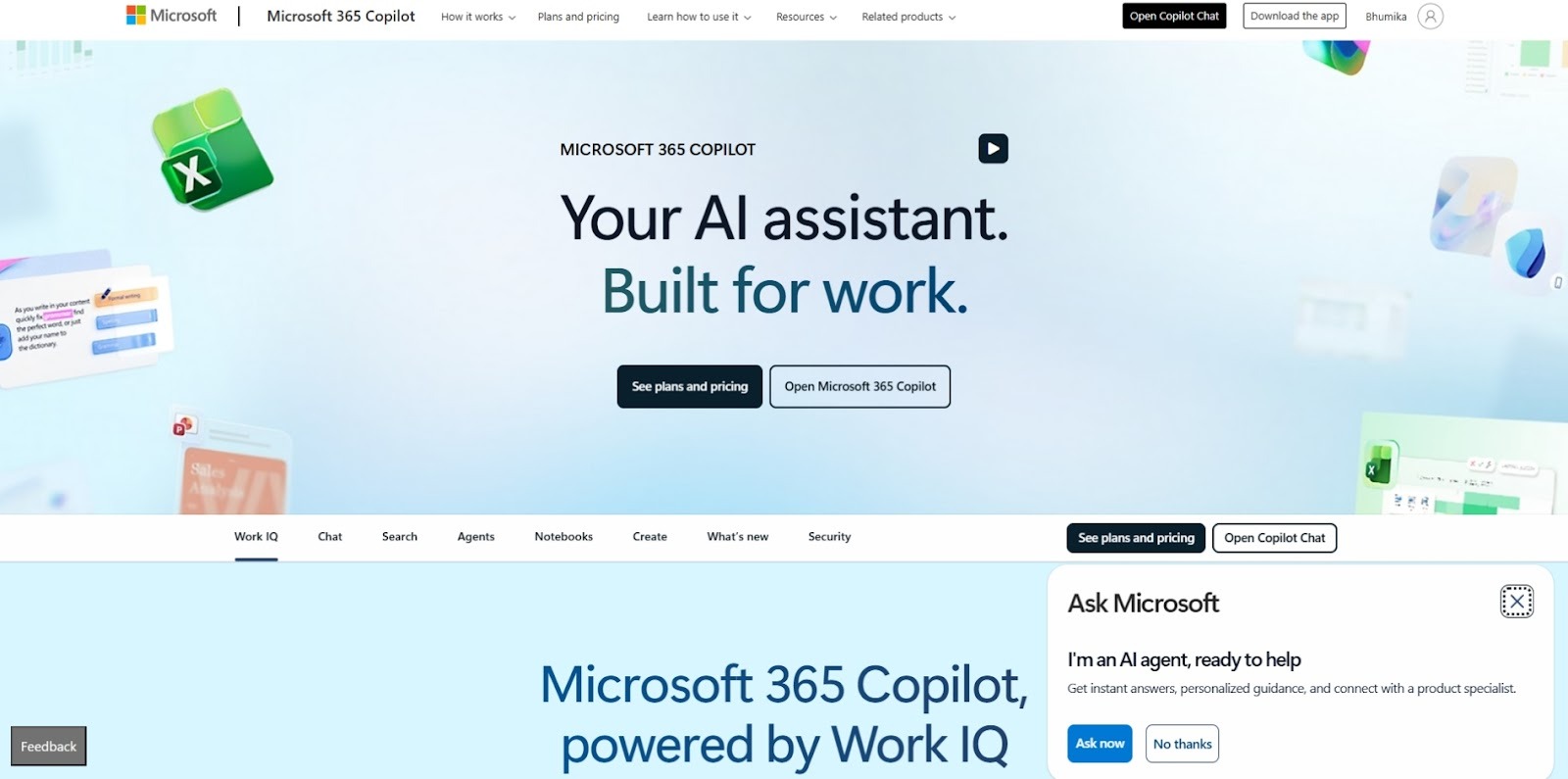
تدمج Microsoft Dynamics 365 مساعد الذكاء الاصطناعي Copilot لتمكين الإجراءات المدعومة بالذكاء الاصطناعي وكذلك العمليات شبه الذاتية عبر المبيعات وخدمة العملاء، بالاعتماد على بيانات منظومة Microsoft المتكاملة.
يمنح التكامل العميق مع Microsoft 365 وAzure وأنظمة المؤسسات Dynamics 365 ميزة قوية، مما يجعلها مناسبة بشكل خاص للمؤسسات الكبيرة التي ترغب في اعتماد الذكاء الاصطناعي الوكيلي ضمن بيئة Microsoft الحالية.
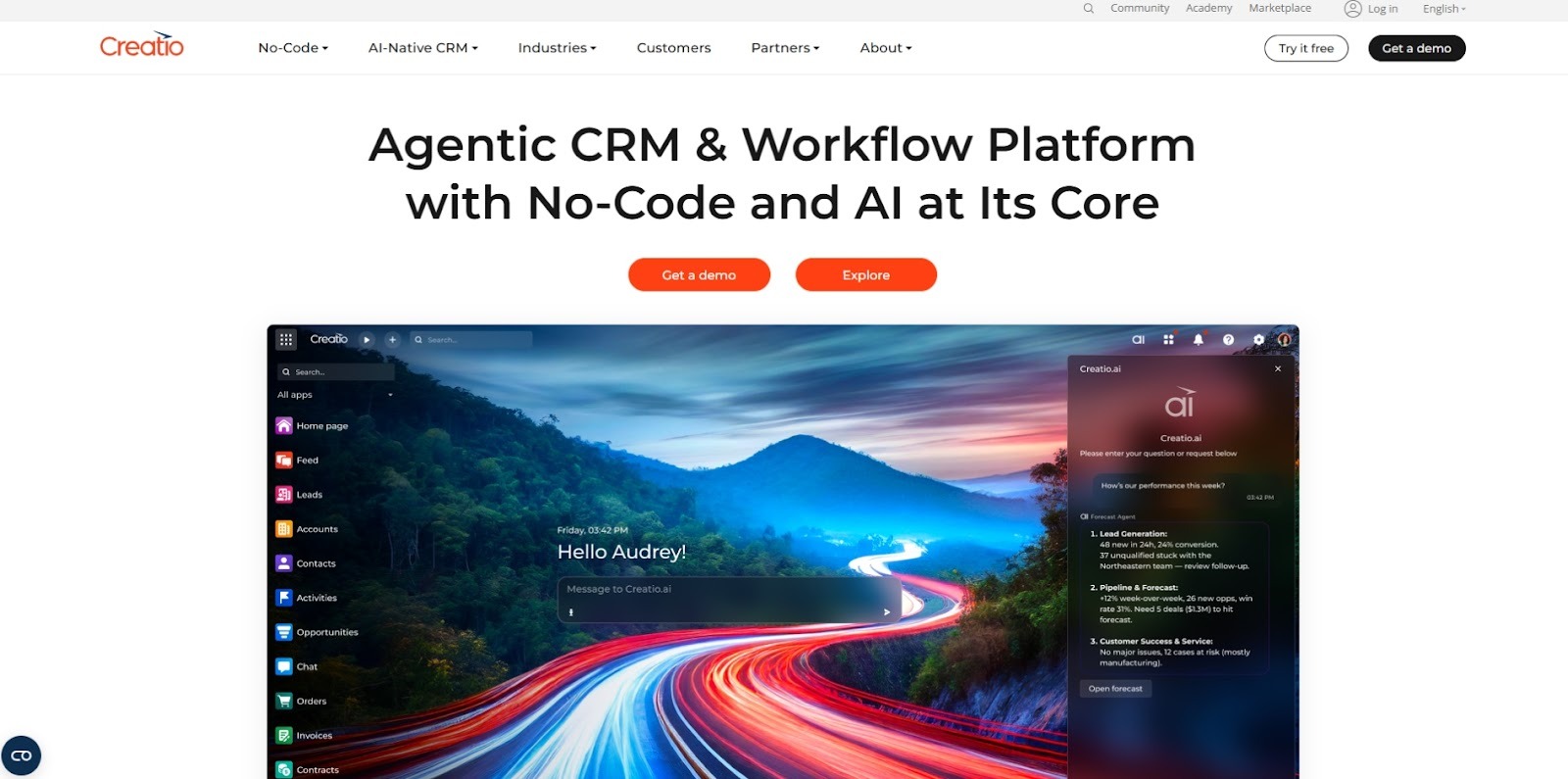
تجمع Creatio بين أتمتة العمليات منخفضة الكود والذكاء الاصطناعي، لبناء سير عمل CRM ذاتي يعتمد على الذكاء الاصطناعي عبر المبيعات والتسويق وخدمة العملاء.
تتمثل قوة Creatio في مرونتها العالية، حيث تتيح للمؤسسات تصميم وتخصيص سير عمل يعتمد على الذكاء الاصطناعي الوكيلي مع الحفاظ على التحكم الكامل في العمليات وحوكمة النظام.
اقرأ أيضًا: كيف تمكّنك منصة HAL CRM من إبرام المزيد من الصفقات
مقارنة جنبًا إلى جنب بين منصات إدارة علاقات العملاء المدعومة بالذكاء الاصطناعي الوكيلي لمساعدة المؤسسات على اختيار الحل الأنسب لعام 2026 وما بعده.
لا تعمل منصات إدارة علاقات العملاء (CRM) المدعومة بالذكاء الاصطناعي الوكيلي على تحسين الكفاءة فقط، بل تعيد تشكيل توقعات العملاء بالكامل. فمن خلال تمكين تفاعلات ذاتية واعية بالسياق، توفر هذه الأنظمة تفاعلًا أسرع وأكثر اتساقًا وعمقًا عبر مختلف مراحل رحلة العميل.
يقلل الذكاء الاصطناعي الوكيلي بشكل كبير من زمن حل المشكلات من خلال التعامل مع القضايا الروتينية بشكل مستقل.
من خلال أتمتة المهام ذات الحجم الكبير والقيمة المنخفضة، يتيح الذكاء الاصطناعي الوكيلي للفرق العمل بشكل أكثر استراتيجية.
يضمن الذكاء الاصطناعي الوكيلي استمرارية التجربة عبر جميع نقاط التواصل من خلال الحفاظ على سياق موحد.
في المجمل، تؤدي هذه التأثيرات إلى رفع مستوى رضا العملاء، وتعزيز معدلات الاحتفاظ بهم، وتمكين تفاعل قابل للتوسع، وهي مزايا أساسية للمؤسسات التي تتنافس في أسواق تعتمد بشكل متزايد على تجربة العميل.


يتطلب تبنّي أنظمة إدارة علاقات العملاء (CRM) المدعومة بالذكاء الاصطناعي الوكيلي أكثر من مجرد تفعيل ميزات جديدة؛ إذ يحتاج إلى استراتيجية تطبيق مدروسة توازن بين السرعة، وجاهزية البيانات، والتعاون البشري. تساعد التوصيات التالية المؤسسات على تحقيق أقصى استفادة مع تقليل المخاطر.
ابدأ بالتركيز على سير العمل الذي يمكن أن يحقق قيمة فورية وقابلة للقياس.
تعتمد فعالية الذكاء الاصطناعي الوكيلي بشكل كبير على جودة البيانات المتاحة له.
يعمل الذكاء الاصطناعي الوكيلي بشكل أفضل عند دمجه مع الفرق البشرية.
المؤسسات التي تعتمد نهجًا استراتيجيًا في التنفيذ—يبدأ بشكل تدريجي، ويعزز جودة البيانات، ويمكّن الفرق—تكون أكثر قدرة على الاستفادة الكاملة من إمكانات CRM المعتمد على الذكاء الاصطناعي الوكيلي.
يتحول الذكاء الاصطناعي الوكيلي بسرعة من تقنية ناشئة إلى عنصر أساسي في منصات CRM الحديثة. ومع ارتفاع توقعات العملاء وزيادة تعقيد العمليات، من المتوقع أن تعيد الوكلاء الذكيون المستقلون تعريف طريقة إدارة التفاعل على نطاق واسع.
بحلول عام 2026، من المتوقع أن تشهد أنظمة إدارة علاقات العملاء (CRM) المدعومة بالذكاء الاصطناعي الوكيلي اعتمادًا واسعًا عبر الشركات المتوسطة والمؤسسات الكبرى، خاصة في القطاعات ذات حجم التفاعل العالي مع العملاء مثل البرمجيات كخدمة (SaaS)، والتجزئة، والخدمات المالية، والرعاية الصحية، والاتصالات.
تشير Salesforce إلى أن وكلاء الذكاء الاصطناعي سيصبحون عنصرًا أساسيًا في كيفية تنسيق تجارب العملاء، من خلال تنفيذ الإجراءات، وتنسيق سير العمل، والعمل عبر الأنظمة المختلفة بدلًا من كونهم أدوات منفصلة.
وبحسب أبحاث Salesforce، يعتقد ما يقرب من 72% من قادة الأعمال أن وكلاء الذكاء الاصطناعي سيعيدون تشكيل نماذج تفاعل العملاء بشكل كبير خلال العامين المقبلين.
كما تتوقع Gartner أنه بحلول عام 2026، سيتم دعم أو حل أكثر من 80% من تفاعلات خدمة العملاء بواسطة أنظمة مدعومة بالذكاء الاصطناعي، مما يسرّع الطلب على سير عمل CRM المستقل.
هناك ثلاثة ضغوط رئيسية تقود هذا التبني الواسع:
تنتقل وكلاء الذكاء الاصطناعي المستقلون من كونهم إضافات اختيارية إلى قدرات أساسية داخل أنظمة إدارة علاقات العملاء (CRM).
تشير تقارير AIMultiple إلى أن المؤسسات التي تعتمد سير عمل قائم على الذكاء الاصطناعي الوكيلي تحقق مستوى أعلى من الأتمتة، حيث يتجاوز دور الذكاء الاصطناعي مرحلة تقديم التوصيات إلى التنفيذ المباشر للإجراءات.
في المستقبل القريب، لن تأتي الميزة التنافسية من مجرد استخدام الذكاء الاصطناعي، بل من مدى كفاءة وكلاء الذكاء الاصطناعي في:
تتطور أنظمة CRM من كونها أنظمة لتخزين المعلومات إلى أنظمة قادرة على اتخاذ الإجراءات. وستتمكن المؤسسات التي تستثمر مبكرًا في أنظمة CRM المدعومة بالذكاء الاصطناعي الوكيلي من تحقيق تفوق مستدام في السرعة والكفاءة وتجربة العملاء، بينما قد تتأخر الشركات التي تؤجل هذا التحول مع تحول الاستقلالية إلى المعيار الجديد الأساسي.

لم يعد الذكاء الاصطناعي الوكيلي مفهومًا مستقبليًا؛ بل أصبح يشكّل الأساس الجديد لتفاعل العملاء الحديث. ومع تطور منصات إدارة علاقات العملاء (CRM) من أنظمة لتسجيل البيانات إلى أنظمة لتنفيذ الإجراءات، ستكون الشركات التي تعتمد وكلاء ذكاء اصطناعي مستقلين وواعين بالسياق أكثر قدرة على تقديم حلول أسرع، وتجارب أكثر تخصيصًا، ونمو قابل للتوسع.
في عام 2026 وما بعده، لن يكون التمييز الحقيقي في ما إذا كانت الشركة تستخدم الذكاء الاصطناعي، بل في مدى كفاءة وكلاء الذكاء الاصطناعي لديها في تنفيذ سير عمل العملاء بشكل كامل من البداية إلى النهاية.
وهنا تبرز HAL بشكل واضح. فمن خلال التركيز على التفاعل المستقل، وأتمتة سير العمل الذكي، وتوحيد بيانات العملاء، تساعد HAL الفرق على الانتقال من العمليات اليدوية داخل CRM إلى تنفيذ استباقي مدعوم بالذكاء الاصطناعي عبر المبيعات والتسويق والدعم.
اطلب عرضًا توضيحيًا من HAL لاستكشاف كيفية قيام الذكاء الاصطناعي الوكيلي بتبسيط سير العمل، وتحسين تجربة العملاء، وتحقيق تأثير تجاري قابل للقياس على نطاق واسع.
تركّز روبوتات الدردشة بشكل أساسي على الرد على الاستفسارات بناءً على قواعد أو أوامر محددة مسبقًا. أما الذكاء الاصطناعي الوكيلي فيمكنه التخطيط واتخاذ الإجراءات وتنفيذ المهام بشكل كامل من البداية إلى النهاية، مثل توجيه العملاء المحتملين، أو إطلاق المتابعات، أو حل مشكلات الدعم مع الحد الأدنى من التدخل البشري.
تحقق الشركات ذات حجم التفاعل العالي مع العملاء أكبر فائدة، مثل البرمجيات كخدمة (SaaS)، والتجارة الإلكترونية، والخدمات المالية، وشركات B2B. كما تستفيد الفرق المتوسطة أيضًا من تقليل العمل اليدوي وتوسيع نطاق التفاعل بكفاءة.
لا. صُمم الذكاء الاصطناعي الوكيلي ليعزز دور الفرق البشرية وليس لاستبدالها. فهو يتولى المهام الروتينية والمتكررة، بينما يركز البشر على القرارات الاستراتيجية وبناء العلاقات وحل الحالات المعقدة.
تمكّن HAL الأتمتة المعتمدة على الذكاء الاصطناعي عبر سير عمل تفاعل العملاء من خلال وكلاء أذكياء، وبيانات عملاء مركزية، وتنفيذ متعدد القنوات. مما يساعد الفرق على العمل بشكل أكثر استباقية وكفاءة.
أفضل طريقة للبدء هي تجربة المنصة مباشرة. يمكنك طلب عرض توضيحي لرؤية كيفية توافق قدرات HAL القائمة على الذكاء الاصطناعي الوكيلي مع سير العمل وأهداف العمل الحالية لديك.