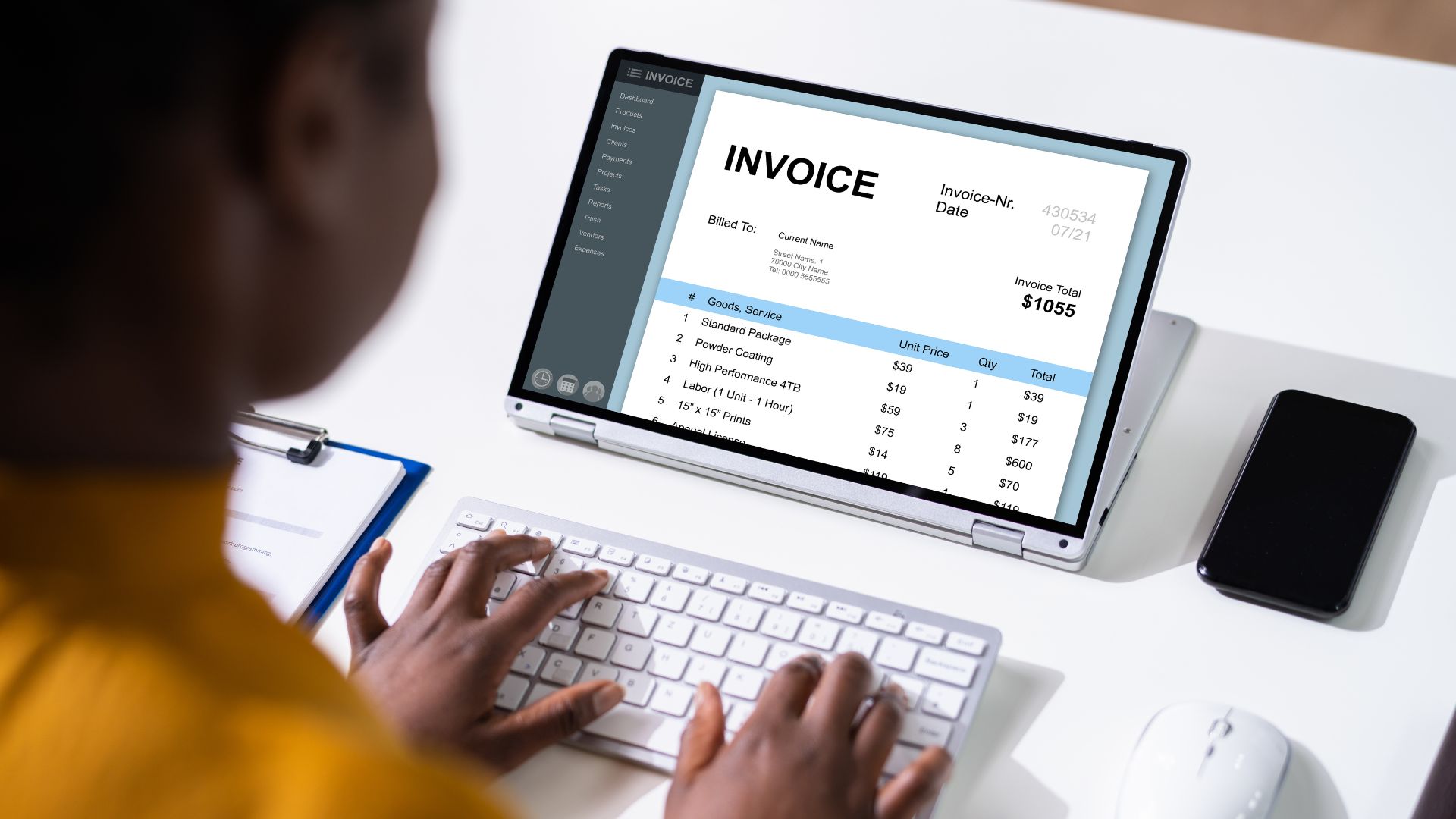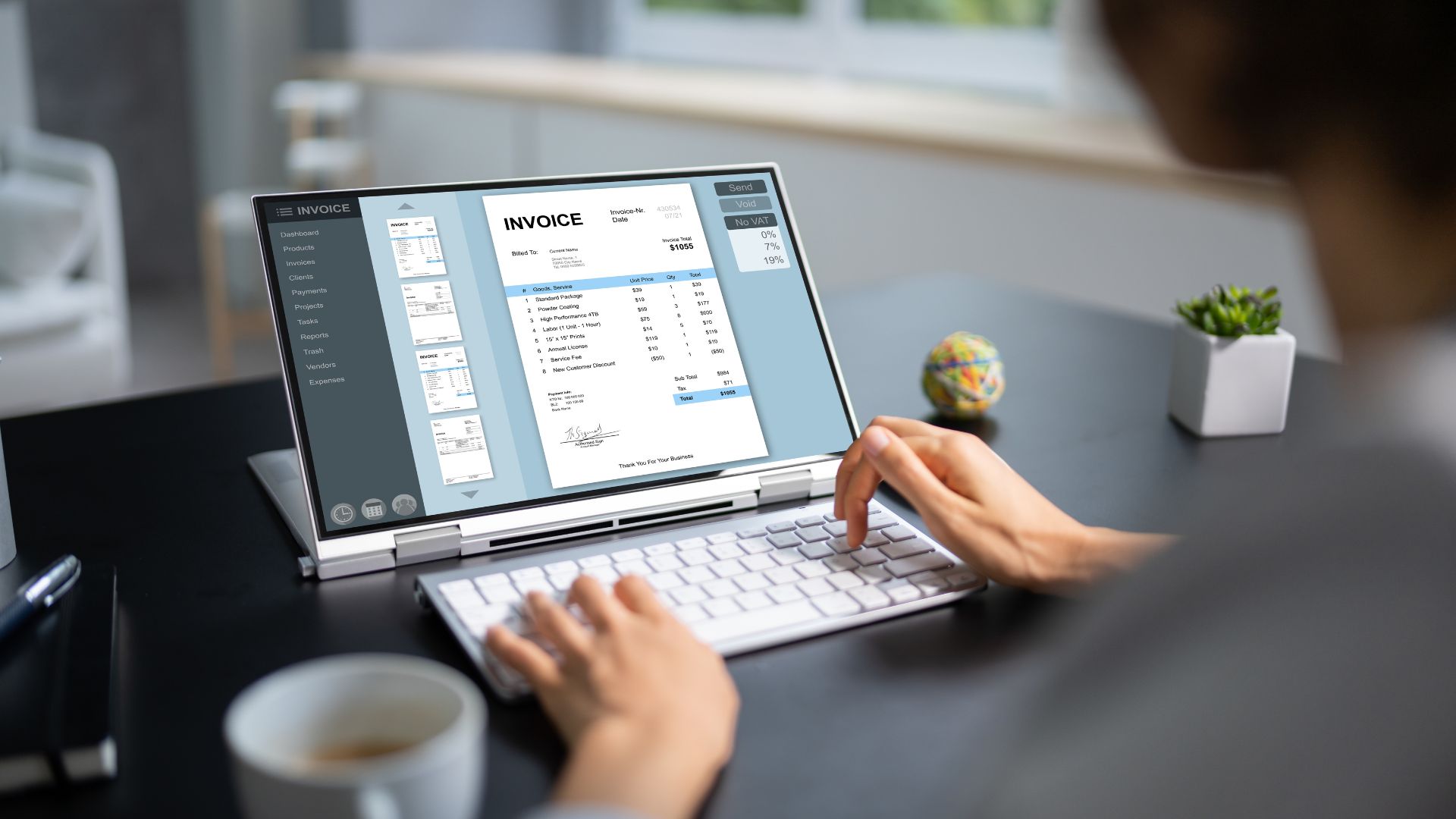
هل تحتاج إلى شهادة زكاة لعملك في المملكة العربية السعودية وتشعر بعدم اليقين من أين تبدأ؟ لست وحدك في هذا. شهادة الزكاة هي إثبات بسيط من الهيئة العامة للزكاة والدخل (زاتكا) يُظهر أن ملفات الزكاة والمدفوعات الخاصة بك في النظام. غالبًا ما تكون مطلوبة للأعمال اليومية، مثل تجديد الترخيص، فتح أو الحفاظ على حساب بنكي، التقدم للمناقصات الحكومية، أو إتمام التحقق من المستثمرين. إذا كنت مالكًا للأعمال التجارية، أو رائد أعمال، أو تدير الحسابات لشركة، فإن معرفة كيفية عمل شهادة الزكاة من زاتكا يمكن أن يوفر لك الوقت والجهد. يرشدك هذا الدليل من خلال من يحتاج إليها، ولماذا هي مهمة، وكيفية الحصول عليها خطوة بخطوة. دعنا نتعرف على كل ما تحتاج إلى معرفته حول الحصول على شهادة امتثال الزكاة الخاصة بك.
تؤكد شهادة الزكاة أن الشركة قد قدمت إقرار الزكاة وسددت جميع المستحقات. تصدرها الهيئة العامة للزكاة والدخل (زاتكا)، وهي مطلوبة من البنوك، المناقصات الحكومية، تجديد التراخيص، والتحقق من المستثمرين. للحصول على شهادة زكاة من زاتكا، يجب على الشركات التسجيل في بوابة زاتكا، تقديم الإقرار خلال 120 يومًا من نهاية السنة المالية، سداد جميع المدفوعات، والحفاظ على دقة السجلات المالية وسجلات الملكية. تحدث معظم التأخيرات بسبب البيانات المالية غير المكتملة، عدم تطابق الملكية، الزكاة غير المدفوعة، الوثائق المنتهية، أو الحسابات غير الصحيحة لقاعدة الزكاة. النزاعات المفتوحة تمنع إصدار الشهادة.
تصدر الشهادة عبر الإنترنت، وهي صالحة للسنة المالية ويجب تجديدها سنويًا. العديد من الجهات تقبل فقط شهادات السنة الحالية.
تساعد HAL الشركات في البقاء جاهزة للزكاة على مدار العام من خلال الحفاظ على بيانات المحاسبة والفواتير والامتثال نظيفة، مما يسرع من إصدار شهادات الزكاة مع تقليل الاستفسارات وعدم وجود ضغوط في اللحظة الأخيرة.

شهادة الزكاة هي وثيقة رسمية تؤكد أن عملك قد التزم بواجبات الزكاة في المملكة العربية السعودية. تُظهر أن إقرار الزكاة قد تم تقديمه وأن المدفوعات محدثة. يمكن اعتبارها كدليل على أن عملك ملتزم وفي وضع قانوني جيد.
تصدر الشهادة من الهيئة العامة للزكاة والدخل (زاتكا)، ولهذا يُطلق عليها أيضًا شهادة زاتكا. وعلى الرغم من أنها مشابهة لشهادة براءة الذمة الضريبية، إلا أنها تتعلق فقط بالزكاة ولا تشمل ضريبة الدخل الشركات أو الضرائب الأخرى.
قد تبدو شهادة الزكاة الشركات وشهادة براءة الذمة الضريبية متشابهتين، ولكنهما تخدمان أغراضًا مختلفة ضمن نظام الامتثال المزدوج في المملكة العربية السعودية.
|
Aspect |
Zakat Certificate |
Tax Clearance Certificate |
|
Issued by |
ZATCA |
ZATCA |
|
Applicable to |
Saudi & GCC-owned entities |
Foreign ownership |
|
Rate |
2.5% on zakat base |
20% on net profits |
|
Purpose |
Proof of zakat compliance |
Proof of tax compliance |
إذا كانت شركتك تمتلك ملكية مختلطة، تشمل مساهمين سعوديين / خليجيين وأجانب، فإنك تقع تحت كلا النظامين. تقوم زاتكا بحساب الزكاة على الحصة السعودية / الخليجية وضريبة الشركات على الحصة الأجنبية.
في مثل هذه الحالات، قد تحتاج إلى كلا الشهادتين لإثبات الامتثال الكامل للضرائب. غالبًا ما تطلب البنوك، والجهات الحكومية، والشركاء الكبار كلا الشهادتين معًا قبل الموافقة على العقود أو المناقصات أو المدفوعات.
إذن، كيف تعرف من يحتاج إليها؟

شهادة الزكاة التجارية ليست اختيارية في العديد من الحالات. إذا كانت شركتك تعمل في المملكة العربية السعودية، فمن المحتمل أن تحتاج إليها في مرحلة ما خلال العام، وغالبًا عندما لا تتوقعها. تحدث معظم طلبات شهادة الزكاة لأن عملية معينة لا يمكن أن تستمر دونها.
إليك الحالات التي تكون فيها شهادة الزكاة إلزامية:
تقديم الطلب مبكرًا: تحدث العديد من التأخيرات لأن الشركات تنتظر حتى آخر لحظة، عندما تكون البنوك أو السلطات قد دخلت بالفعل في العملية.
ليس كل كيان يحتاج إلى شهادة زكاة. تشمل الإعفاءات:
حتى إذا كنت تعتقد أنك معفي، من الأفضل أن تحتفظ بالوثائق اللازمة جاهزة. قد تطلب البنوك والهيئات الحكومية إثباتًا للامتثال في بعض الحالات.

قبل أن تبدأ في تقديم طلب شهادة الزكاة، من المفيد تحضير كل شيء مسبقًا. تحدث معظم التأخيرات بسبب نقص صغير في متطلبات بوابة زاتكا.
المتطلبات الأساسية التي يجب أن تلتزم بها:
نصيحة: قم بتحميل مستندات واضحة ومحدثة. حتى التناقضات الصغيرة في الأسماء أو تفاصيل الملكية يمكن أن تؤدي إلى تأخير في الموافقة.
اقرأ أيضًا: الفوترة الإلكترونية من زاتكا في المملكة العربية السعودية: كيفية إبقاء عملك جاهزًا


الحصول على شهادة الزكاة لا يجب أن يكون محبطًا. بمجرد ترتيب الملفات والمدفوعات، يحدث الباقي عبر الإنترنت. اتبع هذه الخطوات، وستعرف بالضبط كيفية الحصول على شهادة الزكاة، تتبعها، وتنزيلها بدون تخمين.
ابدأ بزيارة zatca.gov.sa. من القائمة العلوية، افتح الخدمات الإلكترونية وقم بتسجيل الدخول إلى بوابة زاتكا باستخدام رقم التسجيل الضريبي (TRN) وكلمة المرور الخاصة بك. إذا كانت المصادقة الثنائية مفعلة، أكمل هذه الخطوة للوصول إلى لوحة التحكم الخاصة بك.
تحقق سريع: تأكد دائمًا من أنك على الموقع الرسمي zatca.gov.sa قبل إدخال بياناتك. إذا كنت قد نسيت كلمة المرور، قم بإعادة تعيينها باستخدام التحقق عبر الرسائل القصيرة. إذا كان حسابك مغلقًا، يمكن دعم زاتكا مساعدتك عبر الرقم 19993.
بمجرد دخولك إلى لوحة التحكم، اذهب إلى خدمات الزكاة. من هناك، افتح الشهادات والتصاريح واختر شهادة امتثال الزكاة.
يمكنك أيضًا استخدام شريط البحث وكتابة اسم الشهادة، فهذا يساعدك في الوصول إليها بسرعة.
قبل أن تتمكن من طلب الشهادة، يتحقق النظام من سجلاتك تلقائيًا. يقوم بالتحقق مما إذا كانت إقرارات الزكاة قد تم تقديمها، والمدفوعات مكتملة، ولا توجد التزامات معلقة.
إذا كانت الحالة باللون الأخضر، فهذا يعني أنه يمكنك المتابعة. إذا ظهرت تحذيرات أو أخطاء، لا داعي للقلق. عادة ما يشير ذلك إلى مشكلة واضحة، مثل رصيد غير مدفوع أو إقرار مفقود. قم بحل تلك المشكلة أولًا، ثم عد لطلب الشهادة.
إذا كانت إقرارك تحت المراجعة، قد تحتاج إلى الانتظار حتى يتم الانتهاء من التقييم.
الآن ستملأ نموذج طلب قصير. يتضمن اسم شركتك، رقم التسجيل الضريبي (TRN)، رقم السجل التجاري (CR)، السنة المالية، والسبب الذي يجعلك بحاجة إلى الشهادة، مثل طلب من البنك، تقديم مناقصة، أو تجديد رخصة.
خذ لحظة هنا. اختيار الغرض الصحيح مهم، خاصة بالنسبة للبنوك والجهات الحكومية.
الخطوة 5: تحميل الوثائق (إذا طُلبت)
في بعض الحالات، ستطلب زاتكا مستندات داعمة. قد تكون رسالة من البنك، إشعار مناقصة، أو توكيل إذا كان شخص آخر يتقدم بالطلب نيابة عنك.
قم بتحميل ملفات PDF واضحة. يفضل أن تكون باللغة العربية، ولكن عادة ما يتم قبول الإنجليزية. المسح الضوئي ذو الجودة المنخفضة هو سبب شائع للتأخير.
قبل النقر على "إرسال"، تحقق من جميع التفاصيل. تأكد من صحة بيانات الاتصال الخاصة بك وتأكد من إرفاق جميع الوثائق. بمجرد الإرسال، ستتلقى رقم مرجعي.
احتفظ به. ستحتاج إليه لتتبع طلبك.
يمكنك تتبع تقدم طلبك مباشرة داخل بوابة زاتكا. ستتلقى أيضًا تحديثات عبر الرسائل القصيرة والبريد الإلكتروني عندما ينتقل طلبك من المراجعة إلى الموافقة.
يتم معالجة معظم الطلبات في غضون 2 إلى 5 أيام عمل.
بمجرد الموافقة عليها، عد إلى البوابة وافتح "شهاداتي". ستكون شهادة الزكاة جاهزة للتنزيل بصيغة PDF.
تشمل تفاصيل شركتك، السنة المالية المغطاة، فترة الصلاحية، ورمز QR يمكن لأي شخص مسحه للتحقق منها.
افتح الشهادة وتحقق من جميع التفاصيل بعناية. امسح رمز الـ QR. تأكد من التواريخ والختم الرقمي.
احفظ نسخة رقمية، اطبع بعض النسخ إذا لزم الأمر، وشاركها مع فريقك المالي أو القانوني. ضع تذكيرًا للتجديد حتى لا تجد نفسك في عجلة من أمرك في العام المقبل.

شهادة الزكاة ليست مستندًا لمرة واحدة. إنها محددة بفترة زمنية، ومعرفة مدة صلاحيتها يساعدك على تجنب المفاجآت في اللحظات الأخيرة.
عادةً ما تكون صلاحية شهادة الزكاة مرتبطة بالسنة المالية التي أصدرت من أجلها. في معظم الحالات، تنتهي صلاحيتها بنهاية تلك السنة المالية أو بعد 12 شهرًا من تاريخ الإصدار، أيهما أقرب.
ومع ذلك، يمكن أن يختلف مدى قبولها من قبل الآخرين. العديد من الهيئات الحكومية والبنوك تعتبر الشهادة "سارية" فقط لمدة 3 إلى 6 أشهر، خاصة في المناقصات والموافقات المالية.
بعض النقاط التي يجب وضعها في الاعتبار:
لا يمكنك تجديد شهادة الزكاة مبكرًا بمجرد الضغط على زر. التجديد يعتمد على تقديم إقرار الزكاة للسنة المالية الجديدة.
متى تبدأ: من الأفضل التخطيط لتجديد شهادة الزكاة قبل 60 يومًا من تاريخ انتهائها. هذا يتيح لك الوقت الكافي لتقديم الإقرار وحل أي مشاكل دون ضغط.
ما الذي يجب أن يحدث أولًا: قبل أن تتمكن من تجديد شهادة الزكاة، يجب عليك:
كيف يعمل التجديد: بمجرد تقديم الزكاة للسنة الجديدة ودفع المبالغ المطلوبة، يمكنك تقديم طلب للحصول على شهادة جديدة عبر بوابة زاتكا بالطريقة نفسها التي فعلت بها في المرة الأولى. عند إصدار الشهادة الجديدة، تنتهي صلاحية الشهادة القديمة تلقائيًا.
إذا كنت تشارك في مناقصات أو تتعامل مع البنوك بانتظام، تأكد دائمًا من أن لديك الشهادة الأحدث جاهزة. الانتظار حتى يأتيك الطلب هو أسرع طريقة للتعرض للمشاكل.
قبل أن تضغط على "تقديم"، هناك سؤال يطرحه الجميع تقريبًا.
الشهادة الزكاة نفسها مجانية. لا توجد رسوم من زاتكا لتقديم طلب شهادة الزكاة أو تنزيل الشهادة. هي مستند امتثال، وليست خدمة مدفوعة.
أما التكاليف فتظهر في كل ما يحيط بالشهادة، مثل تكاليف تقديم الإقرارات الضريبية، أو دفع الزكاة المستحقة، أو أي رسوم إضافية مرتبطة بالمستندات الداعمة أو الخدمات الاستشارية التي قد تحتاج إليها.
الزكاة تحسب بنسبة 2.5% من القاعدة الزكوية الخاصة بك. المبلغ النهائي يعتمد على أصول الشركة، التزاماتها، وهيكل الملكية. هذه ليست رسوم ثابتة، بل تختلف من شركة لأخرى.
إليك حيث تنفق معظم الشركات الأموال، خاصة إذا لم تكن معتادة على حسابات الزكاة أو تقديم إقرارات زاتكا:
|
Cost Type |
When You’ll Need It |
|
Accounting support |
Basic zakat calculation and filing |
|
Tax consultant |
Mixed ownership or complex structures |
|
Document translation |
Arabic versions of financials or legal docs |
العديد من الشركات النامية الآن تقلل هذه التكاليف باستخدام أنظمة تحافظ على أرقامها جاهزة لزاتكا طوال العام، وليس فقط في وقت تقديم الإقرارات. أدوات ERP مثل HAL تساعد الشركات الصغيرة والمتوسطة في إدارة المحاسبة، والامتثال، والتقارير في مكان واحد، بحيث لا تكون حسابات الزكاة أمرًا متعجلًا في اللحظة الأخيرة.
لنلقي نظرة على مثال واقعي من المملكة العربية السعودية.

الحرم، وهي سلسلة تجزئة سعودية كبيرة تضم ثمانية متاجر وحجم معاملات يومية مرتفع، كانت بحاجة للامتثال لمتطلبات زاتكا الصارمة دون التأثير على نظام ERP الحالي أو العمليات اليومية. بينما كان الدافع المباشر لهم هو الفوترة الإلكترونية من زاتكا (فاتورة)، كانت التحديات الأساسية أكبر، وهي البقاء جاهزًا للتدقيق ومتوافقًا مع جميع متطلبات زاتكا، دون الحاجة لإعادة بناء كامل للبنية المالية كل عام.
كان على الحرم أن:
هل يبدو هذا مألوفًا؟ هذه هي نفس المشكلة التي تواجهها العديد من الشركات عند التقدم للحصول على شهادة الزكاة. أنظمة غير مخصصة للامتثال، البيانات مبعثرة، والمواعيد النهائية ضاغطة للغاية.
تم تنفيذ حل HAL ERP للضريبة على القيمة المضافة (VAT Care) بهدف واضح: جعل الامتثال لزاتكا جزءًا من العمليات اليومية، وليس حالة طارئة سنوية.
ما الذي جعل الفارق:
اقرأ أيضًا: الفوترة الإلكترونية من زاتكا في المملكة العربية السعودية: كيفية الحفاظ على جاهزية أعمالك
بمجرد أن يصبح كل شيء جاهزًا، عادة ما يكون العملية سلسة. ولكن هناك بعض الأخطاء الشائعة التي قد تبطئ الأمور.

حتى الأخطاء الصغيرة يمكن أن تمنع إصدار شهادة الزكاة. هذه هي الأخطاء الأكثر شيوعًا التي تواجهها الشركات:
زاتكا لن تصدر شهادة الزكاة إذا كانت هناك نزاعات مفتوحة، تعديلات معلقة، أو رصيد غير مدفوع في حسابك. تأكد دائمًا من تسوية هذه القضايا قبل تقديم الطلب.
إذا كانت شهادات الزكاة تشعرك بالتوتر أو عدم القدرة على التنبؤ، فغالبًا ليس السبب هو القوانين نفسها، بل الأنظمة التي تدير الأرقام التي لا تم تصميمها للامتثال لزاتكا. يساعد HAL الشركات السعودية في الابتعاد عن الحلول في اللحظات الأخيرة والتوجه نحو الاستعداد طوال العام.
مع HAL، يمكن لشركاتك إدارة الامتثال بدون الحاجة للتنقل بين أدوات متعددة:
عندما تتحدث أنظمة المحاسبة والفوترة والامتثال بلغة زاتكا، تصبح شهادات الزكاة خالية من أي صداع سنوي. تقدم الطلب، قم بالتنزيل، وامضِ قدمًا بثقة.
اقرأ أيضًا: كيف يمكن للشركات الصغيرة والمتوسطة في السعودية الاتصال ببوابة فواتير؟
شهادة الزكاة ليست مجرد أوراق رسمية. في السعودية، غالبًا ما تكون هي ما يحافظ على سير الأعمال اليومية، سواء كنت تجدد رخصة، تتعامل مع بنك، تقدم عرضًا لمناقصة، أو تستقطب مستثمرًا جديدًا.
عندما يحدث شيء خاطئ، مثل التفاصيل المفقودة أو تقديم الإقرارات المتأخر، فإن ذلك لا يؤدي فقط إلى تأخير الشهادة، بل يسبب ضغطًا غير ضروري ويبطئ كل شيء.
الجزء الجيد هو أن معظم هذه المشاكل يمكن تجنبها. عندما تكون سجلاتك منظمة، والمدفوعات محدثة، وكل شيء يتماشى مع متطلبات زاتكا، تصبح عملية الحصول على شهادة الزكاة خطوة بسيطة.
إذا كنت قد سئمت من متابعة التصحيحات أو القلق بشأن الموافقات كل عام، قد يكون الوقت قد حان لتصحيح العملية من وراء الكواليس. HAL يساعد الشركات على البقاء جاهزة لزاتكا طوال العام، بحيث عندما تحتاج إلى شهادة الزكاة، تكون في متناول اليد.
شاهد كيف يمكن لـ HAL جعل الامتثال للزكاة أسهل لك. احجز عرضًا سريعًا لفهم كيف يمكن لتقديم الإقرارات بشكل أكثر سلاسة وحفظ السجلات بشكل أفضل أن يوفر لك الوقت والجهد والتوتر كل عام.
هل شهادة الزكاة إلزامية لجميع الشركات في السعودية؟
نعم، شهادة الزكاة إلزامية للشركات السعودية والخليجية التي تقع تحت تنظيمات الزكاة. تصبح ضرورية عندما تتعامل الشركة مع البنوك أو الجهات الحكومية أو المستثمرين أو السلطات المرخصة.
هل يمكنني التقدم للحصول على شهادة الزكاة عبر الإنترنت في السعودية؟
نعم، يمكن للشركات التقدم للحصول على شهادة الزكاة عبر الإنترنت من خلال بوابة زاتكا الرسمية بعد تقديم إقرار الزكاة وتسوية جميع المستحقات.
كم من الوقت يستغرق إصدار شهادة الزكاة من زاتكا؟
إذا لم تكن هناك مدفوعات معلقة أو اختلافات في السجلات، تقوم زاتكا عادةً بإصدار شهادة الزكاة في غضون بضعة أيام عمل. تحدث التأخيرات عندما تتطلب السجلات مراجعة أو توضيحًا.
ماذا يحدث إذا تم رفض طلب شهادة الزكاة؟
تقدم زاتكا سبب الرفض، مثل المستحقات غير المدفوعة أو اختلافات في السجلات. بمجرد حل المشكلة، يمكنك إعادة تقديم الطلب عبر البوابة.
هل تقبل البنوك الشهادات الرقمية للزكاة؟
نعم. البنوك والمؤسسات المالية في السعودية تقبل شهادات الزكاة الرقمية التي يتم تنزيلها من بوابة زاتكا، خاصة عندما تحتوي على تفاصيل التحقق أو رموز QR.
كيف يمكن للشركات تجنب الاستفسارات المتكررة من زاتكا أثناء إصدار الشهادة؟
تقلل الشركات من الاستفسارات عن طريق الحفاظ على تحديث البيانات المالية، وتوافق تفاصيل الملكية، والالتزام بتقديم الإقرارات بشكل منتظم. يساعد استخدام الأنظمة مثل HAL في الحفاظ على سجلات جاهزة لزاتكا طوال العام.