

نادرًا ما تبدأ مشاكل الإنتاج على أرضية المصنع. عادةً ما تبدأ بسبب سوء التخطيط. عندما تكون توقعات الطلب غير واضحة، أو تصل المواد متأخرة، أو تبقى الآلات متوقفة بانتظار التعليمات، يتباطأ الإنتاج وترتفع التكاليف بسرعة.
تأثير التخطيط الفعّال كبير. تُظهر الأبحاث أن المصنّعين الذين يعتمدون التخطيط التشغيلي المتقدم وأنظمة الإنتاج الرقمية يمكنهم تحقيق زيادات تتراوح بين 10% و30% في الإنتاجية، وتحسينات بين 15% و30% في إنتاجية العمالة.
توضح هذه التحسينات لماذا أصبح تخطيط الإنتاج تخصصًا أساسيًا في التصنيع الحديث.
في هذه المدونة، ستتعرف على ما هو تخطيط الإنتاج، والأنواع والاستراتيجيات المختلفة التي يستخدمها المصنّعون، والخطوات المتبعة لإنشاء خطة إنتاج فعّالة، والفوائد التشغيلية التي تحققها الشركات من تطبيق عمليات تخطيط منظمة.
تخطيط الإنتاج هو عملية تنظيم كيفية تصنيع المنتجات من خلال تحديد ما الذي يجب إنتاجه، وكمية الإنتاج، ومتى يجب أن يتم، وما هي الموارد المطلوبة. يضع هذا التخطيط تصورًا للعمليات والمواد والعمالة والمعدات اللازمة لتحويل المواد الخام إلى منتجات نهائية بأعلى قدر ممكن من الكفاءة.
في عمليات التصنيع، يعمل تخطيط الإنتاج كمخطط أساسي يربط بين طلب العملاء وسعة الإنتاج. يبدأ بتقدير الطلب، ثم يحدد الخطوات اللازمة لتلبيته، بما في ذلك تأمين المواد الخام، وتخصيص الآلات والقوى العاملة، وجدولة أنشطة الإنتاج.
عادةً ما تحدد خطة الإنتاج الجيدة عدة عناصر أساسية:
عند التخطيط لهذه المكونات بعناية، يمكن للشركات متوسطة الحجم في المملكة العربية السعودية الحفاظ على عمليات تصنيع أكثر سلاسة، وتقليل تأخيرات الإنتاج، وضمان توفر المنتجات النهائية عندما يحتاجها العملاء.

بهذه الطريقة، يُعدّ تخطيط الإنتاج الإطار التشغيلي الذي يحافظ على تنظيم أنشطة التصنيع، وقابليتها للتنبؤ، وتوافقها مع الطلب.

رسم توضيحي بديل
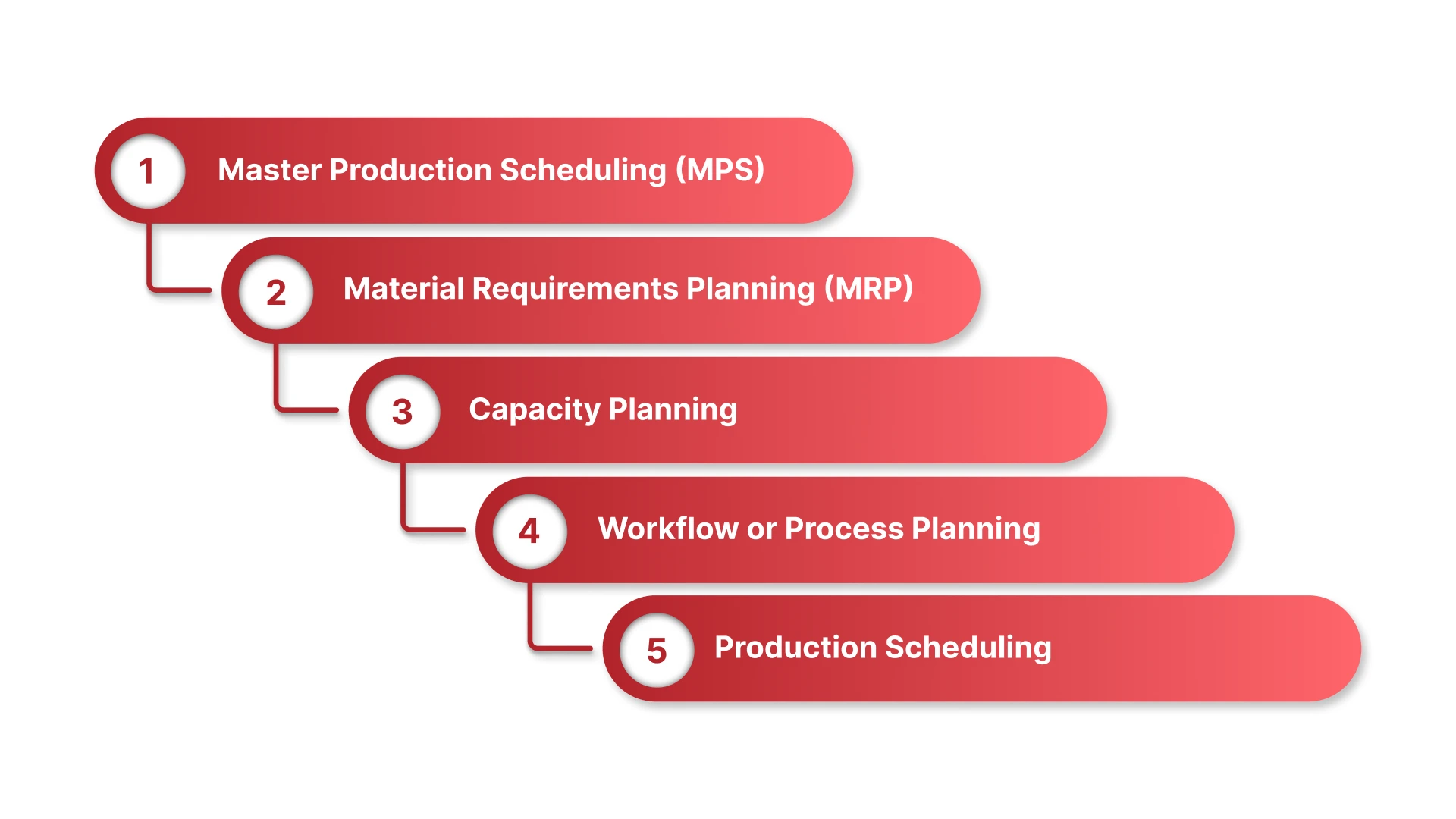
يمكن أن يأخذ تخطيط الإنتاج أشكالًا مختلفة حسب حجم عمليات التصنيع، وتعقيد المنتجات، ومستوى عدم اليقين في الطلب. يركز كل نوع على جانب محدد من تنظيم أنشطة الإنتاج، مثل التخطيط طويل الأجل للطلب، أو تخصيص الموارد، أو جدولة مهام التصنيع.
فيما يلي بعض الأنواع الرئيسية لتخطيط الإنتاج المستخدمة عادةً في بيئات التصنيع:
تحدد الجدولة الرئيسية للإنتاج الأهداف العامة لإنتاج السلع النهائية خلال فترة تخطيط محددة.
الوظائف الرئيسية للجدولة الرئيسية للإنتاج:
تُعد MPS طبقة التخطيط المركزية التي تربط بين توقعات الطلب وقرارات التصنيع التشغيلية.
يركز تخطيط متطلبات المواد على ضمان توفر المواد والمكونات المناسبة في الوقت المناسب للإنتاج.
الأدوار الرئيسية لـ MRP في تخطيط الإنتاج:
من خلال مواءمة المشتريات مع جداول الإنتاج، يساعد MRP في الحفاظ على استمرارية عمليات التصنيع.
3. تخطيط السعة
يقوم تخطيط السعة بتقييم ما إذا كانت الموارد الإنتاجية المتاحة كافية لتلبية الطلب المتوقع.
الاعتبارات الرئيسية في تخطيط السعة:
يضمن تخطيط السعة أن تكون أهداف الإنتاج قابلة للتحقيق ضمن الحدود التشغيلية.
يركز تخطيط سير العمل على تصميم كيفية انتقال العمل عبر عملية التصنيع.
الجوانب المهمة في تخطيط سير العمل:
تضمن هذه الطبقة من التخطيط تنظيم أنشطة الإنتاج بشكل منطقي وفعّال داخل المصنع.
تحدد جدولة الإنتاج متى يجب تنفيذ كل نشاط إنتاجي وتقوم بتخصيص الموارد وفقًا لذلك.
العناصر الأساسية لجدولة الإنتاج:
تساعد الجدولة الفعّالة في الحفاظ على سير عمليات التصنيع بسلاسة مع ضمان الالتزام بمواعيد التسليم.
اقرأ أيضًا: دليل عملي لتقنيات تحسين المخزون وفوائدها للأعمال
تشكل هذه الأساليب في تخطيط الإنتاج معًا نظامًا منسقًا يوجّه عمليات التصنيع من التخطيط الاستراتيجي إلى التنفيذ اليومي.
يتضمن إنشاء خطة إنتاج عدة خطوات منظمة تساعد على تنظيم الطلب والموارد وسير العمل التشغيلي. الهدف هو ضمان تصنيع المنتجات بالكميات المناسبة وتسليمها في الوقت المحدد مع استخدام الموارد بكفاءة. فيما يلي الخطوات الرئيسية التي يتم اتباعها عادةً في عملية تخطيط الإنتاج:
ابدأ بتقدير ما من المرجح أن يطلبه العملاء ومتى سيحتاجون إلى تلك المنتجات. يساعد التنبؤ بالطلب الشركات على فهم متطلبات الإنتاج لتجنب إنتاج مخزون زائد أو الفشل في تلبية احتياجات العملاء. يمكن أن تكشف بيانات المبيعات التاريخية ورؤى سلسلة التوريد عن أنماط الشراء التي تساعد في وضع توقعات دقيقة.
بعد ذلك، قم بمراجعة الموارد المتاحة مثل الآلات، ومرافق الإنتاج، وقدرة القوى العاملة. إن فهم مقدار ما يمكن لمعداتك وفريقك إنتاجه بشكل واقعي يتيح لك تحديد القيود التشغيلية وتعديل خطط الإنتاج وفقًا لذلك.
حدد التكاليف المتوقعة للإنتاج، بما في ذلك المواد الخام، والعمالة، والتكاليف التشغيلية العامة. يساعد وضع ميزانية على تحديد حجم الإنتاج الأكثر كفاءة مع ضمان بقاء التصنيع مستدامًا ماليًا.
اختر أسلوب احتساب التكاليف الذي يتناسب مع نوع الإنتاج الذي تقوم به شركتك. قد يكون احتساب تكاليف الطلبات مناسبًا للمنتجات المخصصة، بينما يناسب احتساب تكاليف الدُفعات الإنتاج المجمع، ويُستخدم احتساب تكاليف العمليات غالبًا في بيئات التصنيع المستمر.
قم بإنشاء جدول يوضح متى سيتم تصنيع كل منتج وبأي كمية. يساعد الجدول الواضح على تنسيق أنشطة الإنتاج بين الفرق ويضمن استخدام الموارد بفعالية. كما يمكن أن يتضمن أنشطة الصيانة الوقائية لتقليل مخاطر توقف المعدات.
قم بتقسيم عملية الإنتاج إلى مهام محددة وتوزيعها على الفرق أو محطات العمل المناسبة. تساعد المسؤوليات الواضحة الموظفين على فهم أدوارهم والحفاظ على تنظيم العمليات.
قم بإعداد تمثيل مرئي لعملية الإنتاج يوضح كيفية انتقال المهام عبر خط التصنيع. تساعد مخططات سير العمل الفرق على فهم تسلسل العمليات وتحديد مجالات تحسين الكفاءة.
بمجرد بدء الإنتاج، قم بمراجعة التقدم بانتظام مقارنة بالخطة. إذا ظهرت مشكلات غير متوقعة، مثل تأخيرات في التوريد أو تغييرات في المعدات، فقم بتعديل الجدول وتخصيص الموارد للحفاظ على سير الإنتاج بسلاسة. تضمن المراقبة المستمرة بقاء الخطة متوافقة مع الواقع التشغيلي.

بينما توضح عملية التخطيط كيفية تنظيم الإنتاج، يعتمد المصنّعون أيضًا على استراتيجيات محددة لإدارة تقلبات الطلب، ومستويات المخزون، والسعة التشغيلية.

رسم بياني بديل
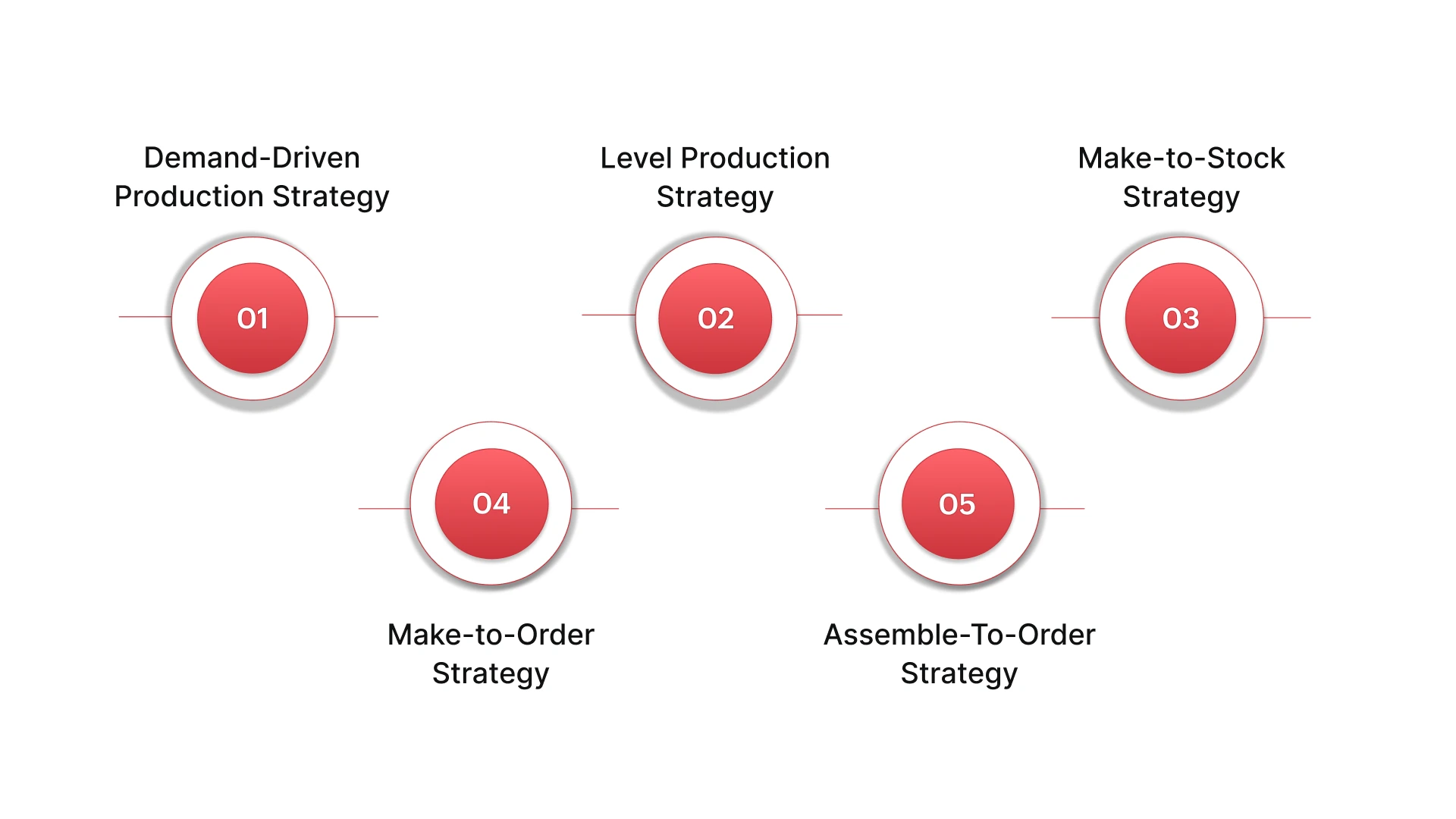
تعتمد استراتيجيات تخطيط الإنتاج على كيفية موازنة الشركة بين الطلب، والمخزون، والطاقة الإنتاجية. يساعد اختيار النهج المناسب المصنّعين على الحفاظ على إنتاج مستقر، والتحكم في مستويات المخزون، والاستجابة بسرعة لتغيرات السوق.
فيما يلي استراتيجيات عملية يمكن للشركات تطبيقها لتنظيم تخطيط الإنتاج بكفاءة:
1. استراتيجية الإنتاج حسب الطلب (Chase)
تركّز استراتيجية الإنتاج حسب الطلب على مواءمة حجم الإنتاج مباشرة مع طلب العملاء. بدلًا من الحفاظ على مستويات إنتاج ثابتة، تقوم الشركات بزيادة أو تقليل الإنتاج حسب الطلب الفعلي أو المتوقع.
كيفية التطبيق:
متى تُستخدم:
تكون مناسبة للشركات ذات الطلب المتقلب أو المنتجات قصيرة العمر مثل السلع الاستهلاكية السريعة أو المنتجات الموسمية.
2. استراتيجية الإنتاج الثابت (Level Production)
تركّز هذه الاستراتيجية على الحفاظ على معدل إنتاج ثابت بغض النظر عن تقلبات الطلب. بدلًا من تعديل الطاقة الإنتاجية باستمرار، يتم الإنتاج بمعدل ثابت مع إدارة التغير في الطلب من خلال المخزون.
كيفية التطبيق:
متى تُستخدم:
تناسب الصناعات التي تستفيد من الاستقرار التشغيلي مثل المصانع الكبيرة ذات الإنتاج المستمر.
3. استراتيجية التصنيع للتخزين (Make-to-Stock - MTS)
في هذه الاستراتيجية يتم إنتاج المنتجات مسبقًا بناءً على توقعات الطلب وتخزينها حتى يتم طلبها من العملاء.
كيفية التطبيق:
متى تُستخدم:
تصلح للمنتجات القياسية ذات الطلب المستقر مثل السلع المعبأة والإلكترونيات.
4. استراتيجية التصنيع حسب الطلب (Make-to-Order - MTO)
يبدأ الإنتاج فقط بعد استلام طلب مؤكد من العميل، مما يقلل المخزون ويسمح بالتخصيص.
كيفية التطبيق:
متى تُستخدم:
تُستخدم عادةً للمنتجات المخصصة أو عالية القيمة أو المتخصصة.
5. استراتيجية التجميع حسب الطلب (Assemble-to-Order - ATO)
تمزج هذه الاستراتيجية بين الإنتاج للتخزين والإنتاج حسب الطلب، حيث يتم تصنيع المكونات مسبقًا وتجميع المنتج النهائي بعد استلام الطلب.
كيفية التطبيق:
متى تُستخدم:
تناسب المنتجات التي تشترك في مكونات أساسية لكنها تتطلب تخصيصًا في المرحلة النهائية مثل أجهزة الكمبيوتر أو السيارات.
اقرأ أيضًا: طرق إدارة المخزون وأمثلة عليها للشركات الحديثة المعتمدة على أنظمة ERP
يتطلب تنفيذ استراتيجيات الإنتاج بفعالية بيانات دقيقة حول توقعات الطلب، ومستويات المخزون، والطاقة الإنتاجية، ونشاط الطلبات. وبدون رؤية مركزية، غالبًا ما يعتمد المصنّعون على جداول بيانات يدوية تؤدي إلى أخطاء في الجدولة واختلالات في المخزون.

تساعد منصات ERP مثل HAL ERP المصنّعين على دعم هذه الاستراتيجيات من خلال:
قامت شركة Pan Gulf Optics، وهي شركة رائدة في تصنيع العدسات في المملكة العربية السعودية، بتطبيق نظام HAL ERP لمعالجة مشكلات عدم كفاءة الطلبات، وضعف تتبع الطلبات، والفجوات في التواصل بين الأقسام.
من خلال دمج المخزون والتصنيع والمشتريات والعمليات المالية في منصة واحدة، قامت الشركة بأتمتة تتبع الطلبات وتحسين تنسيق الإنتاج. وكانت النتيجة تحقيق عائد استثمار يتجاوز 500%، وتوفير أكثر من 1 مليون ريال سعودي، والقدرة على معالجة أكثر من 1000 أمر عمل يوميًا دون تأخير.
يتيح هذا النهج المتكامل للشركات إدارة استراتيجيات إنتاج متعددة في الوقت نفسه مع الحفاظ على التحكم التشغيلي والدقة في التقارير.
يُعد تخطيط الإنتاج العامل الذي يجعل التصنيع قابلًا للتنبؤ. عندما تكون توقعات الطلب ومستويات المخزون وجداول الإنتاج متوافقة، تتمكن الشركات من تقليل التأخير، والتحكم في التكاليف، وتسليم المنتجات بشكل أكثر موثوقية.
مع توسع العمليات، يصبح إدارة تخطيط الإنتاج عبر الجداول اليدوية أمرًا صعبًا. تساعد أنظمة مثل HAL ERP المصنّعين على ربط توقعات الطلب، ورؤية المخزون، وجدولة الإنتاج في منصة واحدة، مما يمنح الفرق تحكمًا فوريًا في العمليات.
احجز عرضًا توضيحيًا مع HAL ERP لمعرفة كيف يمكن لتخطيط الإنتاج المتكامل أن يساعد عمليات التصنيع لديك على العمل بكفاءة أكبر.
1. كم مرة يجب تحديث خطة الإنتاج؟
يجب مراجعة خطط الإنتاج بانتظام، خاصة في البيئات ذات الطلب المتقلب أو اضطرابات سلاسل الإمداد. يقوم العديد من المصنّعين بتحديث خططهم أسبوعيًا أو شهريًا، بينما قد تعدّل العمليات عالية الحجم جداولها يوميًا.
2. ما دور التنبؤ بالطلب في تخطيط الإنتاج؟
يوفر التنبؤ بالطلب الأساس لتخطيط الإنتاج من خلال تقدير احتياجات العملاء المستقبلية. تساعد التوقعات الدقيقة في تحديد كمية الإنتاج وتوقيته والموارد المطلوبة.
3. كيف يؤثر تخطيط الإنتاج على مواعيد التسليم؟
يساعد تخطيط الإنتاج على جدولة عمليات التصنيع بما يتوافق مع مواعيد الطلبات، مما يقلل التأخير ويضمن أداءً موثوقًا في التسليم.
4. ما المخاطر الشائعة لسوء تخطيط الإنتاج؟
تشمل المخاطر نقص المخزون، اختناقات الإنتاج، تأخير التسليم، وزيادة التكاليف، مما يؤثر على رضا العملاء وربحية الشركة.
5. كيف يدعم تخطيط الإنتاج نمو الأعمال؟
يساعد تخطيط الإنتاج الشركات على إدارة الطلب المتزايد بكفاءة، من خلال تنسيق الموارد والجداول والمخزون، مما يتيح التوسع دون فقدان السيطرة التشغيلية.