

لم تعد سلاسل التوريد تعمل في بيئات يمكن التنبؤ بها. يتقلب الطلب بسرعة أكبر، وتتفاوت فترات توريد الموردين، وتتغير تكاليف الخدمات اللوجستية، وتستمر توقعات العملاء في الارتفاع. بالنسبة للشركات النامية، تكشف هذه الضغوط حقيقة واحدة صعبة: التنفيذ وحده لا يكفي. بدون تخطيط قوي لسلسلة التوريد، حتى العمليات المُدارة بشكل جيد تصبح تفاعلية.
عند تنفيذه بشكل صحيح، يمنع تخطيط سلسلة التوريد حدوث النقص، ويقلل من المخزون الزائد، ويعزز المرونة عبر سلسلة القيمة بأكملها.
في هذا الدليل، نشرح ما يعنيه تخطيط سلسلة التوريد فعليًا، ولماذا تفشل الأساليب التقليدية مع توسع الأعمال، والمكونات الرئيسية للتخطيط الفعّال، وكيف تدعم الأنظمة الحديثة تحقيق نتائج تخطيط أفضل.
تخطيط سلسلة التوريد هو عملية التنبؤ بالطلب، ومواءمة العرض، وتنسيق الموارد عبر المشتريات والإنتاج والمخزون والتوزيع. يهدف إلى ضمان توفر المنتجات المناسبة، بالكميات المناسبة، في الوقت المناسب، وبالتكلفة المناسبة.
على عكس التنفيذ اليومي، يركز تخطيط سلسلة التوريد على القرارات الاستشرافية، مثل:
يربط التخطيط الفعّال بين الاستراتيجية والعمليات. ويوفر نهجًا منظمًا للاستجابة لعدم اليقين بدلًا من التفاعل مع المشكلات بعد وقوعها.
غالبًا ما يُستخدم مصطلحا تخطيط سلسلة التوريد وإدارة سلسلة التوريد بالتبادل، لكنهما يشيران إلى مفاهيم مختلفة.
|
Supply Chain Planning |
Supply Chain Management |
|
|
Focus |
Forward-looking decisions |
Day-to-day execution |
|
Question it answers |
What should we do, and when? |
How do we do it, and with what? |
|
Time horizon |
Weeks, months, quarters |
Real-time and operational |
|
Key activities |
Forecasting, scheduling, and procurement planning |
Order fulfilment, logistics, supplier coordination |
إدارة سلسلة التوريد هي المحرك، بينما تخطيط سلسلة التوريد هو خريطة الطريق التي تحدد له إلى أين يتجه. ومع ذلك، قد يفشل التخطيط عندما يتوسع عملك.
تبدأ العديد من الشركات بأساليب تخطيط غير رسمية. غالبًا ما تعتمد هذه الأساليب على جداول البيانات، والمتوسطات التاريخية، والتنسيق اليدوي بين الفرق. وعلى الرغم من أنها قد تكون قابلة للاستخدام على نطاق صغير، إلا أن هذه الأساليب تواجه صعوبات مع زيادة التعقيد.
يتطور هذا الانهيار تدريجيًا، وهذا ما يجعله خطيرًا. وبحلول الوقت الذي يصبح فيه واضحًا، تكون التكاليف قد تضاعفت بالفعل. الحل هو اتباع نهج منظم للتخطيط يتوسع مع نمو أعمالك.
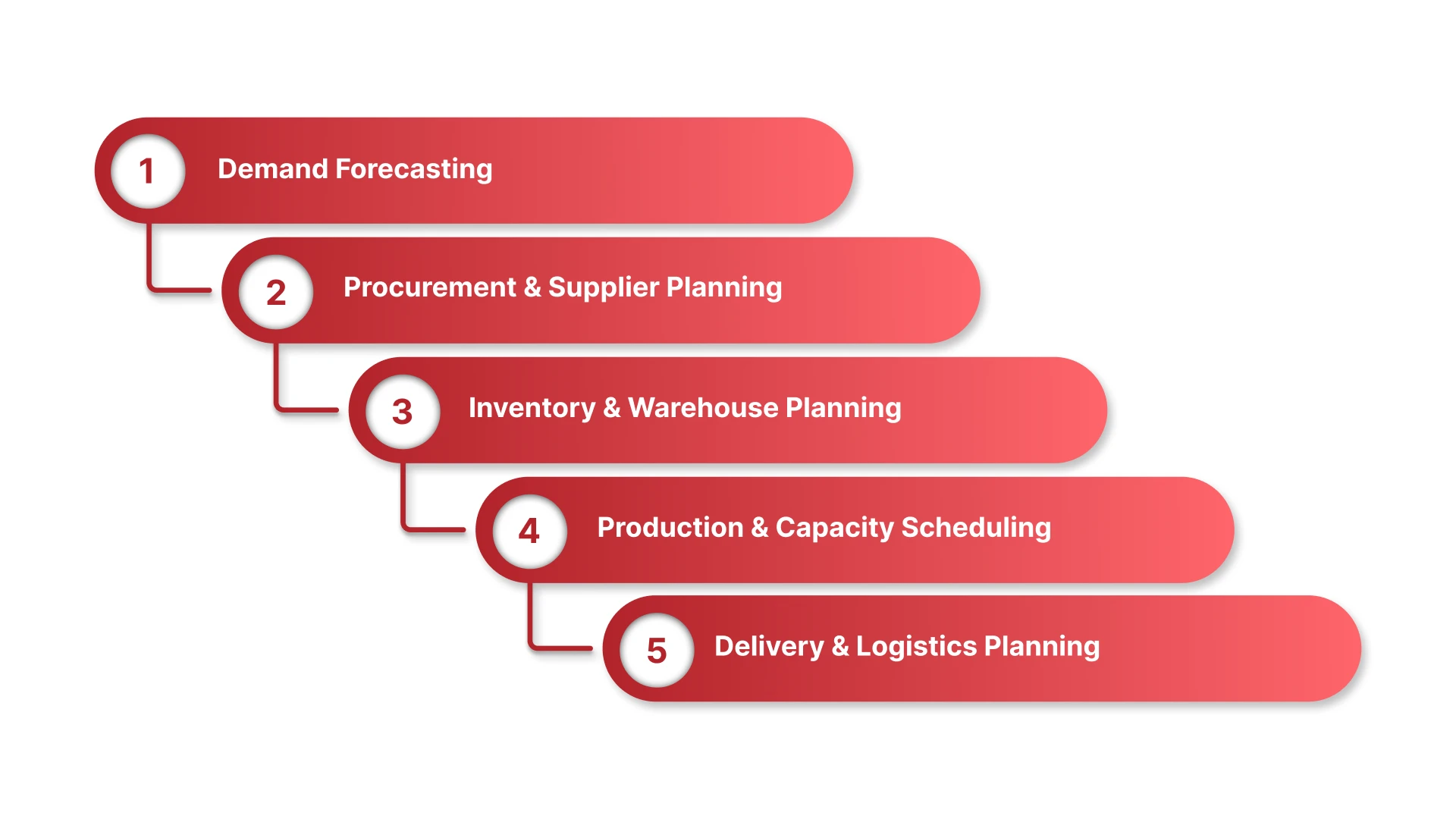
تخطيط سلسلة التوريد الفعّال ليس قرارًا واحدًا. بل هو خمسة قرارات مترابطة تُتخذ بالتسلسل، وتحدد معًا ما إذا كانت عملياتك ستعمل بكفاءة أو بشكل تفاعلي.
القرار: ما كمية احتياج العملاء ومتى؟
يستخدم التنبؤ بالطلب بيانات المبيعات التاريخية، والاتجاهات الموسمية، وإشارات السوق لتقدير الطلب المستقبلي. وهو نقطة البداية لكل ما يأتي بعده. بدون ذلك، يصبح التخطيط للمشتريات والإنتاج والمخزون قائمًا على التخمين.
ما الذي يحدث خطأ بدون نظام: تقوم الفرق بالطلب الزائد لتغطية عدم اليقين، مما يجمّد السيولة النقدية في المخزون. أو تطلب بكميات أقل من اللازم فتفقد المبيعات. اختر وحدة إدارة المخزون والمشتريات مثل HAL التي تستخدم بيانات المعاملات الفعلية لسد الفجوة بين ما تخطط له وما يحدث فعليًا.
القرار: ماذا نشتري، ومن من، ومتى يتم تقديم الطلب؟
يحوّل تخطيط المشتريات تقديرات الطلب إلى أوامر شراء، مع الأخذ في الاعتبار فترات توريد الموردين، والكميات الدنيا، وشروط الدفع، والأسعار. وتُعد موثوقية الموردين بنفس أهمية تكلفة المورد.
ما الذي يحدث خطأ بدون نظام: تصبح المشتريات الطارئة أمرًا معتادًا. تدفع الفرق أسعارًا مرتفعة لطلبات اللحظة الأخيرة، ويتضرر التدفق النقدي بسبب توقيت المدفوعات غير المناسب. استخدم وحدة مشتريات جيدة تقوم بتمركز إدارة الموردين، وتتبع فترات التوريد، وتقوم بأتمتة إنشاء أوامر الشراء.
القرار: ما كمية المخزون التي يجب الاحتفاظ بها، وأين، وبأي شكل؟
يحدد تخطيط المخزون مستويات المخزون الاحتياطي، ونقاط إعادة الطلب، وتوزيع المخزون عبر المواقع أو المشاريع. يقع هذا التخطيط مباشرة بين العرض والطلب، وسوء إدارته يعد من أكثر مصادر التكاليف الخفية شيوعًا.
ما الذي يحدث خطأ بدون نظام: يتراكم المخزون في المواقع الخاطئة، ولا يتم تتبع تواريخ الانتهاء، وتتزايد عمليات الشطب بشكل غير ملحوظ. توفر وحدة المخزون من HAL رؤية لحظية عبر جميع المواقع، وتتابع تواريخ الانتهاء والأرقام التسلسلية، وتُنبّه إلى نقاط إعادة الطلب قبل ظهور المشكلات.
القرار: متى ننتج، وبأي كمية، وبأي موارد؟
بالنسبة للمصنّعين، يحوّل تخطيط الإنتاج جداول الطلب والمشتريات إلى أهداف إنتاجية، مع تحقيق توازن بين الطاقة الإنتاجية للآلات، والعمالة، والمواد، دون التسبب في وقت توقف أو اختناقات.
ما الذي يحدث خطأ بدون نظام: تؤدي نقص المواد إلى توقف الإنتاج في منتصف التشغيل، وترتفع تكاليف العمل الإضافي بشكل مفاجئ. يمكنك اختيار وحدة التصنيع من HAL، التي تربط تخطيط قائمة المواد (BOM) بجدولة الإنتاج، بحيث ترى الفرق بدقة ما هو مطلوب وما هو متوفر قبل بدء التشغيل.
القرار: كيف تصل البضائع أو الخدمات إلى العميل في الوقت المحدد؟
تربط المرحلة الأخيرة كل ما سبق بالتسليم الموثوق. بالنسبة لشركات المنتجات، يعني ذلك التجهيز، والتغليف، والشحن. أما شركات المقاولات، فيعني ذلك تنسيق تسليم المواد إلى مواقع المشاريع في الجدول الزمني الصحيح، وليس متأخرًا بيوم واحد.
ما الذي يحدث خطأ بدون نظام: تتأخر عمليات التسليم، وتصل الطلبات بشكل غير مكتمل، وتتأخر الجداول الزمنية للمشاريع، لأن الخدمات اللوجستية لم تكن مرتبطة بخطة العمل. تحتاج إلى مخزون المشاريع وقدرات تنفيذ الطلبات التي تربط تخطيط التسليم مباشرة بالمخزون والمشتريات.
اقرأ أيضًا: طرق إدارة المخزون وأمثلة للشركات الحديثة المعتمدة على أنظمة ERP
مع وجود صورة واضحة لكيفية عمل تخطيط سلسلة التوريد، يصبح السؤال التالي: كيف تعرف ما إذا كانت الخطة تعمل بالفعل؟

الرؤية دون مؤشرات قياس ليست سوى ضوضاء. تمنح هذه المؤشرات الثمانية أصحاب الأعمال والرؤساء التنفيذيين والمديرين الماليين قراءة واضحة لصحة سلسلة التوريد وأماكن تسرب الأموال بصمت.
|
KPI |
What It Signals |
|
Inventory Turnover Ratio |
Low turnover = excess stock tying up cash |
|
Days Inventory Outstanding (DIO) |
High DIO = slow-moving stock risk |
|
Supplier On-Time Delivery Rate |
Below 85% signals supplier reliability risk |
|
Perfect Order Rate |
Measures end-to-end supply chain reliability |
|
Supply Chain Cycle Time |
Longer cycles reveal operational bottlenecks |
|
GMROI |
Below 1.0 means the inventory is not paying for itself |
|
Stockout Rate |
A high rate means lost revenue and customer attrition |
|
Procurement Cost as % of Revenue |
A rising ratio signals inefficiency or price pressure |
قم بمراجعتها شهريًا. إذا كان ثلاثة أو أكثر منها يتجه في الاتجاه الخاطئ في الوقت نفسه، فإن عملية تخطيط سلسلة التوريد لديك تحتاج إلى اهتمام.
اقرأ أيضًا: دليل معدل دوران المخزون للشركات السعودية (2026)
ومع ذلك، تحتاج أيضًا إلى الانتباه إلى بعض الأخطاء الشائعة.
حتى الشركات ذات النوايا الجيدة ترتكب الأخطاء نفسها المتوقعة. إدراكها هو الخطوة الأولى لتصحيحها.
هذه الأخطاء شائعة على وجه التحديد لأنها لا تُعلن عن نفسها. بل تتراكم بصمت حتى تظهر في القوائم المالية للتدفق النقدي، أو شكاوى العملاء، أو نتائج التدقيق.
إدارة المراحل الخمس للتخطيط عبر أنظمة غير مترابطة هي النقطة التي تفقد فيها معظم الشركات السعودية النامية السيطرة. تستخدم الفرق أدوات مختلفة، وتوجد البيانات في أماكن منفصلة، ويتم اتخاذ القرارات دون رؤية مشتركة لما يحدث فعليًا.
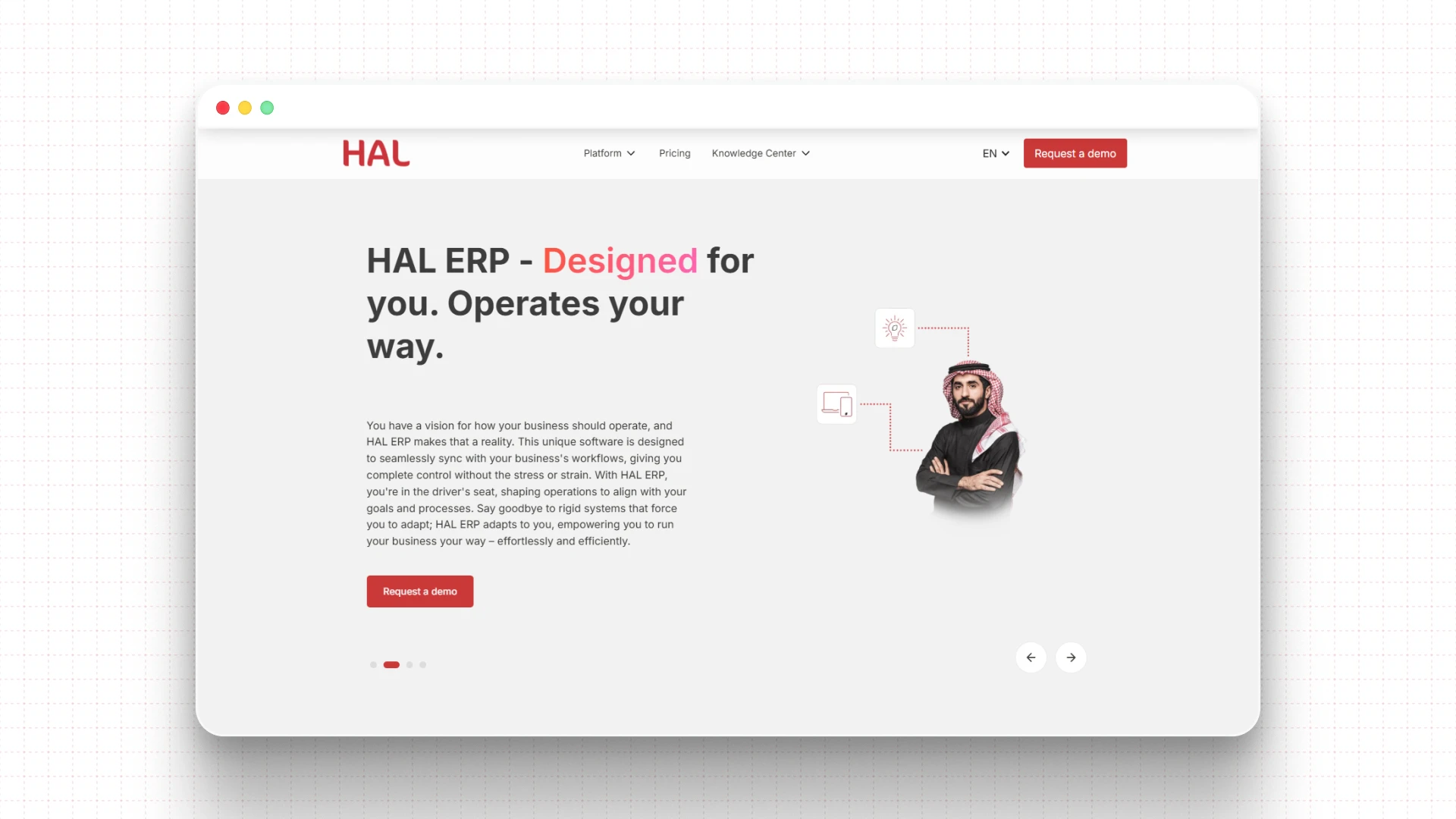
يربط نظام HAL ERP كل مرحلة من مراحل تخطيط سلسلة التوريد في منصة واحدة، مصممة لطريقة عمل الشركات السعودية.
سواء كنت تدير شركة مقاولات، أو سلسلة تجزئة، أو شركة تجارية، أو منشأة تصنيع، يوفّر لك HAL مكانًا واحدًا لتخطيط العمليات وتنفيذها وإعداد التقارير.
جاش هولدينغ، وهي شركة رائدة في إدارة المرافق في المملكة العربية السعودية، كانت تدير أكثر من 4,000 موظف عبر مواقع عمل متعددة، لكنها كانت تواجه صعوبة في تعقيد التخطيط الناتج عن التوسع.
كانت التحديات من النوع الذي تتعرّف عليه العديد من الشركات النامية:
وبالتالي، كانت التكاليف تتراكم دون أن يرى أحد الصورة الكاملة.
بعد تطبيق نظام HAL ERP، حصلت جاش على رؤية لحظية لتكاليف المشاريع، واستخدام القوى العاملة، وإنفاق المشتريات عبر جميع الشركات التابعة، من منصة واحدة. واستبدلت الفوترة الآلية بين الشركات ساعات من التسويات اليدوية. كما أتاح تتبع ميزانيات المشاريع على مستوى دقيق للإدارة اتخاذ قرارات أسرع وأكثر ثقة.
النتيجة:
عندما تكون البنية التحتية المناسبة للتخطيط موجودة، فإن الوفورات لا تكون هامشية؛ بل تكون هيكلية.
تخطيط سلسلة التوريد ليس وظيفة خلفية. بل هو رافعة استراتيجية. بالنسبة للشركات السعودية النامية، يظهر الفرق بين سلسلة توريد مخططة وأخرى تفاعلية بشكل مباشر في الهوامش الربحية، ورضا العملاء، والتدفق النقدي.
الشركات التي تنجح في ذلك تبني عمليات تخطيط منظمة، وتتابع المؤشرات الصحيحة، وتستخدم أنظمة تربط المشتريات، والمخزون، والإنتاج، والخدمات اللوجستية في مكان واحد.
تم بناء نظام HAL ERP خصيصًا لذلك، للشركات السعودية التي تنمو بسرعة وتحتاج إلى أن تنمو عملياتها معها.
شاهد كيف يمكن لـ HAL أن يعمل لصالح أعمالك. اطلب عرضًا توضيحيًا →
تتولى إدارة الخدمات اللوجستية التعامل مع الحركة الفعلية للبضائع، والنقل، والتخزين، والتسليم. بينما يحدد تخطيط سلسلة التوريد ماذا يتم نقله، وبأي كمية، ومتى، قبل تدخل الخدمات اللوجستية أصلًا. وغالبًا ما تعني اللوجستيات الجيدة دون تخطيط جيد نقل الأشياء الخاطئة بكفاءة.
بالنسبة لمعظم الشركات الصغيرة والمتوسطة، يُعد المراجعة الشهرية للتخطيط الحد الأدنى. أما الشركات ذات تقلب الطلب المرتفع، مثل التجزئة خلال رمضان أو الحج، أو شركات المقاولات التي تدير عدة مشاريع نشطة، فتستفيد من التحديثات الأسبوعية. يجب أن تكون الخطة وثيقة حية وليست ممارسة ربع سنوية.
تؤثر المرحلة الثانية من ZATCA على كيفية إنشاء فواتير الموردين، وإرسالها، وتخزينها. الشركات التي تدمج الامتثال داخل سير عمل المشتريات بدلًا من إدارته بشكل منفصل تقلل الازدواجية، وتسرّع معالجة الفواتير، وتتجنب أخطاء التسوية في نهاية الشهر.
نعم، وربما أكثر من الشركات الكبيرة. تمتلك الشركات الكبيرة احتياطات مالية تمتص أخطاء التخطيط، بينما لا تملكها الشركات الصغيرة. نقص المخزون أو أوامر الشراء الطارئة يؤثر على شركة من 20 موظفًا أكثر بكثير من شركة من 500 موظف.
ابدأ بتدقيق أساسي: احسب عدد حالات نفاد المخزون شهريًا، واحسب متوسط مدة توريد الموردين، وحدد أكبر خمسة موردين من حيث الإنفاق. تكشف هذه النقاط الثلاث أين يكون التخطيط أضعف، وأين سيكون التحسين أسرع تأثيرًا.